
S F Marble & Granite

Marble and Granite

Greek Thassos White Marble

Greek Thassos White Marble: Timeless Elegance and Luxury for Lowell Homes

Home Greek Thassos White Marble: Timeless Elegance and Luxury for Lowell Homes Greek Thassos White Marble is renowned worldwide for its pure, brilliant whiteness and unmatched luxury. Quarried exclusively from the Greek island of Thassos, this marble has been prized since ancient times for its dazzling appearance and durability. For homeowners and contractors in Lowell, MA, SF Marble & Granite Inc. offers expert sourcing, fabrication, and installation of Greek Thassos White Marble, transforming kitchens, bathrooms, floors, and walls into stunning, luminous spaces. The Rich Heritage of Greek Thassos White Marble Origins on the Greek Island of Thassos Greek Thassos White Marble is quarried from one of the oldest marble quarries in the world, located on the island of Thassos in the Aegean Sea. This marble is celebrated as the purest and whitest marble globally, composed of 99.9% calcium carbonate with a crystalline structure that reflects light like crushed diamonds. Unlike marbles with veining, Thassos white Greek marble offers a consistent, snow-white surface that has been used since the 7th century BC in iconic sculptures and architecture, including the Parthenon and ancient Roman buildings. Historical and Architectural Significance This Greek white Thassos marble’s density and brilliance made it a favorite among ancient builders and artists. Its ability to reflect natural light brightened interiors before artificial lighting existed. Today, it remains a top choice for architects and designers aiming to create luxurious, timeless spaces in both residential and commercial projects. What Makes Thassos White Greek Marble Unique? Visual and Aesthetic Qualities Technical Strengths for Lowell’s Climate Popular Applications of Greek Thassos White Marble in Lowell Luxurious Kitchen Countertops and Backsplashes SF Marble & Granite Inc. expertly fabricates Greek Thassos marble into elegant countertops featuring waterfall edges, integrated backsplashes, and heat-resistant zones near stoves. These installations combine beauty with functionality, enhancing the heart of any home. Stunning Flooring Solutions Large-format Thassos marble tiles (such as 12×12 or 24×48 inches) create seamless, expansive floors that reflect light and visually enlarge spaces. Honed or textured finishes provide slip resistance for entryways, pool surrounds, and high-traffic areas. Architectural and Decorative Accents From floor-to-ceiling wall cladding to fireplace surrounds and outdoor kitchens, Greek Thassos marble adds sophistication and durability. Its UV-resistant sealants prevent yellowing in sunlight, making it suitable for both indoor and outdoor applications. Greek Thassos Marble Tiles: Versatile and Elegant Greek Thassos marble tiles are a popular choice for homeowners seeking timeless elegance. Available in polished or honed finishes, these tiles work beautifully as flooring, backsplashes, shower surrounds, and accent walls. Their subtle crystalline shimmer and pure white tone complement both classic and contemporary interiors, adding value and style. Greek Thassos White Marble vs. Other White Marbles Feature Greek Thassos White Marble Carrara Marble Calacatta Gold Whiteness Index 99.9% 89% 78% Veining None Subtle grey veining Bold gold veining Maintenance Frequency Bi-annual Quarterly Monthly Cost per sq.ft (Installed) $145-$210 $95-$150 $175-$300 Greek Thassos marble stands out for its pure whiteness and minimal maintenance needs, making it a premium choice for luxury projects. How SF Marble & Granite Inc. Brings Greek Thassos Marble to Lowell Selecting the Perfect Slab SF Marble & Granite Inc. uses advanced digital imaging to match veining and patterns for large installations, ensuring seamless beauty. Samples are tested under simulated home lighting to guarantee the perfect shade of white. Customers can choose from over 14 edge profiles, from classic eased to dramatic bullnose, tailored to their style. Expert Fabrication and Installation Our on-site CNC machinery enables precise cuts and minimal seams (≤1mm), while substrate preparation ensures a flat, stable base. Post-installation, we allow a 72-hour curing period under controlled conditions to secure flawless results. Maintenance and Care Guidance We advise cleaning with pH-neutral soaps and immediate blotting of spills to preserve the marble’s pristine look. Sealing every 24 months and occasional polishing with diamond abrasives maintain its radiant finish for decades. Why Choose SF Marble & Granite Inc. for Your Greek Thassos Marble Project? Bring Greek Thassos Brilliance Underfoot After marveling at Greek Thassos White Marble’s luminous charm in our recent blog, imagine that same crystal‑bright glow across every step you take. With our Marble Floor Installation in Lowell, SF Marble & Granite Inc. makes it effortless to transform dull floors into gleaming, airy spaces that feel both warm and endlessly elegant. Conclusion From its snowy 99.9% calcium carbonate purity to its enduring hardness and luminous crystalline sheen, Greek Thassos White Marble remains the gold standard for timeless elegance in any Lowell home. Its low porosity and natural frost resistance ensure your investment stands up to New England’s seasonal swings with minimal upkeep. With SF Marble & Granite Inc.’s precision fabrication and installation expertise, bringing that signature Thassos brilliance to your floors, walls, and countertops has never been easier or more reliable. Contact us today! FAQs Will Greek Thassos White Marble yellow over time?When properly sealed and maintained, Thassos marble retains its brilliant white color indefinitely. UV-resistant sealants prevent discoloration from sunlight exposure. Is Greek Thassos marble suitable for bathroom vanities?Yes. Its low porosity and durability make it ideal for wet areas, especially with a honed finish to reduce slipperiness. How does the cost compare to quartz surfaces?Thassos marble is typically 20-30% more expensive than premium quartz but offers unmatched natural beauty, prestige, and longevity.

Greek Thassos White Marble: Timeless Elegance and Luxury for Lowell Homes Read More »

Nero Portoro Marble

Nero Portoro Marble: A Guide for Luxury Interior Design

Home Nero Portoro Marble: A Guide for Luxury Interior Design Nero Portoro Marble has an awe-inspiring geological history that dates back nearly 200 million years. This luxurious stone formed during the Jurassic period in Italy’s Liguria region, where layers of sediment rich in minerals transformed under intense heat and pressure. Extracted near the coastal town of Portovenere, marble Portoro bears witness to ancient artistry used in Roman roads and imperial buildings. The name “Porto Nero” reflects its striking deep black base that is enhanced by luminous golden veins, a feature celebrated for centuries. Its rich, historic journey makes Nero marble a prized choice for elegant, modern interiors, truly timeless craftsmanship. In this article, we discuss the captivating formation, design applications, and enduring allure of Nero Portoro Marble while providing practical insights for luxurious interior design. Aesthetic and Physical Properties Nero Portoro Marble is celebrated for its unique and captivating appearance. This stone boasts a deep, jet-black base accentuated by vivid golden veins. Whether you refer to it as marble portoro or nero portoro, its natural patterns make every slab one-of-a-kind. The stone’s finish options from a glossy polished look that reflects light beautifully to a more subdued honed or leathered surface allow designers creative flexibility. These natural characteristics add warmth and sophistication to any interior. The interplay of light on its surface and the texture of the stone instantly elevate spaces, making it a favorite among architects and homeowners seeking luxury and character. Durability and Technical Specifications Following are the durability and technical specifications of Nero Portoro Marble: Strength and Stability: Technical Benefits: Applications in Modern Interior Design Following are the applications used in modern interior design: Countertops and Backsplashes Nero Portoro Marble’s robust surface and natural stain resistance make it ideal for kitchen countertops. When used for backsplashes, the stone’s reflective golden veins create an inviting atmosphere. Designers often choose bookmatched arrangements of marble portoro to add visual continuity and a luxurious feel to kitchens. Flooring and Wall Cladding Large-format tiles of nero portoro create seamless flooring with minimal grout lines. When used on walls or as cladding in bathrooms and entryways, its dramatic veining and deep color instantly infuse spaces with sophistication. Ambient lighting further enhances its natural beauty. Statement Pieces and Accents For truly breathtaking interiors, use Nero Portoro as feature walls, fireplace surrounds, or even custom furniture pieces. Its bold character and natural artistry effortlessly blend with neutral color schemes and metallic accents, making it a perfect accent stone in any luxury project. Cost Considerations and Market Availability Here are the cost considerations and market availability of Nero Portoro Marble: Pricing Factors Nero Portoro Marble is one of the world’s premium stones. Prices can range from $200 to $500 per square foot, influenced by quarry availability, the labor-intensive extraction process, and the stone’s limited supply. The uniqueness of each slab justifies its cost, especially for projects that value elegance and timeless design. Local Availability in Lowell, MA Even though this exquisite marble is imported, local fabricators like SF Marble & Granite Inc. ensure efficient custom cutting and installation services. Lowell homeowners can view samples of marble portoro and discuss design options that guarantee consistency in color and unique vein patterns. Maintenance and Care Guidelines To maintain the Nero Portoro Marble, use the following guidelines: Sealing and Cleaning To maintain its stunning appearance, seal Nero Portoro Marble annually with a high-quality penetrating sealer. Regular cleaning with a pH-neutral cleaner prevents etching and preserves the natural finish. For both kitchen and high-traffic areas, prompt spill cleanup is essential to avoid staining. Repair and Restoration Minor scratches on this luxe stone can be polished out using diamond abrasive pads. In cases of deeper chips or damage, specialized epoxy resins matched to the stone’s hue can restore its beauty. Avoid using abrasive cleaning agents or vinegar-based solutions that could damage the surface. Elevate Your Interiors with Precision Marble Flooring Experience the exquisite charm of Nero Portoro Marble on your floors through our professional Marble Floor Installation in Lowell service. At SF Marble & Granite Inc., we bring you the same luxurious heritage and attention to detail found in our recent blog on Nero Portoro Marble. Our skilled team ensures that every installation not only enhances the beauty of your space but also delivers lasting durability and elegance. Let us transform your interiors into a statement of timeless sophistication with craftsmanship you can trust. Contact us today! Conclusion  Nero Portoro Marble is a symbol of luxury, innovation, and rich history. Its unique blend of deep black hues and golden veins makes it a standout choice for high-end kitchens, elegant bathrooms, and impressive feature walls. By combining ancient craft with modern expertise, marble portoro transforms ordinary spaces into artful, sophisticated designs. For homeowners in Lowell seeking exceptional quality and expert installation, SF Marble & Granite Inc. offers personalized consultations. Choose Nero Portoro Marble to create living spaces that are both timeless and brilliantly modern. FAQs What makes Nero Portoro Marble so special?Its unique geological formation, striking appearance with golden veins, and historical significance make it a luxury stone that adds unmatched elegance to any interior. How should I care for my Nero Portoro Marble surfaces?Regular sealing, gentle cleaning with pH-neutral products, and prompt spill removal are key to keeping the stone pristine and ensuring long-lasting beauty. Is Nero Portoro Marble suitable for high-traffic areas?Yes, with its high compressive strength and low water absorption, it is perfect for countertops, flooring, and other busy areas when properly maintained. Where can I find authentic Nero Portoro Marble in Lowell, MA?SF Marble & Granite Inc. is a trusted local source that offers custom cutting, installation services, and expert consultations to match your design vision.

Nero Portoro Marble: A Guide for Luxury Interior Design Read More »

Onion Skin Mica Marble

Onion Skin Mica Marble: Unlock Rarity, Value, and Collecting Secrets

Home Onion Skin Mica Marble: Unlock Rarity, Value, and Collecting Secrets Onion Skin Mica Marbles represent a pinnacle of antique glass craftsmanship, combining intricate “onion skin” patterning with shimmering mica flakes. These marbles, primarily produced in 19th-century Germany, are prized for their visual complexity and historical significance. This guide synthesizes technical specifications, market trends, and collecting strategies while introducing novel insights into glass chemistry, authentication methods, and preservation techniques. Defining the Onion Skin Mica Marble Onion Skin Mica Marbles are a rare form of handmade glass art celebrated for their unique, layered appearance and historical charm. These marbles feature a clear or colored glass base with delicate mica flakes embedded during a hand-rolling process, creating natural “skin” patterns that captivate collectors. The mica, a potassium-aluminum silicate, is crucial in producing the sparkling, almost “marbly skin” effect that sets these objects apart. Originating from 19th-century German workshops, these pieces combined art with science, and their antique marble values have only grown over time as enthusiasts treasure their rarity and intricate beauty. Technical Classification System The technical classification of onion skin marbles helps collectors and enthusiasts understand their unique qualities. A new grading system based on mica distribution divides these marbles into three main grades: Read the given table to understand easily: Grade Mica Density Flake Size Distribution Pattern A1 50+ flakes/mm² 0.1-0.3mm Uniform dispersion B2 20-49 flakes/mm² 0.4-0.7mm Radial clusters C3 <20 flakes/mm² >0.8mm Surface-concentrated Additionally, pattern variants add another layer of detail. For example, Blizzard Onionskins exhibit thick layers of mica that obscure the base color, while Panelled Onionskins show quadrant-based color patterns. Lobed Micas have 3 to 18 pressure-formed lobes, creating directional mica alignments. This simple yet comprehensive classification system makes it easier to appreciate the beauty of every skin marble, ensuring even newcomers can understand their marbly skin details. Value Determinants and Market Analysis Understanding the market value of onion skin mica marbles combines both art and science. Collectors rely on a quantitative pricing model that considers several factors: Quantitative Pricing ModelThe value is calculated using the formula: Value = (BaseRarity × Size²) + (MicaScore × ColorBonus) + ConditionModifier   Here, a BaseRarity rating (1-10) reflects the marble’s uniqueness an essential aspect of its antique marble values. The MicaScore is determined by the grading (A1, B2, or C3), while the ColorBonus rewards unique combinations such as red/white/blue hues. For instance, a 40mm Grade A1 marble in Wet Mint condition might command a market value in the range of several thousand dollars. Thermal Stability Considerations The technical properties of mica also affect pricing. Anisotropic thermal expansion in these marbles means that even a small temperature change can impact the structure. Collectors are advised to store their pieces at stable temperatures (18–22°C) with proper humidity levels and UV-filtered lighting to protect against differential expansion. This balanced approach between science and art further underscores the lasting appeal of onion skin marbles. Advanced Authentication Techniques Following are the advanced authentication techniques for the Onion Skin Mica Marble: Spectroscopy Profiling Modern collectors and experts use spectroscopy to confirm authenticity. True pre-1920 onion skin marbles display signature sodium emission lines at 589nm and subtle iron(III) absorption bands between 380–450nm, which indicate the historic crucible processes of early German artisans. Microtopography Analysis Microscopic evaluation reveals the natural marks left during manufacture. Authentic marbles exhibit pontil marks with surface pitting between 50–100µm as well as radial stress fractures at characteristic 15–30° angles. These advanced techniques, including faceted pontil mark microscopy, provide a reliable way to differentiate genuine specimens from reproductions, ensuring that collectors are investing in genuine pieces. Preservation and Restoration Protocols Given are the preservation and restoration protocols for Onion Skin Mica Marble: Surface Stabilization Maintaining the integrity of these delicate pieces is vital. For high-grade specimens, a thin cellulose nitrate lacquer (around 0.5µm) is often applied to stabilize the surface. This treatment, followed by curing under a nitrogen atmosphere for 48 hours and a gentle polish using cerium oxide, can preserve the fine details of the marbly skin. Mica Reorientation Technique In cases where mica flecks have shifted, modern preservation methods involve applying controlled static fields (typically between 5–10kV/cm). This reorientation helps realign the displaced flakes without the need for disassembly, ensuring that the intricate onion skin pattern remains intact for future collectors and museums alike. Emerging Market Trends (2025 Outlook) The market for onion skin mica marbles is evolving, with new trends adding to their allure. Recent developments include: These market trends not only broaden the audience for antique marbles but also introduce innovative methods of authentication and value preservation. Bringing Artistry to Your Floors Just as the intricate layers of an onion skin mica marble capture the eye with refined detail, our expert team at SF Marble & Granite Inc. infuses that same level of craftsmanship into every project. Experience our exceptional Marble Floor Installation in Lowell service to transform your space into a stunning, artful environment that celebrates both natural beauty and timeless quality. Contact us now! Conclusion Onion Skin Mica Marbles uniquely blend 19th‐century artisanal skill with innovative glass-making techniques to create collectible treasures with deep historical and aesthetic value. Their distinct layered appearance enhanced by shimmering mica flakes illustrates both the precision of early German craftsmanship and the ongoing evolution in marble authentication and preservation. By establishing clear grading systems and advanced restoration methods, collectors can appreciate every subtle variation in quality and rarity. As emerging market trends continue to shape their value, these marbles remain a cherished intersection of art, history, and science for both seasoned enthusiasts and newcomers alike. FAQs What are onion skin mica marbles?They are handmade glass marbles characterized by a delicate, layered “onion skin” pattern combined with embedded mica flakes, giving them a sparkling, marbly appearance and historical significance. How are they made?Traditional German artisans created these marbles by gathering molten glass and carefully incorporating mica flakes and colored glass strands through a hand-rolling process that forms concentric layers and distinctive patterns. Why is mica important in these marbles?Mica, a natural silicate mineral, adds

Onion Skin Mica Marble: Unlock Rarity, Value, and Collecting Secrets Read More »

How to finish tile backsplash edges?

How to Finish Tile Backsplash Edges? Expert Tips for a Polished Kitchen

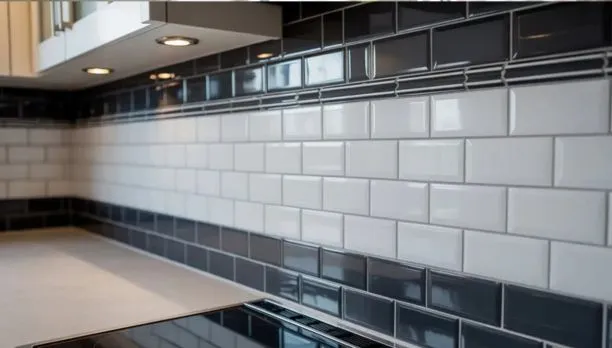
Home How to Finish Tile Backsplash Edges? Expert Tips for a Polished Kitchen The perfect backsplash can transform your kitchen from ordinary to extraordinary, but many homeowners overlook one crucial detail: the edges. How you finish your tile backsplash edges can make or break your kitchen’s overall aesthetic. Whether you opt for sleek metal profiles, classic bullnose tiles, or creative tile backsplash edge treatments, these finishing touches provide both visual appeal and practical protection. The right backsplash trim not only conceals rough tile edges but also creates a polished, professional look that elevates your entire kitchen design. In this comprehensive guide, we’ll explore various backsplash tile edge trim options to help you achieve that perfect finishing touch for your kitchen renovation. Understanding Design Styles and Edge Pairings Selecting the right tile edge backsplash finish depends largely on your kitchen’s overall design aesthetic. Modern kitchens with clean lines often benefit from sleek metal tile backsplash edge treatments, while traditional spaces may call for classic bullnose edges. Rustic kitchens shine with wooden trim accents that add warmth and character. The key is harmony—your backsplash trim should complement existing elements like cabinetry, countertops, and fixtures. For example, a farmhouse kitchen with shaker cabinets pairs beautifully with simple ceramic tile edges, while contemporary spaces with quartz countertops might call for minimalist backsplash tile trim solutions that create clean, uninterrupted lines. Bullnose Edges: The Timeless Tradition Bullnose edges represent one of the most classic approaches to finishing tile backsplash edges. These specially manufactured tiles feature one rounded edge that creates a smooth, finished look perfect for traditional and transitional kitchens. When selecting bullnose tiles for your backsplash tile edge trim, consider matching them precisely to your backsplash tiles for a cohesive appearance. Bullnose edges work particularly well with ceramic and porcelain tiles, offering a clean solution for backsplash trim tile needs. For best results, choose bullnose pieces in the exact same color and material as your main backsplash to ensure seamless integration. Many tile manufacturers produce coordinating bullnose pieces specifically designed to match their tile collections. Design tip: For a more distinctive look, consider contrasting bullnose edges in a complementary color that picks up accent tones from elsewhere in your kitchen. This approach to tile edge backsplash finishing can create subtle visual interest without overwhelming the space. Metal Edges: Sleek and Contemporary Metal profiles offer a modern solution for finishing tile backsplash edges with sleek, clean lines. These backsplash tile trim pieces not only protect tile edges from chips and damage but also create striking visual borders that can define your backsplash area with contemporary flair. When selecting metal tile edge backsplash treatments, consider how they’ll coordinate with your kitchen’s hardware and appliances. Stainless steel profiles complement modern kitchens with similar-finished appliances, while brushed nickel or chrome options offer versatility across design styles. For warmer kitchens, consider copper or bronze metal backsplash trim tile options that add rich, inviting tones. The profile shape matters too—straight metal edges create minimalist, crisp lines, while slightly curved profiles offer a softer transition. These metal edge solutions have become increasingly popular for their durability and ability to create clean, professional-looking transitions between backsplash and counter surfaces or at exposed edges. Pencil Trim: Adding a Touch of Elegance Pencil trim provides a refined option for finishing tile backsplash edges with a touch of sophisticated detail. These slender, cylindrical tiles—typically measuring about half an inch in diameter—create elegant borders around your backsplash tile edge areas. Available in ceramic, porcelain, glass, and natural stone, pencil trim offers versatile backsplash trim tile options for various design aesthetics. In traditional kitchens, ceramic pencil trim in complementary colors can frame subway tile backsplashes beautifully. For more contemporary spaces, glass pencil trim adds a subtle gleam to tile edge backsplash areas while creating visual separation between different materials or colors. Creative combinations can elevate your design further—try pairing pencil trim with decorative tile inserts for custom tile backsplash edge treatments that reflect your personal style. For instance, a marble pencil trim can elegantly frame a mosaic accent strip, adding dimension and interest to your backsplash while providing a finished look at edges and transitions. Glazed-Edge Tiles: Minimalist Chic Glazed-edge tiles offer a modern, streamlined approach to finishing tile backsplash edges without additional trim pieces. These specialty tiles feature glazed edges on one or more sides, eliminating the need for separate backsplash tile edge trim by creating a finished appearance on their own. This minimalist approach works beautifully in contemporary kitchens where clean lines and uninterrupted surfaces are prized. The glazed edges create a cohesive look that flows seamlessly, particularly effective with monochromatic color schemes or when using large-format tiles. When selecting glazed-edge tiles for your backsplash trim tile solution, consider color palettes that complement rather than contrast with your countertops. Soft whites, creams, and light grays offer timeless appeal, while deeper blues, greens, or blacks can create dramatic focal points. For visual interest without additional trim, consider arranging glazed-edge tiles in herringbone, stacked, or other geometric patterns that showcase the clean edges as part of the overall design aesthetic. Caulked Edges: Seamless Integration For a minimalist approach to tile backsplash edge finishing, properly applied caulk creates a clean, seamless transition that’s both practical and visually appealing. This technique works particularly well when your backsplash meets painted walls or when you want to minimize visual transitions in contemporary kitchen designs. The key to successful caulked tile edge backsplash finishing lies in selecting the right caulk color. For a truly seamless look, choose caulk that precisely matches your grout color. Alternatively, match your caulk to the wall color where the backsplash trim tile would typically go for an uninterrupted visual flow. Apply caulk with precision along exposed backsplash tile edges using a caulk gun with a smooth, steady motion. After application, immediately smooth the bead with a damp finger or specialized caulk tool before it sets. This simple backsplash trim approach requires minimal materials while delivering a clean, professional finish that works particularly well in modern kitchen

How to Finish Tile Backsplash Edges? Expert Tips for a Polished Kitchen Read More »

How to Install Vanity Backsplash?

How to Install a Vanity Backsplash? Protect & Elevate Your Bathroom’s Style

Home How to Install a Vanity Backsplash? Protect & Elevate Your Bathroom’s Style A vanity backsplash is more than just a pretty addition; it’s a shield for your walls and a style statement for your bathroom. For Lowell homeowners deeply invested in bathroom remodeling, installing a bathroom vanity backsplash not only guards against water damage but also enhances the overall aesthetic. Whether you’re upgrading your space or building from scratch, a well-chosen backsplash completes the look. Why Install a Vanity Backsplash? Adding a vanity backsplash brings numerous benefits to your bathroom. First and foremost, it offers excellent wall protection, preventing costly water damage to drywall and paint from constant sink splashes. Beyond functionality, a backsplash offers stunning design enhancement, introducing texture and color to complement your granite or marble countertops. For Lowell residents looking to increase their home value, a bathroom upgrade with a stylish backsplash offers a solid ROI in the local housing market. Plus, you’ll enjoy easy maintenance, as backsplashes are far simpler to clean than painted walls. Step-by-Step Guide Ready to get your hands dirty? Here’s a simplified guide on how to install a vanity backsplash. Start by gathering your essential tools and materials. Tools & Materials Needed Design Integration: Matching Backsplashes with Countertops One element that truly sets a bathroom apart is how well the backsplash integrates with the countertop. You see, pairing your backsplash with the right countertop material ensures a cohesive and luxurious look, so let’s explore some winning design pairings. Granite Countertops For those in Lowell who adore the robust elegance of granite countertops, consider pairing them with classic subway tiles or the unique texture of leathered granite slabs. Marble Countertops If luxury is your aim, nothing beats the sophistication of marble countertops. Quartz Countertops Quartz countertops offer a sleek, modern aesthetic, providing a versatile canvas for various backsplash styles. Common Mistakes to Avoid When undertaking a vanity backsplash installation, there are common pitfalls that can undermine the quality and longevity of your project.  Maintenance Tips for Longevity To keep your vanity with tile backsplash looking as good as new, consistent maintenance is key. Here are some simple yet effective practices. Professional vs. DIY Installation Deciding between a DIY approach and hiring a professional can depend on several factors, including your comfort level, the complexity of the project, and local conditions. Here’s what to consider.  Why Choose SF Marble & Granite for Your Backsplash Project? When it comes to transforming your bathroom with a stunning Backsplash Installation in Lowell, SF Marble & Granite is your premier choice. We bring expertise, quality, and a personalized touch to every project. Conclusion Installing a vanity backsplash is a straightforward way to protect your bathroom walls while adding a touch of elegance and increasing your home’s appeal. Whether you choose to tackle it as a DIY project or opt for professional assistance from SF Marble & Granite, the key is careful planning, quality materials, and attention to detail. With the right approach, your bathroom vanity will not only look stunning but also stand the test of time. Contact us today! FAQs  How much does it cost to install a vanity backsplash in Lowell? For a DIY project, expect to spend between $150–$500. Hiring a professional can range from $800–$2,000, varying with the choice of material, with granite installations on the higher end due to their complexity. Can I install a backsplash over existing tiles? Yes, but it’s crucial to ensure the existing surface is clean, level, and securely bonded. Proper preparation is key to prevent adhesion issues. What’s the best backsplash height for a bathroom vanity? A height of 4–6 inches typically works well, providing adequate protection without overwhelming the space. Consider matching the backsplash height to your faucet for visual balance. Do I need a backsplash if my vanity has a built-in countertop? Absolutely. Even with a built-in countertop, a backsplash is essential to protect the wall from water seepage and potential damage over time.

How to Install a Vanity Backsplash? Protect & Elevate Your Bathroom’s Style Read More »

How to Measure for Backsplash?

How to Measure for Backsplash? Expert-Backed Step-by-Step Guide

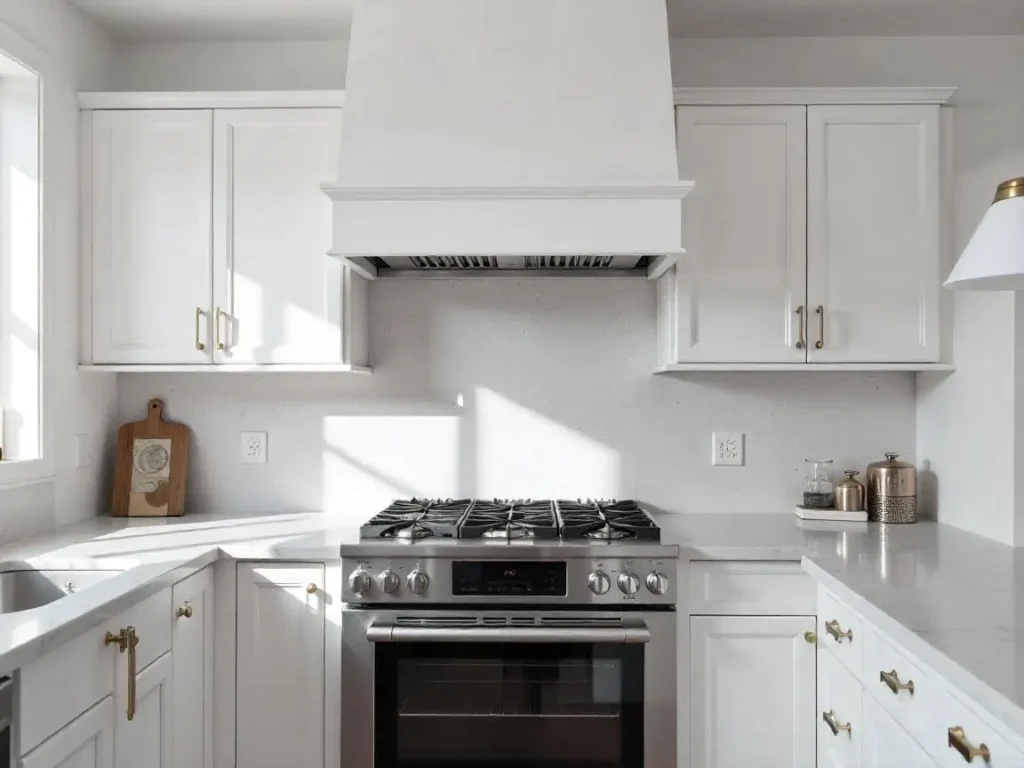
How to Measure for Backsplash? Expert-Backed Step-by-Step Guide Home A backsplash is the decorative and protective barrier behind your countertop, crucial for keeping your walls safe from water splashes, grease, and other kitchen mishaps. Not only does it enhance the look of your kitchen or bathroom, but it also preserves the wall’s integrity over time. Accurate measurements save time, money, and prevent wasted materials. In this guide, you’ll learn how to measure for a backsplash, including the right tools, detailed processes, budgeting tips, and troubleshooting advice, ensuring you confidently calculate backsplash square footage for your tile installation. How to Measure for Backsplash? To measure for a backsplash, begin by measuring the height (from countertop to the bottom of the cabinets) and the total width of your chosen area. Multiply these dimensions in inches and then convert the total by dividing by 144. For example, 18 inches by 36 inches equals 648 square inches, which equals 4.5 square feet when divided by 144. This process helps you calculate backsplash square footage and is essential when figuring out square feet for tile. With these basics in place, we now move to tool selection and layout preparation. Tools and Materials You’ll Need Given are the tools and materials required to measure backsplash: Essential Measurement Tools Gather a high-quality measuring tape, pencil, notepad, and a reliable calculator (or a digital backsplash calculator app) to ensure precision. These tools help you accurately measure for a backsplash and lay the foundation for your project. Additional Aids and Safety Gear A level, chalk line, dry-lay templates, and graph paper assist in mapping your area and verifying your calculate backsplash square feet process. Use gloves and protective eyewear, particularly when cutting tile, to keep the project safe and professional. Preparing Your Work Area In order to prepare the work area, follow the given process: Clearing and Cleaning the Surface Before starting, remove any obstacles such as appliances, wall hangings, or furniture near the backsplash zone. Clean the wall thoroughly to eliminate grease, dust, and debris that might affect your measurements and tile adhesion. Documenting the Layout Sketch a scaled diagram or create a digital layout of your backsplash. Mark key elements like outlets or windows. This detailed planning is critical when you measure for a backsplash, ensuring every inch is accounted for. Creating a Dry Lay Arrange your tiles without adhesive a dry lay to visualize your design and confirm your measurements. This step reinforces your approach to calculate backsplash square footage accurately before any permanent work begins. Step-by-Step Backsplash Measurement Process Following are the step-by-step process for backsplash measurement: Sketching and Planning Your Layout Start by drawing a scaled diagram of your backsplash area. Divide the wall into manageable sections if there are interruptions (such as cabinets or windows). This planning ensures precision, especially when figuring out square feet for tile in complex spaces. Measuring Height and Width Vertical Measurement Measure from the countertop to the lower edge of the upper cabinets (or to your desired top edge). A clear vertical measurement is vital when you measure for a backsplash. Horizontal Measurement Measure the full length of the wall, noting any interruptions. This horizontal dimension contributes directly to your calculate backsplash square feet calculation. Handling Irregular Shapes and Obstacles For areas with curves or angles, use a flexible tape measure and break the area into smaller, rectangular segments. Subtract areas that won’t be tiled, like windows or outlet spaces, ensuring you accurately calculate backsplash square footage even in irregular sections. Calculating the Total Area and Material Needs Given are the materials needed for calculating the total area: Converting Measurements Multiply your measured height by the measured width (both in inches) to get the total square inches. Then, divide that number by 144 to convert it to square feet. For example, if 18 inches x 36 inches equals 648 square inches, then 648 divided by 144 gives you 4.5 square feet. This method helps you calculate backsplash square feet efficiently. Determining Tile Quantity Tile-Specific Considerations Based on the tile dimensions, determine how many tiles you’ll need to cover your calculated area. Use your measurements when figuring out square feet for tile to understand if one tile covers the necessary area or if additional cuts are required. Adding Overage It is essential to order an extra 10% to 15% (up to 20% for complex layouts) to cover cutting errors, breakage, and future repairs. This extra helps ensure you always have sufficient material without disruptions in your project. Advanced Tips and Techniques Here are the advanced tips and techniques: Using Technology and Digital Tools Leverage online backsplash calculators and downloadable templates to streamline your process. Many mobile apps allow you to measure for a backsplash digitally, ensuring precision when you calculate backsplash square footage. Visual Planning Aids Utilize infographics, dry-lay photos, and video walkthroughs to guide your measurement process. These visual aids enhance understanding and provide real-life examples, making figuring out square feet for tile simpler and more effective. Troubleshooting Common Measurement Errors Double-check every measurement and use multiple methods if needed to avoid errors. Be mindful of unit conversion mistakes, especially when converting inches to square feet, ensuring your calculate backsplash square feet process is error-free. Budgeting and Cost Estimation Given are the budgeting and cost estimation to measure the backsplash: Estimating Costs Based on Measurements Accurate measurements allow you to control material costs and minimize waste. Use your calculated backsplash square feet to estimate the overall tile cost based on the price per square foot. Material and Waste Cost Considerations Factor in extra tile costs for overage. By anticipating potential mistakes, you ensure your budget covers all required materials. Tips for Saving Money Order slightly more than calculated to take advantage of return policies on unused tiles. Consider repurposing leftovers and, if needed, allocate funds for professional support to keep your project efficient and cost-effective. Elevate Your Kitchen with SF Marble & Granite in Lowell At SF Marble & Granite, we don’t just provide tile we bring

How to Measure for Backsplash? Expert-Backed Step-by-Step Guide Read More »

how to install backlit backsplash how to install backlit backsplash.

How to Install Backlit Backsplash? Expert Guide

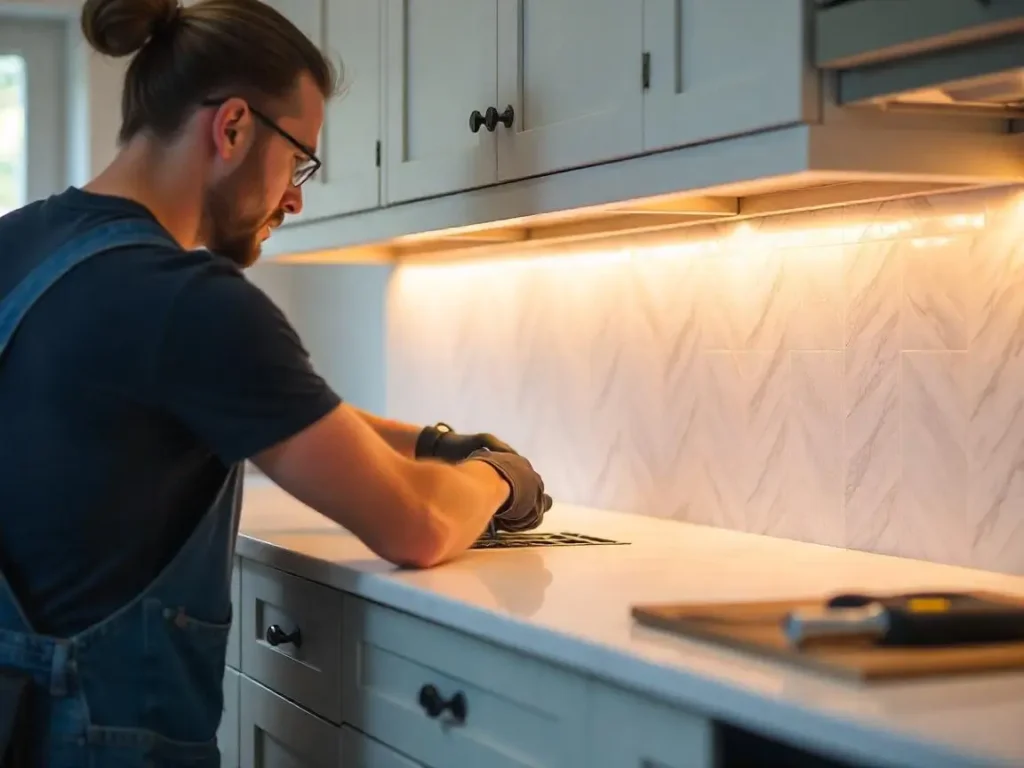
Home How to Install Backlit Backsplash? Expert Guide A backlit backsplash brings a unique glow that transforms kitchens and bathrooms into inviting spaces. Homeowners in Lowell, MA, are increasingly choosing this style to add ambient lighting and a modern twist to traditional designs. With its easy cleaning and customizable colors, the illuminated design enhances both functionality and aesthetic appeal. Whether you opt for a kitchen led backsplash or a classic backlit backsplash, the effect is both dramatic and warm. This trend is popular in mid-century and colonial-style homes, proving that modern lighting can beautifully complement any decor. How to Install Backlit Backsplash? Begin with a clear plan: measure your space and mark areas for the LED strips and tile edge led strip light channel placement. Gather materials such as LEDs, translucent tiles, adhesive, and grout. Clean and prepare the surface carefully before installing the backlit backsplash elements. Secure the LED strips with attention to safety, ensuring wiring is linked to a GFCI outlet. Finally, affix the tiles evenly and finish with grout to allow light to shine through. This step-by-step method guarantees a stunning, even illumination for your new design. Material Showdown: Glass vs. Stone vs. Quartz Backlit Backsplashes Glass Tiles Glass tile backsplash red offers excellent light diffusion, creating a sleek, modern look that emphasizes vibrant hues. However, glass tiles require extra care; using a glass tile backsplash red in high-traffic areas can mean higher maintenance. Natural Stone Opt for granite or marble for durability and unique veining. Many Lowell residents prefer green glass backsplash kitchen tile designs paired with stone, ensuring a timeless yet contemporary finish. Using green glass backsplash kitchen tile accents can balance the rugged beauty of natural stone with the modern feel of backlighting. Engineered Quartz Quartz provides a non-porous, consistent surface. While engineered quartz may limit translucency, it pairs well with a backlit backsplash to create a striking visual contrast that remains low maintenance. Advanced Design Trends: Beyond Basic Lighting Modern design now integrates color-changing LEDs that sync with smart home systems. Innovative options include textured backlit panels and integrated outlets that hide electrical components seamlessly. Homeowners can elevate their space with a light blue glass tile backsplash for a cool, calming effect and a light blue glass tile backsplash that adds sophistication to any kitchen. The future of backlit design is bright, blending technology and style effortlessly, ensuring that every kitchen shines with personalized charm. Safety & Compliance: What Lowell Contractors Want You to Know Ensuring safety is paramount. In Lowell, adherence to Massachusetts’ NEC requirements means connecting LEDs to a GFCI outlet and using waterproof wiring. It’s essential to manage heat effectively, so the backlit backsplash remains cool and safe. Contractors advise checking permit guidelines for major renovations, especially when modifying electrical systems. Proper installation minimizes risks such as overheating of LED strips and ensures compliance with local codes, giving homeowners peace of mind while enjoying their modern backlit backsplash. Cost Analysis: DIY vs. Professional Installation DIY Costs Expect to spend around $1,500–$3,000 on materials, including LEDs, translucent tiles, and installation tools. However, DIY may lead to uneven lighting or electrical issues with your kitchen led backsplash. Professional Costs Professional installation by SF Marble & Granite can range from $3,500–$6,000. This price includes design consultation, expert labor, and warranties, ensuring a flawless backlit backsplash that enhances your home’s value in Lowell’s competitive market. Maintenance & Longevity: Keeping Your Backsplash Pristine Regular upkeep extends the life of your kitchen led backsplash. Use a microfiber cloth and gentle cleaners to avoid damaging the translucent tiles. If you notice flickering or loose fixtures, check the connections along the tile edge led strip light channel. Routine maintenance not only preserves the visual appeal but also prevents common issues. Contact SF Marble & Granite for professional repairs or advice to ensure your backlit backsplash continues to shine beautifully in your Lowell home. Transform Your Kitchen Lighting with Lowell’s Trusted Experts  At SF Marble & Granite, we bring more than just skill we bring local insight. With years of experience in backsplash installation in Lowell, we understand the charm of classic New England homes and the clean lines of modern builds. Whether your kitchen leans traditional or contemporary, we’ll customize every detail to fit your style perfectly. Trust a team that knows your neighborhood as well as we know stone. Conclusion A backlit backsplash isn’t just a trendy design it’s a smart upgrade that brings both function and beauty to your kitchen. From adding soft, ambient lighting to showcasing unique materials like glass, quartz, or stone, this feature truly transforms how your space looks and feels. Whether you love the subtle glow behind a sleek glass tile or the bold statement of color-changing LEDs, the right backsplash can make your kitchen feel brand new. It’s a detail that combines elegance, innovation, and comfort all in one stunning finish. Contact SF Marble & Granite Inc. for a free consultation let’s bring light to your kitchen! FAQs Can I retrofit an existing backsplash with LEDs?Yes, though it may require partial demolition and rewiring for a seamless backlit backsplash integration. How long do LED strips last?With proper heat management, LED strips can run for over 50,000 hours. Do backlit backsplashes work in small kitchens?Absolutely, they enhance space perception, even in compact areas with a kitchen led backsplash. Are natural stone backsplashes prone to cracking?Not when installed correctly with expansion joints and quality adhesives.

How to Install Backlit Backsplash? Expert Guide Read More »

How to Install Backsplash Tile Sheets?

How to Install Backsplash Tile Sheets? A Step-by-Step Guide

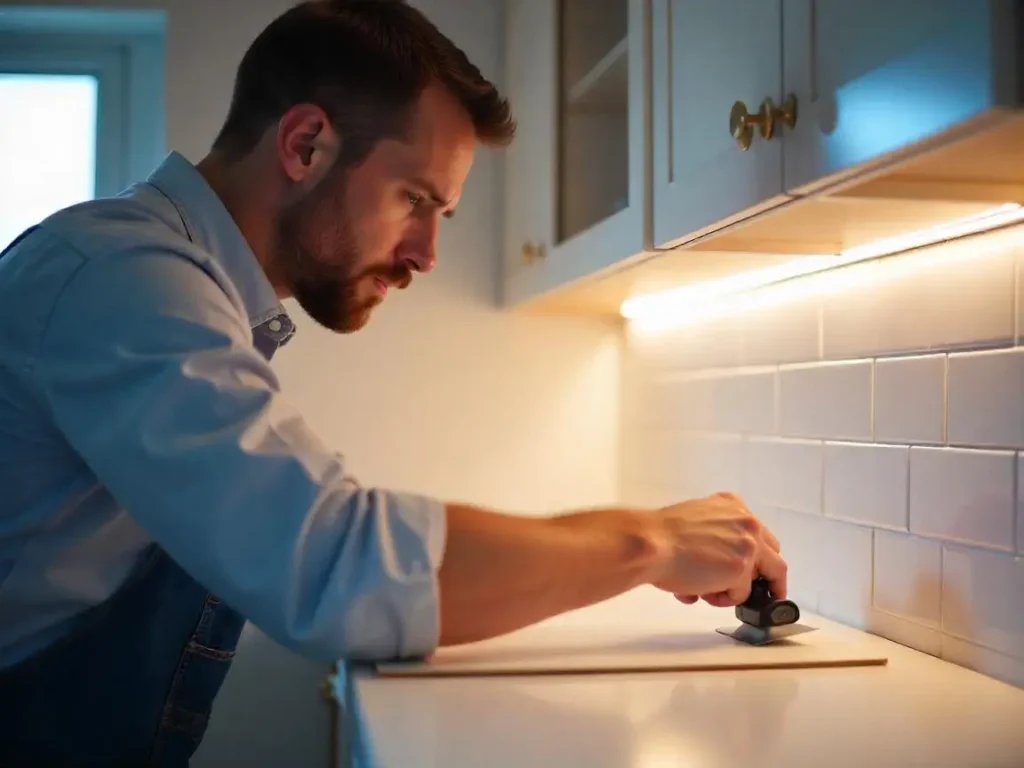
Home How to Install Backsplash Tile Sheets? A Step-by-Step Guide A kitchen backsplash is more than just a pretty face – it’s a functional powerhouse that protects your walls from splashes, stains, and everyday wear and tear. Installing backsplash tile sheets is a fantastic DIY project that can transform your kitchen’s look while adding value to your home. Whether you’re a seasoned DIY enthusiast or a first-time renovator, this guide will walk you through the process of creating a stunning focal point in your kitchen using tile sheets. From choosing the right materials to the final touches, we’ll cover everything you need to know to make your kitchen remodel a success. How to Install Backsplash Tile Sheets? Installing backsplash tile sheets involves several key steps: preparing the area, planning your design, applying adhesive, setting the tiles, grouting, and sealing. First, clear the workspace and protect surfaces. Then, clean and prep the wall. Next, apply adhesive and carefully place your tile sheets. Once set, apply grout and clean excess. Finally, seal the grout and tiles for long-lasting protection. Each step is crucial for a professional-looking finish that will make your kitchen ideas & projects come to life. Exploring Backsplash Tile Sheet Options When it comes to backsplash materials, the options are endless. Tile sheets come in various materials, including ceramic, glass, metal, and stone. Each offers unique benefits: Emerging trends include fluted tiles for added dimension and peel-and-stick options for easy installation. Consider your kitchen’s style and your personal preferences when choosing. Remember, your backsplash is a chance to express your creativity and enhance your home decor ideas. Design Considerations Your backsplash should complement your existing cabinetry and countertop. Consider these design tips: Balance aesthetics with functionality – a busy pattern might look great but could be overwhelming in a small space. Take your time with the design phase; it’s the foundation of your project. Budgeting and Cost Estimation Before diving in, it’s essential to budget for your backsplash project. Costs can vary widely depending on materials and scope. Here’s a breakdown: To save money without compromising quality: Remember to factor in a 10% overage for cuts and mistakes. Preparing the Workspace A clean, organized workspace is crucial for a successful installation. Follow these steps: Safety first: Power off any electrical outlets you’ll be working around. Surface Preparation Proper wall preparation is key to a long-lasting backsplash. Here’s what you need to do: Take your time with this step – a smooth, clean surface will make tile installation much easier. Install a Ledger Board A ledger board is crucial for ensuring your tiles are level and properly supported. Here’s how to install one: Remember, the ledger board is temporary and will be removed after the adhesive sets. Plan the Design Planning your layout is crucial for a professional-looking finish. Follow these steps: Take your time with this step – a well-planned layout will make installation much smoother. Cut the Tiles Cutting tiles accurately is essential for a polished look. Here’s how to do it: Remember, measure twice, cut once to avoid wasting tiles. Mix and Apply Adhesive Proper adhesive application is crucial for a secure installation. Follow these steps: Remember, you have limited working time once the adhesive is mixed, so work efficiently. Install the Tile Now for the exciting part – setting your tiles! Here’s how: Take your time and work carefully – this is where your backsplash comes to life! Mix and Apply the Grout Grouting gives your backsplash a finished look. Here’s how to do it right: Be thorough but gentle to avoid scratching your tiles. Clean and Seal Grout and Fill the Expansion Gap The final touches make all the difference. Here’s what to do: These steps protect your backsplash and give it a professional finish. Clean and Reassemble the Area Time to put your kitchen back together: Take care not to damage your new tiles during this process. Tools You’ll Need Here’s a checklist of tools for your backsplash project: Having the right tools on hand will make your project go smoothly. Maintenance and Care To keep your backsplash looking great: With proper care, your backsplash will stay beautiful for years to come. Common Mistakes to Avoid Steer clear of these common pitfalls: Take your time and follow each step carefully for the best results. Expert Backsplash Installation Company in Lowell, MA If you’re looking to elevate your kitchen or bathroom with a stylish and functional backsplash, SF Marble & Granite Inc. is the premier choice for Backsplash installation in Lowell, MA. With over a decade of experience, we specialize in creating custom designs that blend seamlessly with your home’s aesthetic while offering unmatched durability and protection. Whether you prefer classic subway tiles, intricate mosaics, or modern glass tiles, our team ensures precision and quality in every project. Conclusion Installing a backsplash is a rewarding DIY project that can dramatically enhance your kitchen’s appearance and functionality. With careful planning, the right tools, and attention to detail, you can create a beautiful backsplash that will be the envy of your friends and family. Remember to take your time, follow each step carefully, and don’t be afraid to ask for help if you need it. Your new backsplash will not only protect your walls but also serve as a stunning focal point in your kitchen for years to come. Happy tiling! Contact Us Today Transform your space with a stunning backsplash installed by SF Marble & Granite Inc., the trusted name in Lowell. Contact us for a free quote and consultation to start your project! FAQs How Do I Cut Backsplash Tiles Without A Wet Saw?You can use a manual tile cutter for straight cuts or an oscillating tool with a diamond blade for more complex cuts. Always wear safety gear and work slowly for the best results. Can I Install Backsplash Tile Sheets Over Existing Tiles?It’s possible, but not always recommended. Ensure the existing tiles are firmly attached and the surface is clean and flat. Use

How to Install Backsplash Tile Sheets? A Step-by-Step Guide Read More »

How do you cut tile backsplash?

How do you cut tile backsplash? A Complete Guide 2025

Home How do you cut tile backsplash? A Complete Guide 2025 In modern kitchen design, a perfectly cut backsplash elevates home aesthetics by adding style and sophistication. If you’ve ever wondered, “How do you cut tile backsplash?” mastering this DIY skill is a game changer. Learning the art of cutting backsplash tile offers significant cost‑savings and endless customization. Whether you’re cutting tile for backsplash with a manual cutter or experimenting with advanced tools, the satisfaction of achieving professional results on your own is unbeatable. By learning to cut backsplash tile precisely, you not only create a stunning kitchen feature but also embark on a rewarding home improvement journey that transforms your space into a work of art.  What Is the Best Way to Cut Tile Backsplash? To cut tile backsplash effectively, start by carefully measuring and marking your tile. Choose a tool that matches your tile material whether it’s a manual tile cutter, snap cutter, tile nipper, angle grinder, or wet saw. Score the tile along the marked line and apply steady pressure to snap or cut it cleanly. Finally, smooth rough edges with a rubbing stone or sanding sponge. This process for cutting backsplash tile sets a foundation for DIY projects and leads to professional results. Understanding Your Tile Material & Its Impact When planning how do you cut tile backsplash, understanding your tile material is key. Different materials require specific methods when cutting and installing. Tile Types Overview Material-Specific Tips Sustainability & Waste Reduction Plan your cuts carefully to maximize tile usage and reduce waste. Measure twice and mark your layout to minimize off‑cuts. Consider recycling any leftover pieces or donating scraps to local community projects. This eco‑friendly approach not only saves you money but also contributes to a greener project. Pre‑Project Planning & Preparation Successful backsplash installation starts long before you pick up a tool. Project Assessment & Goal Setting Accurate Measurement & Layout Design Workspace Organization & Safety Setup Comprehensive Tool Guide & Maintenance Choosing the right tool is essential when learning how do you cut tile backsplash. Overview of Tile Cutting Tools Tool Selection & Maintenance Step‑by‑Step Cutting Techniques Mastering the cutting process is crucial for a flawless backsplash installation. Manual Cutting Methods Using a Manual Tile Cutter/Snap Cutter: Precision Trimming with Tile Nippers Trimming Curves and Details: Using an Angle Grinder Versatile Cutting for Various Shapes: Wet Saw Operation For Clean, Professional Cuts: Techniques for Pre‑Installed Tile Modifying Existing Backsplash: Advanced Specialty Cuts & Creative Solutions Making Diagonal, Bevel, L‑Shaped, and Plunge Cuts: Finishing Touches & Post‑Cut Care A flawless finish is the final step in laying your backsplash tile. Edge Smoothing & Refinishing Sanding & Smoothing: Preparing Tiles for Installation Cleaning and Surface Preparation: Long‑Term Maintenance & Repair Repair Tips: Safety Guidelines & Best Practices Prioritize safety throughout your backsplash tile project. Comprehensive Safety Checklist Personal Protective Equipment (PPE): Managing Dust, Noise, & Water Dust Control: Noise Reduction: Water Usage: Emergency & First-Aid Tips Accident Preparedness: Cost Analysis & DIY vs. Professional Help Evaluate your project’s budget and decide if DIY is right for you. Budgeting Your Project Cost Estimation: Cost‑Benefit Analysis DIY Advantages: When to Hire a Professional: Return on Investment (ROI) Long‑Term Value: Elevate Your Kitchen with SF Marble & Granite in Lowell At SF Marble & Granite Inc., we’re more than just another Backsplash Installation company in Lowell we’re your local neighbors and experts. We truly understand the unique architectural styles of Lowell homes, whether it’s a charming historic Victorian or a sleek modern condo. Our personalized approach ensures your kitchen gets a backsplash that not only looks stunning but also perfectly complements your space. Trust in our quality craftsmanship and dedicated service to transform your kitchen into a functional work of art. Experience the difference with solutions that are inspired by our local community. Conclusion Learning how do you cut tile backsplash can transform your kitchen by giving you a stunning, custom finish that reflects your unique style. By carefully measuring, selecting the right tools, and mastering techniques from scoring and snapping with a manual tile cutter to using a wet saw for precision cuts you can achieve professional results on your own. Remember to plan your project meticulously, follow safety guidelines, and always smooth edges for a flawless look. We encourage you to experiment with these methods, share your DIY successes, and join our community of home improvement enthusiasts. Contact us now! FAQs How do I cut tile backsplash without chipping?To avoid chipping when cutting backsplash tile, start by scoring accurately along your marked line using a manual tile cutter or snap cutter. Apply gentle, steady pressure to snap the tile cleanly. Always follow up by smoothing rough edges with a rubbing stone or sanding sponge. Consistent scoring and proper tool use make all the difference when it comes to cutting tile for backsplash. What is the best tool for cutting backsplash tile?The ideal tool depends on your tile type and project needs. Manual tile cutters and snap cutters work well for straight cuts on ceramic and porcelain. Wet saws offer clean, precise cuts, especially for larger or thicker tiles, while tile nippers excel at trimming small or curved sections. For versatile cutting, an angle grinder with a diamond blade can handle various materials. Choose the tool that best suits your backsplash design and tile material. How can I fix minor damage if my tile gets chipped?If your tile gets chipped, you can repair it by gently sanding the rough or sharp edges with a fine-grit sanding sponge or rubbing stone. For small gaps or deeper chips, consider using a tile repair kit to fill in and smooth out the damaged area. These simple repair techniques help restore both the appearance and safety of your backsplash. What safety precautions should I take when cutting backsplash tile?Safety is paramount when cutting backsplash tile. Always wear gloves, eye protection, and a respirator to protect against dust and debris. Work in a well‑ventilated, well‑lit area and secure your workspace to

How do you cut tile backsplash? A Complete Guide 2025 Read More »

How to Lay Backsplash Tile? A Guide with Expert Tips

How to Lay Backsplash Tile? A Guide with Expert Tips

Home How to Lay Backsplash Tile? A Guide with Expert Tips Installing a backsplash is a simple way to protect your walls, enhance your kitchen design, and boost your home’s value. This guide on “how to lay backsplash tile” is perfect for DIY enthusiasts, homeowners, and beginners seeking clear, actionable instructions. Learn a complete, step-by-step backsplash tile installation process, including professional tips for laying backsplash tile with precision. We explain planning your layout, selecting quality materials, and troubleshooting common mistakes, as well as maintenance strategies. Whether you need an easy guide to laying backsplash tile for your kitchen or detailed tile installation tips, this guide is your comprehensive, hands-on resource indeed. How to Lay Backsplash Tile? Start by cleaning and priming your wall. Next, measure, mark, and plan your layout to determine your starting point. Apply tile adhesive in small sections, then lay backsplash tile with consistent spacing using spacers. Trim tiles for edges with a tile cutter, apply grout, clean off excess, and seal for lasting durability. Follow detailed steps in Section 3 for planning, Section 6 for installation, and Section 7 for design enhancements. This process minimizes mistakes and ensures a professional, attractive finish. Understanding Backsplash Tile Options and Trends When learning how to lay backsplash tile, it’s essential to know your options. Start with a materials comparison: Ceramic: Affordable and easy to work with, ceramic tiles are great for classic, clean looks. Porcelain: Durable and low-maintenance, perfect for busy kitchens. Glass: Offers a modern, reflective quality that brightens your space. Natural Stone: Options like granite or marble add timeless elegance and unique patterns. Design Styles Popular styles include classic subway, mosaic, patterned, and modern minimalist. Each style influences your layout and overall kitchen aesthetic. Color & Texture Select colors and textures that complement your countertops and cabinetry. Look for harmonious shades that enhance your décor without overwhelming the space. Sustainability in Tile Selection Eco-friendly options are emerging opt for recycled glass or sustainably sourced natural stone. Sustainable practices not only reduce waste but also align with green building trends. Emerging Trends Innovative tile designs, such as textured surfaces and smart tile solutions with integrated LED lighting, are gaining traction. These trends offer fresh ways to personalize your backsplash and make your DIY project stand out. Pre-Installation Planning and Layout A successful DIY backsplash tile installation begins with solid planning. Surface Assessment Inspect your wall for any damage. Clean thoroughly and prime the surface to ensure proper adhesion. Measuring and Marking Measure the area accurately, and use a level to mark guidelines. Determining your starting point often the center or bottom is crucial for symmetry. Project Timeline & Scheduling Estimate the time needed for each phase: preparation, tile laying, grouting, and sealing. Create a realistic schedule that accommodates drying times and breaks. Safety and Accessibility Considerations Wear appropriate personal protective equipment (PPE) such as gloves and safety glasses. Ensure that instructions are clear and accessible for DIY beginners, so even novices can confidently follow the process. Tools, Materials, Budgeting, and Supplier Selection Gathering the right tools and materials is key for how to lay backsplash tile successfully. Tools Required Essential tools include: Tile cutter or wet saw: For precise cuts. Notched trowel: To spread adhesive evenly. Grout float: For smooth grout application. Spacers and level: To maintain consistent tile spacing and alignment. Materials Needed You’ll need high-quality adhesive, grout, primer, sealant, and spacers. These materials ensure your backsplash tile installation is durable and attractive. Budgeting Tips Estimate project costs by listing tools and materials. Look for cost-saving tips, such as renting specialized tools or buying materials in bulk. Supplier and Brand Selection Research local suppliers and reputable brands. Read reviews and compare prices to choose quality products that fit your budget, ensuring your DIY backsplash tile project lasts for years. Step-by-Step Installation Process Follow these clear steps for your tile backsplash installation: Adhesive Application Mix your tile adhesive according to manufacturer instructions. Apply it in small sections with a notched trowel, ensuring even coverage. Tile Placement Start laying your tiles from your determined starting point. Use spacers to maintain consistent gaps for grout and check alignment with a level. Tile Cutting Techniques For edges and obstacles, trim tiles using a tile cutter or wet saw. This step is vital for a clean, professional finish. Grouting Process Once tiles are set, apply grout with a grout float. Work it into the spaces, then remove excess grout with a damp sponge. Sealing and Finishing After the grout dries, seal the tiles and grout to protect against moisture and stains. Advanced Installation Techniques For curved surfaces or mosaic effects, adjust your method experiment with layout variations and extra cutting techniques to handle irregular areas. Design Enhancements and Creative Customizations Make your backsplash stand out with creative customizations: Enhancing Visual Appeal Integrate your backsplash design with your countertops, cabinets, and overall kitchen décor. Consistency in style ties the room together. Decorative Accents Use contrasting grout colors, accent lighting, or patterned tiles to add visual interest. These small details can transform a simple installation into a statement piece. Smart Home Integration Consider incorporating LED strip lighting or smart sensors. These modern touches not only add style but also enhance functionality by illuminating your backsplash. Custom Patterning Explore unique layout options, like creating a focal mosaic or incorporating geometric patterns, to add a personalized touch that reflects your style. Troubleshooting and Common Mistakes Even with careful planning, challenges can arise. Here’s how to tackle them: Identifying Issues Common pitfalls include uneven tile spacing, improper adhesive application, or grout inconsistency. Regularly check your alignment and spacing throughout the process. Troubleshooting Tips If tiles start to shift, gently reposition them before the adhesive sets. For grout issues, adjust the water-to-grout ratio and reapply if necessary. Preventative Quality Checks Implement periodic checks during installation. Measure frequently and use a level to ensure consistency. This proactive approach helps catch errors early, ensuring a smooth, professional finish. Post-Installation Care and Long-Term Maintenance Keep your backsplash looking fresh and

How to Lay Backsplash Tile? A Guide with Expert Tips Read More »

Scroll to Top