S F Marble & Granite

Granite Installation

quartz-vs-quartzite-countertops

Quartz vs Quartzite Countertops | Know the Difference Before You Decide

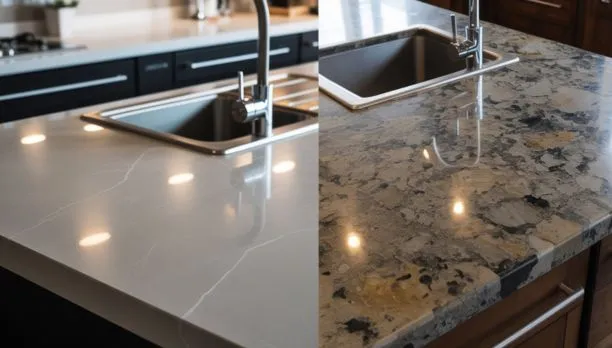
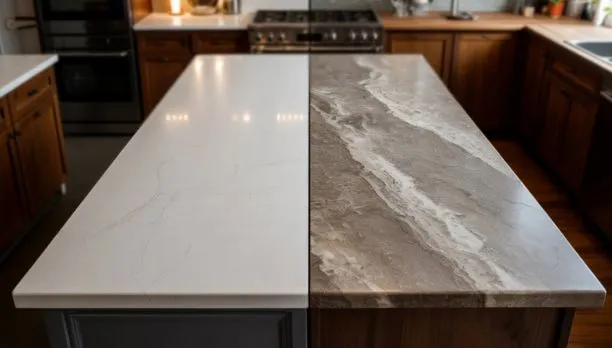
Quartz vs Quartzite Countertops is a comparison that every homeowner should understand before investing in a new kitchen or bathroom surface. While both materials are known for their beauty and durability, they are quite different in terms of composition, maintenance needs, and visual appeal. Choosing the right one can impact not only your home’s look but also its long-term value and functionality. At SF Marble and Granite, your trusted countertop experts in Lowell, MA, we’ve helped hundreds of homeowners make the right decision based on their lifestyle, design goals, and budget. In this guide, we’ll break down the key differences between quartz and quartzite so you can confidently choose the perfect material for your space. What is Quartz? Quartz is an engineered stone surface composed of natural quartz crystals bound together by a resin binder and pigments. Designed to look luxurious while offering high durability and minimal upkeep requirements, quartz countertops often win out as the superior option in comparison with quartzite ones for their clean aesthetic and consistent color palette. At SF Marble and Granite, we offer top-grade quartz surfaces crafted to meet both style and function. If you’re searching for quartz countertops near me, our Lowell-based showroom features a range of options to fit every design vision. Key Features of Quartz: Made from 90–95% crushed quartz and resin Non-porous surface – no sealing required Scratch and stain-resistant Easy to clean and maintain Available in many colors and patterns Quartz suits busy kitchens, modern bathrooms, and homes where low upkeep is a priority. Compared to quartzite versus quartz, quartz is easier to maintain, making it a smart choice for homeowners looking for beauty and practicality in one. What is Quartzite? Quartzite is a natural metamorphic stone formed when sandstone is exposed to intense heat and pressure beneath Earth’s crust, eventually giving way to a strong yet beautiful ro,ck which makes perfect luxury spaces. Quartzite countertops stand out as being both beautiful and durable compared to their man made counterpart, quartz. Their distinctive patterns provide earthy elegance for an earthier aesthetic than what’s offered by quartz. Main Qualities of Quartzite: 100% natural stone formed from sandstone Strong and heat-resistant Unique veining and marble-like look Requires periodic sealing for protection Ideal for elegant, high-end kitchens Quartzite’s natural veining and color variations lend it a timeless look, making it perfect for a modern kitchen with high design standards. It pairs beautifully with materials like black granite, adding depth and contrast to the space. If you’re exploring the difference quartz and quartzite, it often comes down to preference: quartzite offers raw beauty, while quartz delivers uniform design. And if you’re deciding between quartz vs granite, quartzite usually bridges both, bringing the strength of granite and the appeal of quartz together. The Main Differences Between Quartz and Quartzite Countertops Comparing quartz vs quartzite countertops, the main differences lie in terms of appearance, care requirements, and durability. Key Differences at a Glance: Appearance: Quartz is uniform; quartzite shows natural veining. Durability: Quartz resists stains; quartzite handles heat better. Maintenance: Quartz is non-porous (no sealing); quartzite needs sealing. Cost: Quartz is budget-friendly; quartzite is higher-end. Eco Impact: Quartzite is natural; quartz is engineered. If you’re torn between the quartz and quartzite difference, ask yourself: Do you want low upkeep or natural beauty? Quartz is great for modern kitchens, especially if you want to keep stains out easily. Quartzite offers a natural look with strength, like porcelain slabs, but in stone form. Both can be installed in thick slabs for a bold finish. Which Countertops Should You Choose? Determining whether quartz or quartzite countertops are best suited to your space depends on their use and your priorities, whether that includes aesthetic, maintenance, or budget considerations. Ask yourself: Do you cook daily or entertain often? Do you prefer natural beauty or a clean, modern finish? Are you okay with sealing, like with sealing marble floors, or do you want something low-maintenance? Choose Quartz If: You want easy care with no sealing Consistent color fits your design You’re updating on a budget Choose Quartzite If: You love natural stone and unique veining You don’t mind sealing now and then You’re designing a luxury space Quartzite versus quartz also comes down to location. For high-use areas like kitchens, both work well. For baths or commercial spaces, quartz often wins with its durability and ease of cleaning. At SF Marble and Granite, we handle everything from granite installation to backsplash installation, and we’ll help you pick the right countertop that suits your lifestyle and design goals. Why Choose SF Marble and Granite for Your Quartz or Quartzite Countertops? When it comes to deciding between quartz vs quartzite countertops, you need more than just beautiful slabs; you need trusted craftsmanship. That’s where SF Marble and Granite comes in. We bring local expertise in both fabrication and installation, backed by years of experience in kitchens, bathrooms, and even marble floor installation. Whether you want the smooth look of quartz or the natural beauty of quartzite, we offer a wide selection of high-quality materials ready to fit your style and needs. Why Homeowners Trust Us: Large inventory of premium quartz and natural quartzite Precision cutting, custom edge profiles, and seamless finishes Skilled installation team with a sharp eye for detail Portfolio of successful projects and happy clients We make your remodeling experience simple, clean, and stress-free. From material selection to final installation, we’re with you every step of the way. get a free quote Final Thought When comparing quartz vs quartzite countertops, it all comes down to your lifestyle, design taste, and maintenance preferences. Quartz offers sleek consistency and easy care, while quartzite delivers natural elegance and strength. At SF Marble and Granite, we’re here to help you make the best choice for your home. With expert fabrication, top-quality materials, and a team that cares about every detail, your dream space is just a step away. FAQs What is the main difference between quartz and quartzite countertops? The biggest difference lies in their

Quartz vs Quartzite Countertops | Know the Difference Before You Decide Read More »
truly-shine-with-black-granite-countertops

What Cabinet Colors Truly Shine with Black Granite Countertops?

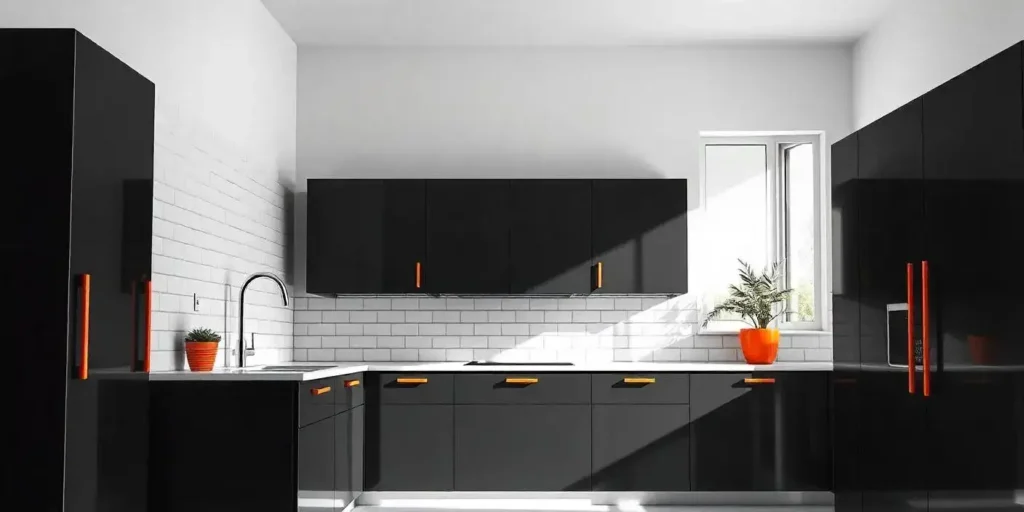
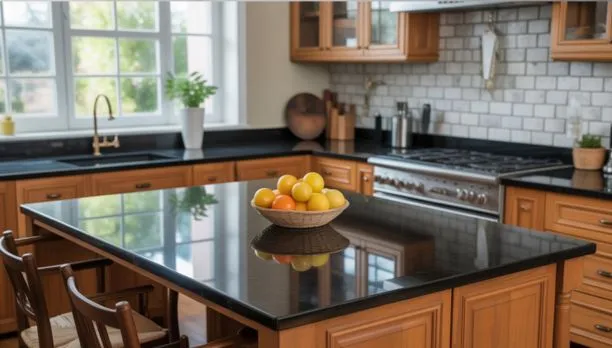
Truly shine with black granite countertops by adding bold elegance and timeless charm to your kitchen or bathroom. Black granite is prized for its deep, rich tones, unique veining, and natural shine, which instantly upgrades any space. It pairs beautifully with a range of cabinet colors and finishes, offering a sleek and modern look that remains timeless. At SF Marble and Granite, we help homeowners bring their design visions to life with high-quality black granite countertop installation. With expert craftsmanship and years of local experience, we provide customized solutions that make your home stand out with both beauty and durability. What Makes Black Granite Countertops Truly Shine Black granite countertops bring bold style and lasting strength to any space. Their deep tones and natural patterns make kitchens and bathrooms feel sleek and modern. Key Reasons They Stand Out Elegant Appearance: Rich color with unique veining Versatile Style: Pairs well with light or dark cabinets Durable Surface: Heat, scratch, and stain-resistant Low Maintenance: Easy to clean and long-lasting Finishes That Add More Shine At SF Marble and Granite, we offer different finishes to enhance the stone’s natural beauty: Polished: Glossy and reflective Honed: Smooth and matte Leathered: Textured and modern Designed for Your Space SF Marble and Granite offers professional installation and customized designs to bring black granite countertops that complement your style and needs to your home. Finishes and Styles That Truly Shine with Black Granite Countertops Selecting the ideal finish can make your kitchen or bathroom shine with black granite countertops. Choose between polished shine or matte appearance – both can add character and personality to the space. Common Finish Options Polished Finish – Reflects light, looks luxurious, and pairs beautifully with granite countertops with white cabinets Honed Finish – Smooth, matte, and great for modern or rustic kitchens Leathered Finish – Textured, hides smudges, and adds a unique, natural touch These finishes affect how the surface looks and feels, giving you options that fit your style. Compared to other materials, the debate of quartz vs granite often comes down to appearance; black granite offers more natural variation and a bolder presence. Add Character with Edge Profiles Edge style can also enhance your granite countertop. Choose from: Straight edge for a clean, modern look Beveled edge for subtle detail Ogee edge for a classic, decorative touch At SF Marble and Granite, our expert staff can assist in choosing a finish and edge to match your overall design, creating functional yet beautiful countertops for you to enjoy! Best Kitchen Designs That Truly Shine with Black Granite Countertops Your kitchen layout and color pairing can truly shine with black granite countertops, whether your style is classic, bold, or modern; black granite will coordinate beautifully with various design choices. Stylish Kitchen Design Ideas Black Granite with White or Light-Colored Cabinets This high-contrast pairing brings out the depth and shine of black granite. It’s a timeless look that feels clean, bright, and balanced. Monochrome Kitchens with Bold Metal Accents Stick with a black-and-white palette but add gold, brass, or matte black hardware. This makes black granite countertops feel even more upscale and stylish. Open-Concept Layouts and Black Countertops In larger spaces, black granite helps define kitchen zones without needing walls. It anchors the room while still feeling sleek and open. You can also flip the contrast with black cabinets with white counters, but black granite remains a top choice for bold, durable, and elegant kitchens. At SF Marble and Granite, we help you choose the perfect layout and finish so your countertops truly shine in every way. Backsplash and Cabinet Pairings for Maximum Impact When it comes to black granite countertops, selecting the appropriate backsplash, cabinet style, and hardware elements is critical in creating an impactful yet balanced kitchen space. Together, these elements contribute to creating an effective space that exudes design intent. Design Tips for a Standout Look Choose a Backsplash with Texture or Contrast Light subway tiles, marble mosaics, or even glass backsplashes can make black granite pop. Textured finishes also help hide splashes and keep stains out of sight. Pick Cabinets that Complement the Stone White, cream, or light gray cabinets create a clean contrast with black granite. For a dramatic feel, deep espresso or navy blue can also pair beautifully. Coordinate Your Hardware Matte black, brushed gold, or stainless steel pulls and knobs can tie everything together. They add just enough shine without overwhelming the space. Smart cabinet and backsplash choices will allow your kitchen to truly shine with black granite countertops, providing a custom and long-term high-impact look. Benefits of Choosing Black Granite for Your Kitchen or Bath Homeowners are opting for black granite not just for its stylish appeal, but for its long-term performance as well. When adding black granite countertops to their space, you’ll appreciate their lasting visual and functional impact over time. Why Black Granite Is a Smart Choice Durability and Heat Resistance A quality granite countertop stands up to daily wear. It resists heat from pots and pans, making it ideal for kitchens and bathrooms with constant use. Low Maintenance with High Visual Appeal Unlike a thick sealing marble floor, black granite needs only occasional sealing to maintain its natural beauty. Wiping with mild soap and water keeps it looking fresh. Long-Term Value for Your Home Granite surfaces boost resale value. Their timeless look, especially in darker tones, appeals to modern and traditional styles alike. With just a little care and planning, your space can truly shine with black granite countertops, combining long-term beauty and utility in one package! How to Make Black Granite Countertops Truly Shine Daily Daily care of black granite countertops is simple yet essential if they’re to look their best. By following some easy steps, your surfaces can continue looking as rich and polished as the day they were installed. Easy Ways to Keep Them Clean and Shining Use Safe, Non-Acidic Cleaners Wipe down your countertop with a soft cloth and a mild dish soap solution. This keeps the

What Cabinet Colors Truly Shine with Black Granite Countertops? Read More »

quartz-vs-granite-countertops-which-is-better

 Quartz vs Granite Countertops: Which Is Better for Your Home

Quartz vs Granite Countertops Which Is Better? This is a common question homeowners face when upgrading their kitchens or bathrooms. At SF Marble and Granite Inc., we understand how overwhelming it can be to choose between two of the most popular countertop materials. Both quartz and granite offer elegance, durability, and long-term value, but they differ in how they’re made, how they perform, and what kind of maintenance they require. If you’re searching for the best fit for your lifestyle and budget, this guide will walk you through every key difference. Quartz is known for its sleek, modern look and low maintenance, while granite is prized for its natural beauty and heat resistance. As the top provider of quality granite and quartz countertops in Lowell, MA, SF Marble and Granite Inc. helps homeowners make confident, informed choices. In this article, we’ll compare the two materials across cost, sustainability, durability, heat resistance, and more, so you can decide which one truly suits your space. What is Quartz? Quartz stands out as the superior option when comparing quartz vs granite countertops in terms of aesthetic appeal, low maintenance needs, and ease of cleaning. Quartz surfaces are engineered surfaces composed of natural quartz crystals mixed with resin and pigments to produce strong non-porous material ideal for busy kitchens and bathrooms. At SF Marble and Granite, many homeowners choose white quartz countertops for their clean look and consistent color. Since quartz is man-made, it offers more control over design and pattern, making it easy to match any style. Key Benefits of Quartz Countertops Stain and scratch-resistant No sealing needed Easy to clean More color choices, including pure white and marble-look styles Durable for everyday use Quartz is ideal for those who prioritize style with minimal upkeep. When choosing between quartz vs granite countertops, quartz often proves superior for families seeking an aesthetically pleasing yet low-maintenance surface. What is Granite? Granite stands as the natural, time-tested choice when it comes to choosing between quartz vs granite countertops for countertops, which has long been debated as being superior. Granite is 100% natural stone that forms deep within the Earth through the cooling and solidification of magma deep within, giving each slab unique colors, veins, and patterns; no two pieces are alike! Where Granite Works Best Granite is a popular choice for both residential and commercial projects due to its strength and classic appeal. It’s commonly used in: Kitchen countertops Bathroom vanities Outdoor kitchens and grills Fireplace surrounds Office desks and conference tables Whether you’re remodeling a home or designing a commercial space, granite offers a solid, long-lasting solution. Services We Offer As part of our commitment to high-quality craftsmanship, SF Marble and Granite specializes in: Granite installation – Professional granite installation, precise fitting of custom granite surfaces Granite repair – Granite Repair Restoring cracks, chips, or dull areas to their original beauty If you’re choosing between quartz vs granite countertops, granite may be your better option if you value natural variation, durability under heat, and the prestige of real stone. As an enduring countertop material with unique veins and mineral deposits that tell its unique tale of life and history, granite stands tall among both options in discussions comparing quartz vs granite. Quartz vs Granite: A Side-by-Side Comparison Quartz and granite countertops each provide durable and stylish surfaces; the answer to which one is better will depend on your lifestyle and design goals. While both options offer similar performance characteristics, their differences come down to design preferences, feel, and performance characteristics. Appearance Quartz offers consistent color and pattern, great for modern kitchens. Granite features natural veining and unique patterns—perfect for adding character. Installation and Thickness Quartz is easier to install and doesn’t need sealing. Granite requires expert handling. Choosing the right granite countertop thickness ensures strength and longevity. Performance Quartz is stain-resistant and non-porous. Granite is more heat-resistant and scratch-tough, but needs sealing over time. Granite and quartz both possess unique benefits when it comes to countertops; quartz requires less upkeep and a modern aesthetic, while granite delivers timeless natural charm. Cost Comparison of Quartz and Granite Countertops One of the primary factors homeowners take into consideration when making their decision between quartz vs granite countertops is cost. Both materials provide long-term value; however, their pricing structures vary based on material type, availability, and labor involved in installation processes. Average Cost Per Square Foot On average, quartz countertops range from $55 to $100 per square foot, while granite usually falls between $45 and $90 per square foot. However, premium colors or rare patterns can push prices higher for both materials. Key Cost Factors Several things can impact the final price of granite vs quartz countertops, including: Material grade – Rare colors or unique patterns increase cost Edge profiles – More complex edges raise fabrication expenses Slab thickness – Thicker slabs cost more and require more support Labor and fabrication – Professional granite fabrication and finishing may affect pricing Location and availability – Locally sourced materials may be cheaper Installation and Long-Term Value Quartz can be installed quickly due to its uniform nature, which reduces labor costs. Meanwhile, granite requires custom cutting and sealing processes as its natural strength can make it more heat resistant and long-lasting in busy kitchen environments. Both materials offer considerable long-term value; however, quartz may save on maintenance expenses while granite has greater resale appeal due to its natural look and timeless feel. Quartz vs Granite Cost Overview Feature Quartz Granite Average Price/Sq. Ft. $55–$100 $45–$90 Sealing Required No Yes Installation Complexity Easier More Skilled Labor Needed Maintenance Cost Low Medium Fabrication Cost Impact Moderate Higher with custom cuts In the end, when considering quartz vs granite countertops, which is better, quartz may be ideal for low-maintenance needs, while granite offers value with beauty and strength, especially when crafted through expert granite fabrication services. Sustainability of Quartz and Granite Comparing quartz and granite countertops from an environmental viewpoint is difficult; both materials have advantages and disadvantages depending on sourcing, production, and

 Quartz vs Granite Countertops: Which Is Better for Your Home Read More »

Laminate Countertops vs Granite: Best Choice?

Laminate Countertops vs Granite: What’s Better?

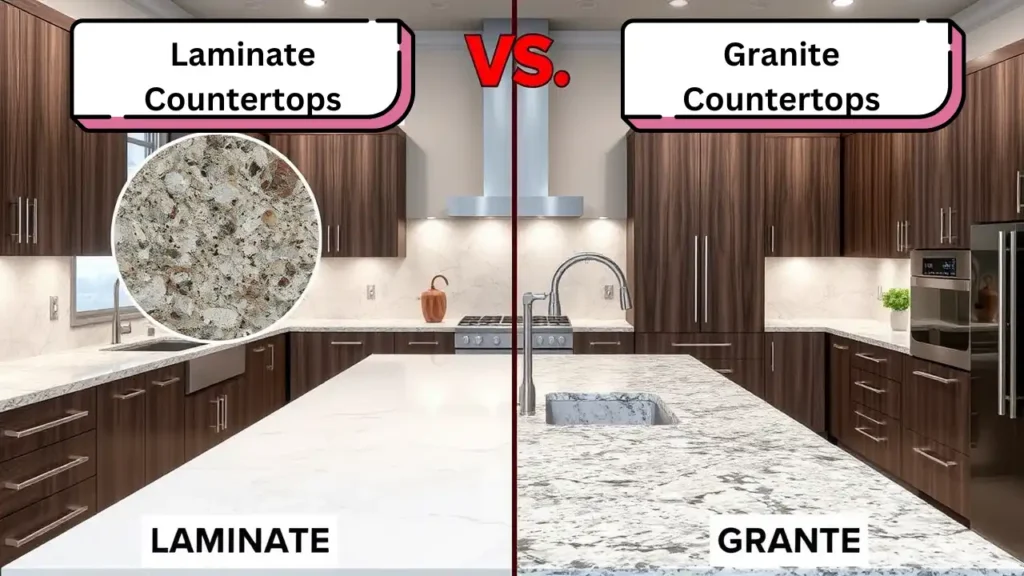
Home / Countertops play a crucial role in both the functionality and aesthetics of a kitchen or bathroom. They serve as a daily workspace for meal prep, cooking, and other household tasks while enhancing the space’s overall design. With so many options available, selecting the right material can be challenging, especially when considering durability, cost, and maintenance. When comparing laminate countertops vs granite, homeowners often debate between affordability and long-term value. Laminate offers a budget-friendly solution with various styles, including designs that mimic natural stone. On the other hand, granite is known for its timeless appeal, durability, and ability to increase home value. But which one is the better choice for your needs? Let’s break down the key differences to help you decide. What is Laminate? Laminate countertops are a popular choice for homeowners looking for an affordable yet stylish surface option. These countertops are made by layering sheets of plastic resin and decorative paper over a core material, usually particleboard or MDF (medium-density fiberboard). The result is a lightweight, durable, and budget-friendly alternative to natural stone. One of the biggest advantages of laminated countertops is their wide range of colors and patterns, including realistic stone-like designs that closely resemble high-end materials like granite and marble. The manufacturing process of laminate counters involves high-pressure bonding, where heat and pressure fuse the layers to create a smooth, durable surface. Thanks to advancements in technology, you can now find laminate countertops that look like granite, offering the aesthetic appeal of natural stone without the hefty price tag.  However, while laminate is resistant to stains and easy to clean, it is not as heat or scratch-resistant as granite. This makes it a great option for homeowners on a budget who want stylish, low-maintenance surfaces, but those seeking long-term durability may still consider laminate or granite countertops, depending on their needs. What is Granite? Granite is a natural stone formed over millions of years through the slow crystallization of magma beneath the Earth’s surface. Composed mainly of quartz, feldspar, and mica, granite is known for its stunning patterns, rich color variations, and exceptional durability. Unlike manufactured materials, every granite slab is unique, offering homeowners a one-of-a-kind countertop that enhances the beauty of any kitchen or bathroom. Its natural strength makes it resistant to heat, scratches, and everyday wear, making it a top choice for those who prioritize longevity and elegance. To transform raw granite into countertops, the stone is quarried from large rock formations, cut into slabs, and then polished to achieve a smooth, glossy finish. Skilled fabricators shape and refine the slabs to fit specific countertop designs, ensuring a seamless installation.  When comparing laminate countertops vs granite, the key differences lie in durability and cost. While granite offers unmatched natural beauty and longevity, it requires sealing to prevent stains and can be more expensive than laminate. However, for homeowners looking for a long-term investment that adds value to their property, granite remains a timeless and luxurious option. Is There Laminate That Looks Like Granite? Yes, modern technology has made it possible to create laminate countertops that look like granite, offering homeowners an affordable alternative to natural stone. With advancements in high-definition printing and textured surfaces, laminate manufacturers can now replicate the intricate veining, depth, and color variations found in real granite. Some premium laminate options even feature a slightly rough texture, mimicking the feel of polished stone for a more realistic appearance. These innovations allow homeowners to enjoy the elegance of granite without the high cost or maintenance requirements. When comparing granite vs laminate, it’s important to weigh the pros and cons of choosing a laminate that mimics stone. On the plus side, laminate is budget-friendly, non-porous, and easy to clean, making it a great option for busy households. However, while it can achieve a similar aesthetic, it lacks the natural durability of granite and may not add the same resale value to a home. Deciding between laminate countertops vs granite comes down to priorities. Those seeking long-lasting performance may prefer granite, while homeowners wanting style on a budget may find laminate a practical and stylish choice. Cost Comparison: How Much More Expensive is Granite Than Laminate? When choosing between laminate or granite countertops, cost is often a deciding factor. Laminate is the more budget-friendly option, typically ranging from $20 to $50 per square foot, including installation. On the other hand, granite countertops cost significantly more, usually between $40 to $200 per square foot, depending on the stone’s rarity, thickness, and origin. Custom edge profiles, sealing, and professional installation further add to the expense of granite, making it a larger upfront investment compared to laminate. Several factors influence the price difference, including durability, maintenance, and installation complexity. Laminate is easy to install and requires minimal upkeep, making it a cost-effective solution for homeowners on a budget. However, it lacks the long-term durability of granite, which can last decades with proper care.  While granite countertops cost more initially, they increase home value, resist heat and scratches, and offer timeless appeal. If you’re planning to stay in your home long-term, granite can be a worthwhile investment, whereas laminate provides an affordable and stylish solution for those looking to save on remodeling costs. Is Granite Better Than Laminate? The choice between laminate countertops vs granite depends on your priorities. If durability is your main concern, granite is the clear winner. It resists heat, scratches, and daily wear, lasting for decades with proper care. In contrast, laminate is more prone to scratches and damage from heat, making it less durable in the long run. However, laminate offers a cost-effective solution with modern designs that can mimic the look of real stone. When it comes to maintenance, laminate requires little upkeep, just regular cleaning with mild soap and water. Granite, on the other hand, needs periodic sealing to prevent stains and maintain its polished appearance. Aesthetically, granite provides a high-end, natural look that adds resale value to a home, while laminate is ideal for budget-conscious homeowners seeking

Laminate Countertops vs Granite: What’s Better? Read More »

Top 10 Most Popular Granite Colors of 2024

Top 10 Most Popular Granite Colors of 2025

Home Granite Colors have long been celebrated for their unmatched beauty and versatility in kitchen and bathroom design. As a natural stone, granite offers a unique blend of patterns and shades, ranging from soft, neutral tones to bold, striking hues. Each slab tells its own story, making it a distinctive choice for homeowners seeking elegance and durability. Granite’s vast color spectrum not only enhances the aesthetic appeal of a space but also adds a touch of timeless sophistication that never goes out of style. When designing your dream kitchen or bathroom, the right granite colors can make all the difference. They help set the mood, create visual harmony, and complement other design elements like cabinets and flooring. Beyond their aesthetic charm, granite countertops are known for their incredible resilience against heat, scratches, and stains, making them both practical and luxurious. With so many options to choose from, granite remains a top contender for those looking to elevate their home’s interior. Top-3 Trends in Granite Kitchen Countertop Design 2025 Neutral Tones and Subtle Veining Neutral granite colors, such as white, gray and beige are top kitchen design trends in 2025. Their clean and modern appearance make them appealing for minimalist or contemporary spaces, while subtle veining patterns offer elegance without overwhelming the design. This allows the design styles in the kitchen to compliment the neutral stone without competing with it. Paired with bold cabinetry or earthy tones such as soft red hues for maximum effect – neutral granite adds sophistication and refinement when placed prominently on an island! For homeowners searching for granite near me, these timeless options offer both style and practicality. Bold Patterns and Striking Colors Statement and daring granite patterns with bold colors are certain ways to make their kitchen show-stopping, from black granite with gold or white veining and chic patterns, to statement pieces like black granite with gold veining and white veining, a designer. Daring patterns look best in contemporary kitchens where statement pieces such as bold countertops or islands can make a rigorous visual and fashion statement. These brave patterns look beautiful paired with more austere cabinet designs and modern lighting creating an engaging kitchen design that also impresses their guests. Natural and Earthy Hues 2025 represents a burst of natural and earthy tones such as green and brown granite as sustainable and nature-centered designs go mainstream. These tones evoke a relaxing environment while connecting us to nature, making them the perfect way to form warm and inviting spaces. These earthy tones work well with wood cabinetry and organic material, and when you incorporate countertops with earthy tones, you create a strong focal point in your kitchens (especially in central islands) that pull together the nature-inspired interior design into the overall space. 10 Popular Granite Colors This 2025 Season Granite continues to be one of the most popular materials for countertops because of its beautiful colors and patterns and its remarkable resilience. A renovation is on the horizon in 2025? These trending granite colors in 2025 are sure to give something interesting and different to every space – choose a light color with a background feel, or go with a dark hue and dramatic look, all while adding beauty and depth. 1. Absolute Black Granite Absolute Black Granite is a classic option praised for its dark, uniform color. It is a striking option that will offer a modern, sleek touch to your kitchen or bathroom. In a minimalist design, dark colors show nicely against lighter colored cabinetry.  Origin: India Price: $50–$70 per square foot 2. White Ice Granite White Ice Granite showcases an eye-catching mix of white and gray shades with a light sprinkle of black, resulting in a refined color combination. The lighter tone naturally brightens a space, especially beneficial in smaller kitchens. Origin: Brazil Price: $60–$80 per square foot 3. Blue Pearl Granite Blue Pearl Granite is a colorful and fun option that stands out with its sparkling blue and silver tones. This blue granite can look great with dark cabinetry to create a beautiful kitchen look. Origin: Norway Price: $70–$100 per square foot 4. Alaska White Granite Alaska White Granite combines soft white and gray tones with delicate black veins, creating a sophisticated and adaptable color palette. Its neutral tone creates a balanced fit with both modern and traditional décor. Origin: Brazil Price: $60–$90 per square foot 5. Bianco Antico Granite Bianco Antico Granite is a beautiful option that features a blend of white, grey, taupe and subtle pink hues. The complex colors and patterns provide warmth and sophistication to any countertop surface. Origin: Brazil Price: $70–$100 per square foot 6. Verde Butterfly Granite Verde Butterfly Granite features deep green shades, sprinkled with gold, black, and white flecks, and would be ideal for earth-toned or nature-based designs and would provide character and depth to any kitchen or bathroom. Origin: Brazil Price: $40–$60 per square foot 7. Santa Cecilia Granite Santa Cecilia Granite is a classic option. This is a warm beige granite with black and burgundy specks. The light color granite provides a friendly and intimate feeling for kitchens and bathrooms. Origin: Brazil Price: $50–$70 per square foot 8. Colonial Gold Granite Colonial Gold Granite features creamy white and gold hues alongside soft gray veining. This granite is a great choice for any homeowner wanting to bring a bit of luxury to their kitchen or bathroom. Origin: India Price: $60–$90 per square foot 9. Tan Brown Granite Tan Brown Granite showcases a striking array of black, brown, and deep red hues, making it an ideal candidate for spaces that fully embrace darker colors. Its bold presence works well in both modern and rustic designs. Origin: India Price: $40–$60 per square foot 10. Steel Grey Granite Steel Grey Granite offers a subtle and modern look with its smooth blend of gray tones. Its understated elegance makes it perfect for contemporary kitchens with a focus on white and gray elements. Origin: India Price: $50–$70 per square foot These popular granite colors for 2025

Top 10 Most Popular Granite Colors of 2025 Read More »

How to Install Decomposed Granite for Patios & Driveways

How to Install Decomposed Granite for a Beautiful Outdoor Space

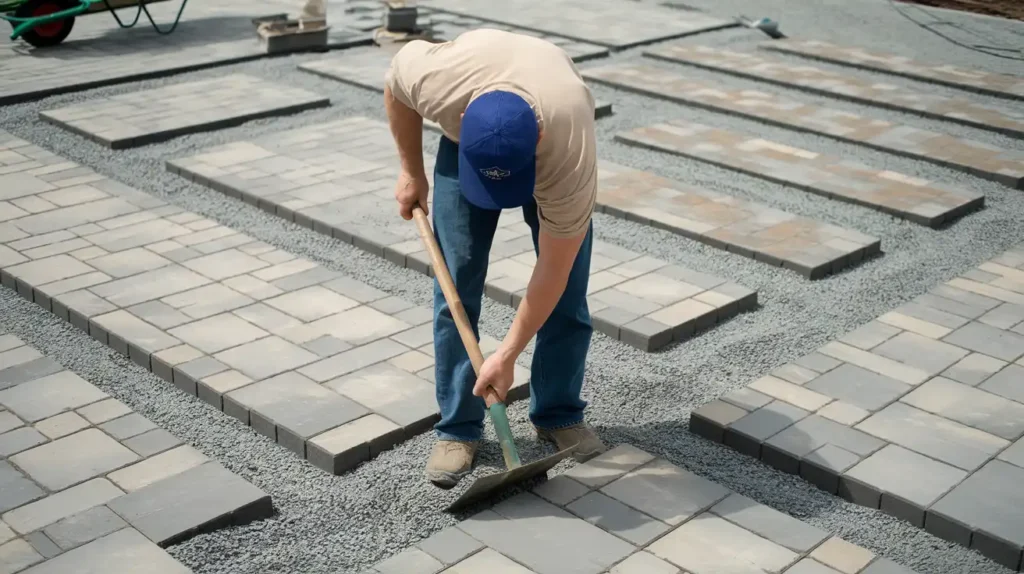
Home How to Install Decomposed Granite has become a popular topic for homeowners and landscapers seeking a cost-effective and visually appealing solution for outdoor projects. Decomposed granite (DG) is a natural material formed from weathered granite rock, offering a rustic yet refined texture that enhances pathways, driveways, patios, and gardens. Its versatility and affordability make it an excellent choice for both large-scale and DIY landscaping ventures. Beyond its aesthetic appeal, DG is valued for its practicality and sustainability. It provides excellent drainage, resists erosion, and requires minimal maintenance, making it ideal for creating durable, eco-friendly outdoor spaces. Whether you’re looking to upgrade your backyard or construct a driveway, decomposed granite is a reliable and adaptable option for transforming your vision into reality. What is Decomposed Granite? Decomposed granite (DG) is a finely weathered material derived from the natural breakdown of granite rocks over time. This crushed, gravel-like substance is known for its earthy appearance and texture, making it a popular choice in landscaping. Its composition typically includes a mix of gravel, sand, and silt, providing a soft yet stable consistency ideal for outdoor applications. For those considering granite installation, DG offers a durable and aesthetically pleasing option. There are three types of decomposed granite to consider: natural DG, stabilized DG, and resin-coated DG. Natural DG offers a loose, organic texture, while stabilized DG includes a binder for added firmness. Resin-coated DG is the most durable, creating a weather-resistant surface ideal for high-traffic areas. Whether installing DG for pathways, patios, or driveways, its versatility and natural look suit many landscaping projects. Benefits of Installing Decomposed Granite Cost-Effectiveness and Affordability Decomposed granite is a budget-friendly option for enhancing outdoor spaces. Its low cost compared to other materials makes it an excellent choice for large or small landscaping projects. Low Maintenance Requirements Once installed, DG requires minimal upkeep, saving time and effort. Its stable surface resists erosion and holds up well under various weather conditions, ensuring durability with little maintenance. Aesthetic Appeal and Natural Look The earthy tones of DG blend seamlessly with outdoor spaces, providing a natural, rustic charm. It enhances the beauty of gardens, pathways, and patios with its organic appearance. Versatility for Various Applications DG is eco-friendly and adaptable, suitable for patios, driveways, pathways, and filling paver joints. Its stable surface and drainage properties make it an excellent material for diverse landscaping needs. How to Install Decomposed Granite Installing decomposed granite (DG) is a straightforward process that delivers professional results for a variety of landscaping projects. Often recommended by landscape architects, DG is a cost-effective and versatile paving material ideal for patios, pathways, driveways, and more. Whether you’re using natural or stabilized decomposed granite, proper preparation ensures a stable and long-lasting surface. Tools and Materials Needed To install decomposed granite, you’ll need the following: Decomposed granite (natural or stabilized DG) Stabilizer (if using stabilized decomposed granite) Tamper or plate compactor Landscaping fabric Shovel, rake, and wheelbarrow Measuring tape Step-by-Step Installation Guide 1. Preparation and Planning Begin by measuring the area where you plan to install decomposed granite. Use these measurements to calculate the amount of DG required, allowing for a depth of 2-4 inches depending on the application. If opting for stabilized DG, ensure you also account for the binder material. 2. Site Preparation Clear the area of any existing vegetation, rocks, or debris. Level the ground using a shovel or rake to create a smooth, even surface. If the area is prone to poor drainage, consider slightly sloping the surface to prevent water accumulation. 3. Adding Base Layers Place landscaping fabric over the cleared area to prevent weed growth and enhance stability. For driveways or high-traffic zones, add a base layer of crushed rock or gravel to further stabilize the foundation. 4. Laying the Decomposed Granite Spread the DG evenly across the area using a shovel and rake. For stabilized decomposed granite, mix the DG with the stabilizer according to the manufacturer’s instructions before spreading. Maintain a consistent thickness to ensure an even finish. 5. Compacting and Finishing Use a tamper or plate compactor to compress the DG, creating a firm and stable surface. For pathways or patios, lightly spray the area with water to help settle the material. Repeat the compaction process as needed until the surface feels solid and smooth. By following these steps, you can install decomposed granite with ease, creating a durable and visually appealing addition to your outdoor space. Whether for decorative pathways or functional driveways, DG is a reliable and sustainable choice in modern landscaping. How Much Decomposed Granite Do You Need? Step Details Example Calculation 1. Measure Area Measure the length and width of the installation area in feet. Length = 20 ft, Width = 10 ft 2. Convert Depth Convert the desired depth from inches to feet (Depth ÷ 12). Depth = 3 inches → 0.25 ft 3. Calculate Volume Multiply Length × Width × Depth to get total volume in cubic feet. 20 × 10 × 0.25 = 50 cubic feet 4. Convert to Cubic Yards Divide the total cubic feet by 27 to convert to cubic yards (if needed). 50 ÷ 27 ≈ 1.85 cubic yards 5. Add Wastage Allowance Add 10-15% extra for wastage and settling (multiply total by 1.1 or 1.15). 1.85 × 1.15 ≈ 2.13 cubic yards   Tips for Ordering Always confirm with your supplier about the type of DG (natural, stabilized, or resin-coated) and its coverage rate. For irregular or sloped areas, increase the wastage allowance to 15-20%. It’s better to slightly overestimate than to risk running out of material mid-project. This table ensures accuracy and simplifies the process of estimating decomposed granite for your project. How to Install Decomposed Granite Between Pavers Decomposed granite (DG) is an excellent material for filling gaps between pavers, offering a natural and durable solution for creating solid, stable surfaces. Not only does DG complement the rustic look of a paver pathway, but it also promotes good drainage, preventing water from pooling between the stones. When installed

How to Install Decomposed Granite for a Beautiful Outdoor Space Read More »

How to Change the Color of Your Granite Countertops

How to Change the Color of Your Granite Countertops for a Modern Style

Home How to Change the Color of Your Granite Countertops is a popular option for homeowners looking to refresh their kitchen or bathroom without the expense and hassle of full countertop replacement. Granite countertops, while durable and timeless, can sometimes feel outdated or mismatched with evolving interior designs. Changing the color can breathe new life into your space, providing a cost-effective solution that aligns with your personal style and the latest trends. Updating your granite countertops allows you to customize the look of your home, whether you’re aiming for a sleek, modern aesthetic or a more classic, elegant vibe. There are several ways to change the color without the need for a complete overhaul, including painting, using specialized sealers, or applying epoxy finishes. These methods offer flexibility, affordability, and a way to achieve a fresh look with minimal disruption. Granite Countertop Painting Advantages and Disadvantages Advantages of Granite Countertop Painting Cost-Effective Solution Painting granite countertops is a budget-friendly alternative to replacing your existing granite slabs. For homeowners seeking a quick and affordable transformation, this method delivers impressive results without the expense of purchasing and installing new high-quality granite counters. Customizable Color Options One of the biggest advantages of painting granite countertops is the ability to choose from a wide range of colors and finishes. Whether you want a bold, modern statement or a subtle, classic tone, painted countertops offer a versatile solution to match your vision without compromising on style. Quick and Efficient Update For those looking to modernize their space, granite countertop painting offers a fast and effective way to achieve the desired look. We ensure a high-quality finish that enhances the beauty of your existing granite counters, giving them a fresh and contemporary appeal. Disadvantages of Granite Countertop Painting Temporary Durability While painting granite countertops is an excellent short-term solution, it may not offer the same long-term durability as natural granite slabs. Over time, the painted surface can wear or fade, especially in high-use areas like kitchens, which might require periodic maintenance. Wear and Tear Risks Painted countertops are more vulnerable to scratches and chips compared to their original granite finish. Although our professional services at SF Marble & Granite use advanced techniques to minimize this risk, it’s important to understand that painted surfaces require proper care to maintain their appearance. Limitations Compared to Natural Granite Although painting can refresh your countertops, it cannot fully replicate the depth, texture, or natural patterns of granite slabs. Customers looking for the unmatched elegance of natural stone may prefer exploring other options, which we are happy to provide. By trusting SF Marble & Granite, you can enjoy professional results that enhance the look of your granite counters while ensuring quality and reliability. How to Change the Color of Your Granite Countertops Without Replacing Updating the color of your granite countertops can significantly enhance the overall look of your kitchen or bathroom without the need for a complete countertops installation. For homeowners seeking a fresh, modern aesthetic, there are professional methods to transform the appearance of granite surfaces while preserving their durability. We offer expert services to ensure a flawless finish and lasting results. Professional Techniques for Changing Granite Countertop Color   1. Painting for a New Look One of the most effective ways to refresh granite is by professionally painting the surface. This method allows for precise application of high-quality coatings tailored to your desired style. Painting not only modernizes the look but also helps hide minor imperfections caused by wear and tear. Our team ensures the surface is properly prepared and sealed for a durable and beautiful result. 2. Using Color-Enhancing Sealers Color-enhancing sealers are a fantastic option for deepening and revitalizing the natural tones of your granite. These sealers work by enhancing the stone’s inherent patterns and colors, giving it a polished and rejuvenated appearance. This method is ideal for maintaining the stone’s original beauty while achieving a refreshed look for your countertops. 3. Applying Epoxy Resin for a High-Gloss Finish For those looking to create a striking and luxurious finish, epoxy resin is an excellent solution. This technique involves applying a specialized resin that forms a smooth, glossy surface over your granite. The result is a stunning, modern look that adds sophistication to any home renovation project. Epoxy resin also provides added protection against wear and tear, ensuring your countertops remain in excellent condition. Step-by-Step Process   Surface Assessment Before beginning, our team evaluates the condition of your granite countertops to determine the best approach. Factors such as wear and tear, existing sealants, and your desired outcome are all considered. Surface Preparation Thorough cleaning and preparation are essential to ensure a long-lasting finish. We remove any dirt, grease, or old sealants to create a smooth base for the new application. Application of the Chosen Technique Depending on the selected method whether painting, color-enhancing sealers, or epoxy resin we apply the materials with precision to achieve a high-quality finish. Final Sealing and Polishing Once the process is complete, we apply a protective sealant to ensure durability and resistance to stains, extending the life of your refreshed countertops. Transforming the look of your granite surfaces doesn’t have to involve a full replacement. By using professional techniques like painting, sealers, or epoxy finishes, SF Marble & Granite can help you achieve a stunning update that enhances your home renovation project while maintaining the durability and beauty of your countertops. Let us help you discover how to change the color of your granite countertops with ease and expertise. Outdated Granite Countertops? Here’s How to Fix It Granite countertops are known for their timeless elegance and durability, but even high-quality stone can begin to feel outdated over time. Whether it’s the dark, heavy tones of brown granite countertops or patterns that no longer complement modern decor, refreshing the look of your granite can dramatically enhance your kitchen and bathroom spaces. Knowing when to update is key to ensuring your countertops continue to enhance your home’s aesthetic. When Do Granite Countertops Need a

How to Change the Color of Your Granite Countertops for a Modern Style Read More »

can you put hot pots on granite

Can You Put Hot Pots on Granite?

Home Granite countertops are a popular choice in many kitchens because of their beauty, durability, and resistance to stains. However, when it comes to placing hot pots on granite, many homeowners wonder whether this natural stone can withstand the heat without getting damaged. So, can you put hot pots on granite? Let’s explore this common concern and find out the best practices to keep your granite countertops safe and looking their best. Understanding Granite’s Heat Resistance Granite is an igneous rock, formed from the slow crystallization of magma beneath the Earth’s surface. It is made up of minerals like quartz, feldspar, and mica, which contribute to its strength and heat resistance. One of the reasons granite is so popular in kitchens is because it is naturally resistant to heat compared to other countertop materials.  This heat resistance comes from granite’s ability to withstand high temperatures without warping or melting. Granite countertops can typically handle the heat from a hot pan or a pot without showing signs of immediate damage. However, the level of heat that granite can safely endure varies, and certain precautions should still be taken to avoid potential harm. What Happens When You Place Hot Pots on Granite? When you place a hot pan or pot on granite, the heat is transferred from the hot surface of the pan to the cooler granite surface. Granite is capable of absorbing this heat up to a certain point without any visible damage. However, placing extremely hot items directly on the countertop may cause some issues over time. While granite is heat-resistant, extreme temperatures, especially those above 500 degrees Fahrenheit, can cause problems. At these high temperatures, the surface may start to show signs of thermal stress, which can lead to cracking or discoloration. The intensity of the heat, combined with rapid cooling (for example, putting a hot pan on a cold countertop), can create a significant risk of thermal shock. The Risk of Thermal Shock Thermal shock occurs when a material experiences a rapid change in temperature, which causes it to expand or contract unevenly. For granite, this could mean cracking, chipping, or breaking under intense heat. This is especially true when putting hot pans or hot pots directly on the surface without proper heat protection.  Granite countertops are sturdy, but extreme heat and sudden temperature fluctuations can stress the stone, leading to cracks. Even if granite doesn’t crack immediately, repeated exposure to high heat without protection can weaken the material over time. Therefore, while it’s possible to put hot pots on granite, using a hot pad or trivet is always recommended to reduce the risk of damage. Best Practices to Protect Granite from Heat If you’re wondering how to protect your granite countertops from extreme heat, there are a few simple steps you can take. While granite is naturally resistant to heat, it’s still important to follow best practices to maintain its integrity over the long term. 1. Use Trivets or Hot Pads: Always place hot pans, pots, or baking sheets on trivets or heat-resistant pads. These act as a buffer between the intense heat of the cookware and your granite countertop. 2. Avoid Direct Contact with Hot Items: Even though granite can handle high temperatures, it’s a good idea to avoid placing hot items directly on the countertop. Use cutting boards or heat-resistant mats to protect the surface. 3. Be Mindful of High Temperatures: Although granite can resist heat from a hot pan on granite, there are limits to its tolerance. Avoid placing items that have been exposed to high heat (above 500°F) directly on the surface. This includes pots fresh from the oven or stovetop. 4. Use Coasters for Hot Mugs: In addition to pots and pans, avoid placing hot beverages, like coffee mugs, directly on your granite countertop. Use coasters to shield the surface from heat. The Role of Sealing in Heat Protection Granite countertops are naturally porous, so sealing is an important step to ensure the stone remains protected from stains and other damage. However, sealing does not necessarily increase the granite’s resistance to heat. A sealed granite countertop will help protect against spills, oils, and liquids, but it will not provide extra protection against extreme temperatures.  Regularly sealing your granite countertops will help preserve their appearance, but it should not be relied upon for protection against high temperatures. The key to avoiding damage from hot pots and pans is proper care and use of heat-resistant barriers. Common Myths About Granite and Heat There are many misconceptions about granite and its ability to handle heat. Let’s take a look at some of the most common myths: 1. Granite Can Withstand Any Heat: While granite is durable and heat-resistant, it’s not impervious to extreme heat. Placing hot pots on granite repeatedly without protection can lead to thermal shock or permanent damage over time. 2. Granite Doesn’t Need Protection from Hot Items: Some people believe that granite is so durable that it can handle the hottest cookware without any issue. This is not true. Extreme temperatures can cause damage, especially if a hot pan or pot is placed directly on the granite. 3. Sealing Granite Protects It from Heat: As mentioned earlier, sealing granite helps protect against stains, but it doesn’t provide extra protection against heat. Always use a hot pad or trivet when placing hot items on the countertop. Hot Pots Got You Worried? SF Marble & Granite Keeps Your Granite Gorgeous! At SF Marble & Granite Inc., we’re passionate about keeping your granite looking its best. Whether you need Granite Installation, Repair and Fabrication in Lowell because of heat damage or just want to keep your surfaces in top shape, we’re here to help. Think of us as your partners in beautiful, long-lasting granite! Conclusion So, can you put hot pots on granite? While granite is heat-resistant, it’s important to take precautions when handling hot items. To protect your countertop from heat damage, always use trivets or hot pads when placing hot pots and

Can You Put Hot Pots on Granite? Read More »

Black And White Granite Countertops

Black And White Granite Countertops: Which Is Right For You?

Home Black and white granite countertops are a timeless and elegant choice for any kitchen or bathroom. They offer a classic look that can complement a variety of design styles, from traditional to modern. However, choosing between black and white granite can be a difficult decision. In this article, we will explore the pros and cons of each color to help you make an informed decision. Black granite countertops Black granite countertops are renowned for their sleek elegance and durability. Their deep, rich color adds a touch of sophistication to any kitchen or bathroom, making them a popular choice for homeowners seeking a luxurious look. Black granite is highly durable, resistant to scratches, and relatively low maintenance, requiring only regular cleaning to keep it pristine. However, it can show dust and smudges more prominently and may darken smaller spaces. Despite the higher cost, the timeless appeal and versatility of black granite countertops make them a worthwhile investment, enhancing both the aesthetic and functional value of your home. Pros Of Black Granite Countertops Black granite countertops are a bold and dramatic choice. They can make a statement in any kitchen or bathroom. Elegance and Sophistication Black granite countertops epitomize luxury and sophistication, transforming your kitchen or bathroom into a high-end space. Their sleek, polished finish exudes elegance, making them a focal point in any room. The rich, dark hue of black granite adds depth and drama, enhancing the overall aesthetic. Not only do they elevate the visual appeal, but they also imply a sense of exclusivity and timeless charm. Installing black granite countertops can significantly upgrade your home’s ambiance, making it appear more expensive and refined. Their durability and easy maintenance are added bonuses, ensuring both beauty and functionality in your living spaces. Durability Granite countertops are renowned for their exceptional durability. As one of the hardest natural stones, granite is highly resistant to heat, chips, and scratches. This makes it an ideal material for kitchen and bathroom surfaces, where daily wear and tear are common. The robust nature of granite ensures that countertops maintain their pristine appearance even after years of use. Additionally, granite’s resistance to heat means you can place hot pots and pans directly on the surface without damage. Its durability and longevity make granite a preferred choice for homeowners seeking both beauty and functionality in their countertops. Versatility Black granite countertops offer remarkable versatility, seamlessly fitting into various design styles from traditional to modern. Their timeless appeal allows them to be paired with both light and dark cabinets, creating striking contrasts or harmonious blends. Additionally, black granite can be matched with a wide range of backsplash materials, from classic subway tiles to intricate mosaics. This adaptability makes black granite a popular choice for homeowners looking to achieve a cohesive and elegant kitchen or bathroom design. Its ability to enhance different aesthetics while maintaining a luxurious feel underscores its universal appeal in interior design. Low Maintenance Granite countertops are renowned for their low maintenance. To keep them looking pristine, simply wipe down the surface with a damp cloth to remove dirt and grime. The polished finish of granite creates a non-porous surface that resists stains and spills, making cleanup a breeze. Unlike other countertop materials that may require special cleaning products or frequent sealing, granite maintains its beauty with minimal effort. This ease of maintenance makes granite an ideal choice for busy households, where functionality and aesthetics go hand in hand. Enjoy the timeless elegance of granite with very little upkeep. Cons Of Black Granite Countertops   Visibility of Dust and Smudges Black granite countertops, while elegant, tend to show dust and smudges more prominently than lighter colors. The dark surface highlights particles and fingerprints, which can make the countertops appear less clean. Regular wiping with a damp cloth can help maintain their polished look. Despite this minor drawback, the timeless appeal and sophistication of black granite often outweigh the need for frequent cleaning. Many homeowners find the beauty and durability of black granite countertops well worth the extra maintenance effort required to keep them looking pristine. Darkening of the Space While black granite countertops are stunning, they can make a space feel darker and smaller. The deep, rich color absorbs light, which can reduce the sense of openness in a room. This effect is more pronounced in smaller kitchens or bathrooms with limited natural light. To counterbalance this, consider incorporating lighter elements, such as white or light-colored cabinets, and ample lighting fixtures. These design choices can help maintain a sense of balance and prevent the space from feeling too enclosed. Despite this challenge, the elegance and sophistication of black granite continue to make it a popular choice. Higher Cost Black granite is often more expensive than other countertop materials due to its rarity and the labor-intensive process required to extract and polish it. The high cost reflects the quality and durability of the stone, as well as its aesthetic appeal. Black granite’s sophisticated look and longevity make it a premium choice for countertops, but the investment is significant. Homeowners should consider this expense when planning their budgets. Despite the higher upfront cost, many find the elegance and timeless appeal of black granite worth the investment for a luxurious and durable kitchen or bathroom surface. White granite countertops White granite countertops are celebrated for their bright, airy appearance that can make any kitchen or bathroom feel more spacious and welcoming. They reflect light beautifully, enhancing the overall ambiance. Versatile and timeless, white granite pairs well with various cabinet colors and design styles, ensuring lasting appeal. However, white granite requires regular maintenance to prevent staining and visible wear. Despite these considerations, its elegant and clean look makes it a popular choice for homeowners seeking a fresh and classic aesthetic. Proper care ensures white granite countertops remain stunning and functional for years to come. Pros Of White Granite Countertops White granite countertops are a bright and airy choice. They can make a space feel larger and more open. Bright

Black And White Granite Countertops: Which Is Right For You? Read More »

does-quartzite-stain

Does Quartzite Stain? How to Protect and Clean Your Countertops

Quartzite is a natural stone known for its stunning patterns, strength, and durability, making it a popular choice for countertops, vanities, and backsplashes. Many homeowners wonder does quartzite stain, especially when exposed to water, oils, or acidic substances. While quartzite is highly resistant compared to softer stones like marble, proper care and maintenance are key to keeping its surface looking flawless. Understanding how to clean, seal, and protect quartzite ensures it retains its beauty for years while minimizing the risk of stains or damage. Understanding Quartzite Quartzite is a natural stone formed from sandstone under heat and pressure. It’s strong, elegant, and often chosen for modern homes. Many people ask, Does quartzite stain, and the answer depends on its natural properties and maintenance. How Quartzite Differs from Granite and Marble Granite: Similar durability but with more grain patterns. Marble: Softer, more likely to scratch or stain. Quartzite: Harder than marble, stylish like marble, yet nearly as resilient as granite. Natural Properties That Affect Staining Dense but slightly porous, which means sealing is important. Can resist most spills but may need quick cleaning to avoid marks. Without care, water or oils can leave faint stains over time. Why Homeowners Love Quartzite A stylish look that mimics the beauty of marble. Long-lasting strength, perfect for quartzite countertops. Easy to care for when you know how to remove stains from quartzite. Adds value to kitchens, vanities, and backsplashes. At SF Marble and Granite, we help homeowners choose and care for quartzite so it keeps its natural shine for years. Can Quartzite Stain Homeowners often ask, Does quartzite stain, especially when used in busy kitchens. While quartzite is harder and denser than marble, it still has small pores that can absorb liquids if not sealed. Factors That Make Quartzite Prone to Stains Lack of proper sealing Spills left too long on the surface Oils and dark liquids that penetrate pores Common Types of Stains Quartzite water stains: Appear as cloudy rings or spots when water seeps in Oil stains: From cooking oils or greasy foods Wine and coffee: Leave darker marks if not cleaned quickly Acidic spills: Cause etching, which looks like dull spots rather than stains Using the right cleaning solutions, like a professional-grade stain out, helps remove marks without damaging the stone. Regular sealing and quick cleanup are the best ways to keep quartzite surfaces looking fresh. How to Prevent Stains on Quartzite A common concern is whether quartzite stains over time. The answer is yes, but with the right care and sealing, you can easily protect the surface. Importance of Sealing Quartzite Surfaces Sealing reduces the risk of stains and etching on quartzite. Most quartzite should be sealed once every 1–2 years. Professional granite fabrication teams often provide sealing during installation. Best Sealers and Application Tips Choose high-quality, penetrating sealers for long-lasting protection. Apply evenly with a soft cloth, let it soak, and wipe off excess. Reapply sooner in busy kitchens or bathrooms. Daily Precautions and Cleaning Habits Clean spills immediately, especially oils, wine, or coffee. Use mild soap and warm water for daily cleaning. Avoid harsh chemicals or rough pads that may damage the surface. When comparing quartzite vs granite, both are durable, but quartzite needs a bit more attention to sealing. With simple care, your quartzite will keep its natural shine for years. How to Remove Stains from Quartzite Wondering if quartzite stain? While quartzite is durable, stains can appear if spills are left untreated. Knowing how to remove stains from quartzite helps keep your surfaces spotless. Water and light marks – Wipe with warm water and a mild cleaner to clean quartz effectively. Oil stains – Apply a baking soda paste, leave for a few hours, then rinse. Wine or acidic spills – Use a pH-neutral stone cleaner instead of harsh chemicals. Tough stains – For deeper marks, call professionals for safe treatment instead of risking damage. By acting quickly and using gentle methods, you can keep quartzite looking fresh without dullness or damage Maintenance & Care Tips Homeowners often ask, Does quartzite stain with daily use? The answer depends on how well you maintain it. Quartzite is strong, but like any natural stone, it needs care. Regular cleaning – Wipe spills quickly with warm water and a soft cloth to avoid quartzite water stains. Recommended products – Use pH-neutral stone cleaners instead of harsh chemicals. They’re gentle and effective. Sealing – Reseal your quartzite once a year to keep it stain-resistant and protected from etching. Long-term care – Avoid dragging heavy pots or tools across the surface, which also applies to marble floor installation and other natural stone. Working with a trusted stone supplier ensures you get quality quartzite that lasts longer with proper care. Why Choose Professional Help Many homeowners worry, does quartzite stain over time? While basic cleaning works for light marks, deeper stains and etching on quartzite often need expert care. Expert solutions – Professionals know how to treat stains safely without harming the stone. Proper sealing – Incorrect sealing can leave quartzite exposed. Expert countertop installation services ensure lasting protection. Avoiding damage – DIY fixes sometimes worsen the problem. Instead, searching for trusted granite countertops near me helps you find skilled teams for long-term care. With professional help, quartzite stays polished, strong, and beautiful for years. get a free quote Final Thought Quartzite stands out for its durability, elegance, and timeless charm. While many wonder does quartzite stain, the answer is simple: with sealing, regular cleaning, and quick action on spills, this stone keeps its beauty for years. For expert guidance and reliable service, SF Marble and Granite is here to help you maintain quartzite with confidence. FAQs Does quartzite stain easily? Quartzite is less porous than marble, but it can stain if spills are left unsealed or untreated. Regular sealing helps reduce the risk. How do I remove stains from quartzite without damage? Light marks can be cleaned with warm water and a mild cleaner. For deeper stains, follow safe methods

Does Quartzite Stain? How to Protect and Clean Your Countertops Read More »

Scroll to Top