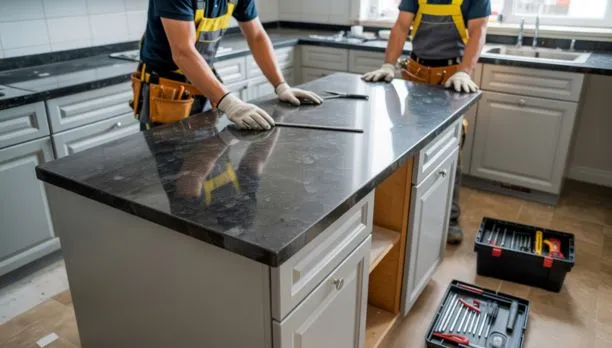
How to Remove Granite Countertops Safely and Easily
How to remove granite countertops is a task many homeowners face when remodeling their kitchens or repairing cabinets. At SF Marble and Granite Inc., we know granite is strong and beautiful, but when it’s time for a new look or structural updates, safe removal is the first step. People usually remove granite countertops to upgrade to modern designs, replace damaged cabinets, or even reuse the slab in another space. Taking out granite incorrectly can cause cracks in the stone, damage to cabinets, or costly repairs. That’s why it’s essential to follow the correct process and utilize the proper tools. In this guide, we’ll share a clear, step-by-step approach that makes the removal easier, safer, and more effective so you can move forward with your project confidently. Reasons for Removing Granite Countertops Many homeowners search for how to remove granite countertops when planning kitchen updates or tackling repairs. At SF Marble and Granite, we know granite is durable and stylish, but sometimes it no longer fits your design or functional needs. Whether you want a fresh look or need access to the cabinets below, there are several reasons people consider removal. Outdated design or color preference that no longer matches your style Replacing granite with other materials like quartz or marble from trusted stone suppliers Repairing damaged cabinets or fixing sink issues hidden beneath the stone Repurposing slabs into other spaces with a flawless removal process Recycling granite to create new surfaces in different popular colours Learning how to take off granite countertops isn’t just about removing stone; it’s about creating new possibilities for your home. With careful planning, the process opens the door to upgrades that enhance both style and function. Tools and Materials Needed Before starting the process of how to remove granite countertops, it’s important to gather the right tools. Granite is heavy, strong, and often bonded tightly during granite fabrication, so the proper equipment ensures both safety and efficiency. Without the right gear, removing granite countertops can easily lead to cracked slabs or damaged cabinets. Safety Gear – Gloves, goggles, and a dust mask are must-haves. Granite dust and sharp edges can pose risks, especially when handling large slabs of granite in kitchen settings. Hand Tools – A utility knife helps cut caulk, while a pry bar, hammer, and chisel make it easier to separate the stone from cabinets. Removal Aids – Suction cups and wedges assist in lifting and loosening, while a slab dolly is useful for transporting heavy pieces like a grey granite slab. Optional Power Tools – Tools like an oscillating or reciprocating saw can speed up the removal process for adhesive or screws that have set hard. By preparing these tools in advance, you’ll make the job of removing granite countertops smoother and safer. The right equipment not only protects your stone but also ensures the process is manageable from start to finish. Preparing the Workspace Before beginning to learn how to remove granite countertops, setting up your workspace is the first essential step. Doing this not only protects your home but also makes the process safer and more efficient. Whether you are upgrading from laminate to natural stone or planning a full remodel, this stage is just as important as the removal itself. Clearing Surrounding Items and Appliances – Remove small appliances, dishes, and any fragile items from the kitchen. This prevents accidents and gives you more room to maneuver while working. Shutting Off Water and Disconnecting Plumbing – Always turn off water valves before detaching sinks and faucets. This step is critical to avoid leaks, especially if you plan to perform granite repair or reinstall a sink afterward. Protecting Floors and Nearby Surfaces – Cover your flooring and cabinets with protective sheets or cardboard. A slab, even something as stunning as Pitaya White, is heavy and can cause scratches if mishandled. Taking time to prepare ensures that when you move forward with how to uninstall granite countertops, you won’t be dealing with unnecessary damage or safety risks. A clean, protected workspace helps the project go smoothly from start to finish. Step-by-Step Process to Remove Granite Countertops Homeowners typically expect the removal of granite countertops to be an effortless endeavor; however, taking careful steps is necessary to prevent damage to surfaces. Just like planning backsplash ideas or preparing to install granite countertops, the process needs patience, the right tools, and a team approach. Here’s a clear breakdown of the removal steps: Disconnect Plumbing and Appliances – Start by shutting off water lines and detaching plumbing fixtures. Remove the sink, faucet, and any appliances connected to the countertop. This step prevents leaks and creates space for removing granite countertop slabs safely. Cut Through Caulk and Adhesive – Use a utility knife to slice through the caulk along edges, backsplashes, and around the sink cutout. If the seal is stubborn, apply a caulk softener for easier separation. Loosen Granite from Cabinets – Insert a pry bar or wedges slowly between the granite and cabinet frame. Work around the slab gradually to prevent cracks or damage to cabinets. Lifting and Removing the Slab – Granite is heavy, so use suction cups for grip and lift with at least two or three people. For larger slabs, place them on a dolly to move them safely out of the kitchen. By following these steps, you’ll understand not only how to remove granite countertops but also how to protect your kitchen in the process. Whether you’re planning to reuse the stone or search for granite countertops near me for a brand-new look, careful handling ensures a smooth transition to your next project. Special Cases to Consider Not every project of how to remove granite countertops goes the same way. While some slabs lift off smoothly, others present challenges that require extra care. Factors like installation method, materials used, and the condition of your cabinets can affect the removal process. Here are a few special cases homeowners often encounter: When Granite Is Screwed into Plywood – Some countertops
How to Remove Granite Countertops Safely and Easily Read More »