Your granite countertops looked beautiful the day they were installed. And now they are a little weary looking, a touch foggy and not quite as sharp next to your morning coffee mug. This isn’t your imagination. Granite dulls with age, hard water, and years of daily usage, and it happens in almost every kitchen eventually.
Here’s the good news. Usually, you won’t have to replace the slab or keep a specialist on speed dial to repair granite worktops. In this article, we’ll discuss why granite loses its luster, how to identify the difference between actual damage and surface dirt, and just how to restore granite countertops at home as well as when to call in the pros. Quick response up front: Most dull granite gets revived with a deep clean, a stone-safe polish, and a fresh coat of sealant, generally in an afternoon.
Understanding Granite Countertop Damage
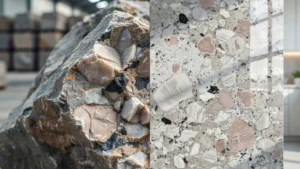
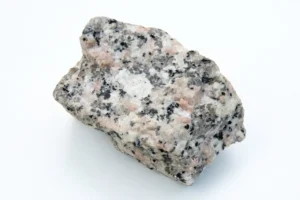
Granite forms deep underground from cooling magma, which is why it’s packed with quartz, feldspar, and mica. That mineral makeup is what gives each slab its natural shine and its strength. It’s also why granite handles heat and daily wear far better than softer stones like marble.
But “durable” doesn’t mean “invincible.” The polished finish on top is a thin layer, and it wears down over time from cleaning chemicals, hard water, and plain old friction. Once that layer weakens, the stone surface underneath starts to show dullness, faint scratching, or a rougher texture under your palm.
Damage generally falls into two buckets: surface-level (grime, residue, minor dullness) and structural (deep stains, cracks, or pitting). Surface-level issues are what most homeowners deal with, and they’re the easiest to fix yourself.
Not all granite wears the same way either. Darker slabs tend to hide dullness longer, while lighter granite shows haze and water spots sooner because there’s less contrast to mask it. Kitchen counters near a sink or stove also age faster than a bathroom vanity simply because they see more water, heat, and acidic food contact on a daily basis.
Signs Indicating the Need for Restoration
You don’t need a professional eye to spot most of these. A few minutes of close inspection under good light will tell you what’s going on.
- Cloudy or hazy patches that don’t wipe away with regular cleaner
- Rough spots or a gritty feel where the counter used to be smooth
- Rings or spots near the sink and stove from hard water
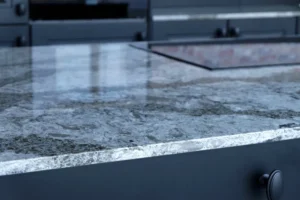
- A finish that looks flat instead of reflective, even right after cleaning
- Water that no longer beads up on the surface, which usually means the sealer has worn thin
If you’re seeing two or more of these, it’s a solid sign your countertop is due for some attention.
Age matters too. A countertop that’s five years old or older, and hasn’t been resealed since installation, is a strong candidate for restoration even if the damage looks minor right now. Catching it early keeps the fix simple. Wait too long, and mineral deposits and worn sealer combine to make the job harder.
Is Your Granite Dull, Stained, or Etched?
Dull granite looks cloudy but feels smooth to the touch. Stained granite has discolored spots that won’t wipe away with water. Etched granite shows rough, faded patches where something acidic touched the stone. Each type of damage needs a different fix, so identifying it correctly saves you time, money, and the wrong product.
Dullness usually comes from residue buildup or a worn sealer, and it responds well to cleaning and polishing. Staining means something soaked into the stone, like oil, wine, or coffee, and it needs a poultice treatment rather than a surface wipe. Etching happens when acid, think lemon juice, vinegar, or tomato sauce, reacts with the calcium in the stone and eats into the polish. You can run a finger over the spot; if it feels like a shallow dip, that’s etching, not staining.
What Causes Granite to Lose Its Shine
Granite loses its shine mainly from mineral deposits, soap residue, and a worn protective seal. Hard water leaves behind a cloudy film, harsh cleaning products strip the sealer over time, and daily wear slowly flattens the polished finish. Once the seal breaks down, the stone absorbs oil and grime faster, which makes dullness show up sooner.
Hard water is the quiet culprit in most kitchens. Every time water evaporates near a sink or faucet, it leaves tiny mineral deposits behind. Over months, those deposits build a thin haze across the surface that no amount of wiping seems to fix.
Then there’s the sealer problem. Granite is naturally porous at a microscopic level, so manufacturers apply a penetrating sealer to keep liquids from soaking in. That seal wears down with heavy use, acidic spills, and abrasive scrubbing, usually needing a refresh every one to three years depending on how much the counter gets used.
Can You Restore Granite Countertops Yourself?
Yes, you can restore granite countertops yourself in most cases. Light dullness, water spots, and a worn sealer respond well to DIY cleaning, polishing, and resealing. Deep stains, cracks, or heavy etching across large areas usually call for a professional, since the wrong product can cause permanent damage to the stone.
If your countertop just looks tired rather than genuinely damaged, you’re a good candidate for the DIY route below. Think of it like refinishing a wood table. Light scuffs and fading, you handle at home. Deep gouges and water damage, you bring in someone who does it for a living.
What You’ll Need Before You Start
Gather your supplies first so you’re not mid-project and running to the store. Here’s the short list:
- A pH-neutral stone cleaner (never anything acidic or abrasive)
- Microfiber cloths, at least two
- A granite polishing compound made for natural stone
- A soft buffing pad or a clean, dry towel
- A penetrating granite sealer
- White cotton balls and plastic wrap, only if you’re treating a stain
Skip anything with vinegar, bleach, or ammonia. They feel like strong cleaners, but on granite they eat away at the seal and can dull the finish faster than the problem you’re trying to fix.
Step-by-Step Guide to Restoring Granite Countertops
This is the core process for how to restore granite countertops without professional help, broken into five manageable steps.
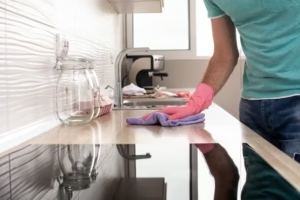
Step 1: Clean the surface completely. Clear the counter and wipe away crumbs and dust. Spray the pH-neutral cleaner and wipe in small circles with a microfiber cloth, then rinse with plain water and dry fully. A damp surface hides dullness and makes it hard to judge your next step.
Step 2: Treat mineral deposits and light stains. Mix equal parts water and a small amount of dish soap, apply with a soft cloth, and let it sit for a few minutes on hard water spots before wiping clean. For actual stains, apply a granite poultice, cover with plastic wrap, and leave it for 24 hours before scraping off and rinsing.
Step 3: Polish in small sections. Apply the polishing compound to a small area, about two feet by two feet, and buff in circular motions with a soft pad. Work section by section across the whole countertop rather than trying to cover it all at once. This step is what brings back the reflective surface most people are chasing.
Step 4: Apply the sealer. Once the surface is clean and dry, apply the penetrating sealer following the product’s instructions, usually a thin, even coat left to sit for several minutes. Wipe away anything that hasn’t soaked in after the recommended time, since dried excess sealer leaves a hazy film.
Step 5: Run the water bead test. Pour a small amount of water on the sealed surface and watch what happens. If it beads up, the seal is doing its job. If it soaks in or spreads flat, give the counter a second coat.
[Data suggestion: an actual before-and-after photo set of your own restored countertops would work well here, since visual proof carries more weight than text alone for this kind of project.]
How Much Does Granite Restoration Cost?
DIY granite restoration supplies, such as a cleanser, polish and sealant, typically run $50 to $150. Professional restoration is more expensive, generally ranging from $300 to $700, depending on the size of the countertop and the extent of damage. Deep stain removal or etching repair adds to that expense, as it sometimes takes specialist equipment and numerous visits.
The only cost difference is the tools and time. A professional will have diamond polishing pads, commercial grade sealers not available to the typical homeowner and the experience to know how long to let each product sit. Real money is saved with the DIY route when it comes to minor issues.
How Long Does Granite Restoration Take?
A basic granite restoration takes two to four hours for an average kitchen counter, including cleaning, polishing, and sealing. Adding stain removal extends the timeline by 24 to 48 hours, since poultice treatments need to sit undisturbed. Professional jobs often finish in one visit but may need a second for stubborn stains.
Most of that time isn’t active work. It’s waiting. Poultices need a full day to pull a stain out, and sealer needs time to cure before you set anything on the counter again. Plan the project for a weekend when you can leave the kitchen counter clear overnight if a stain is involved.
Common Mistakes That Make Restoration Harder
A few habits show up again and again in kitchens with prematurely dull granite. Knowing them ahead of time saves you a repeat project down the road.
- Using the wrong cleaner. Vinegar, bleach, and glass cleaners feel effective but strip the sealer with every use.
- Scrubbing with abrasive pads. Anything meant for tough kitchen grime is usually too rough for a polished stone surface.
- Skipping the sealer step. Polishing without resealing gives you shine for a few weeks before the dullness creeps back.
- Letting spills sit. Wine, coffee, and citrus juice cause the fastest etching, and a few minutes makes the difference.
- Ignoring the water bead test. Most homeowners only think about resealing once the counter already looks dull, when a quick check every few months would catch it sooner.
Keeping the Shine: Daily Care and Routine Maintenance
Restoration only holds up if daily habits support it. Wipe up spills as they happen, especially anything acidic like citrus or wine, since those cause etching fastest. A quick wipe now beats a poultice treatment later.
Stick to a pH-neutral cleaner for daily cleaning, and skip the all-purpose sprays under your sink. They’re built for tile and countertop laminate, not natural stone, and repeated use wears down the seal faster than heavy use from cooking ever will.
Build routine maintenance into your calendar. Reseal every one to three years depending on how often the counter gets used, and run the water bead test every few months to check. A few minutes of upkeep now saves you the full restoration process down the line.
Conclusion
As we conclude this comprehensive guide, it’s crucial to emphasize the transformative power of a well-executed restoration process. Beyond the aesthetic benefits, restoring your granite countertops contributes to their longevity, preserving the investment you’ve made in these exquisite surfaces.
SF Marble And Granite Inc. emerges not just as a service provider but as a trusted partner in this journey. Their meticulous approach, customized strategies, and utilization of advanced techniques ensure that your countertops receive the care they deserve. The success stories and case studies further attest to their capability to breathe new life into granite surfaces.
In your hands now lies the knowledge to embark on this restoration journey confidently. Whether you choose to undertake the process yourself or enlist the expertise of SF Marble And Granite Inc., the goal remains the same – to witness your granite countertops radiate with renewed beauty.
FAQs – Frequently Asked Questions
Can I restore granite countertops on my own?
While DIY methods exist, professional restoration ensures precision and lasting results. SF Marble And Granite Inc. offers guidance for those considering the DIY route.
Does SF Marble And Granite Inc. offer maintenance tips?
Absolutely. We provide personalized maintenance tips to ensure the longevity of your restored granite. Regular care is essential to preserve the beauty of your countertops.
Are there eco-friendly options for granite restoration?
SF Marble And Granite Inc. prioritizes eco-friendly practices, using sustainable methods for restoration. Ask about our environmentally conscious options when considering repair.
How long does the restoration process take?
The duration varies based on the extent of damage, but our team at SF Marble And Granite Inc. works efficiently to minimize downtime. A personalized timeline will be provided after the initial assessment.
What other services does SF Marble And Granite Inc. offer?
Apart from restoration, we offer installation, maintenance, and consultation services for all your granite needs. Explore our comprehensive services to elevate your granite experience.