How to Install Vertical Shiplap Backsplash: A Complete Guide
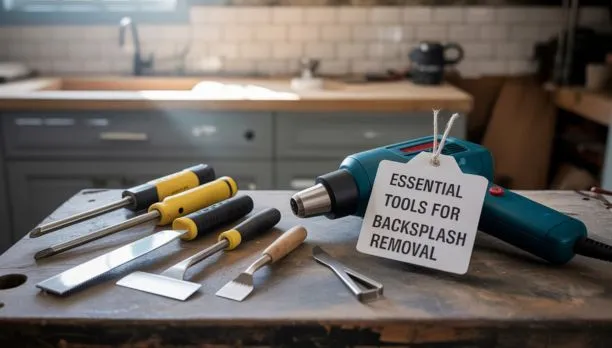
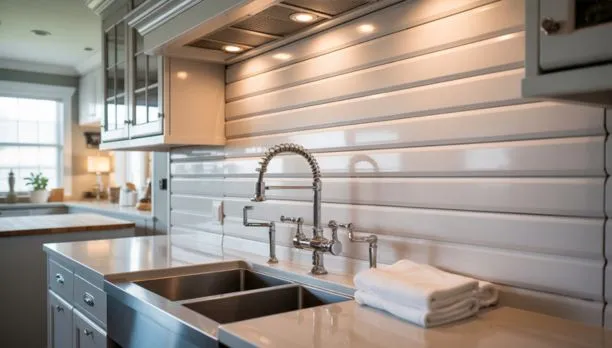
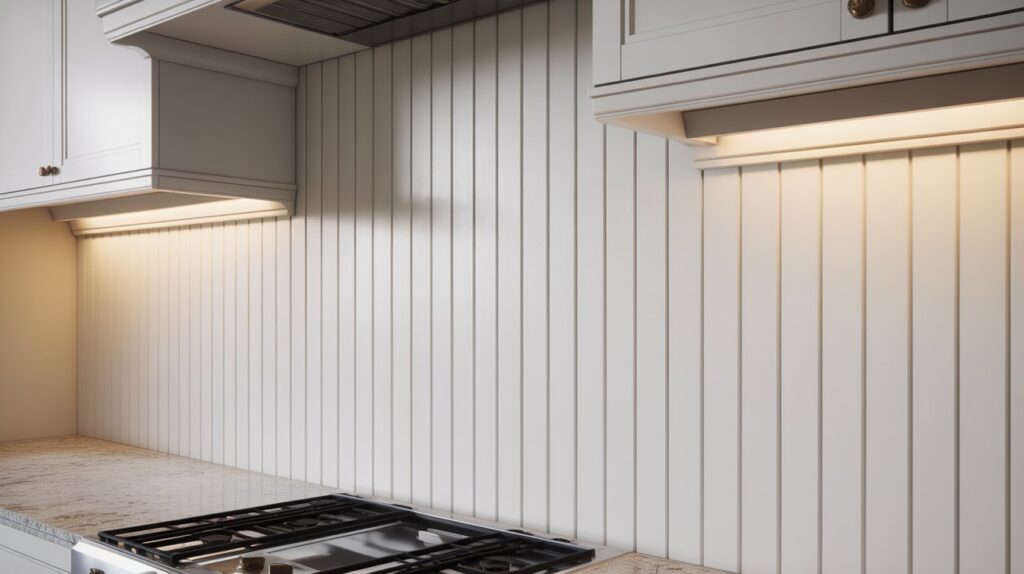
How to Install Vertical Shiplap Backsplash in Your Kitchen Installing a vertical shiplap backsplash in kitchen can transform your kitchen, adding texture, charm, and a modern farmhouse feel. This guide will walk you through every step, from planning and prep to finishing touches, to help you achieve a clean, professional-looking shiplap kitchen backsplash that suits your style. A vertical shiplap backsplash is not only visually appealing but also highly versatile. Whether your kitchen is small or spacious, the upward lines of vertical boards can create the illusion of taller ceilings and a more open space. It adds depth to your walls and pairs beautifully with both modern and rustic kitchen designs. Why Choose a Shiplap Backsplash? A backsplash shiplap is a stylish and practical choice for any kitchen, offering a clean, modern, and slightly rustic look. Its vertical lines create visual height, making smaller kitchens feel more open and spacious. Shiplap is also cost-effective, easy to install, and customizable through paint or finish. Whether you’re redesigning a full kitchen or doing a simple refresh, shiplap adds charm, warmth, and texture without breaking your budget. It brings warmth and character to a kitchen with its natural board lines and wood texture. Vertical orientation (as opposed to horizontal) can make a space feel taller, giving the illusion of higher ceilings. It is relatively simple to install and can be a budget-friendly way to upgrade your kitchen. Many DIYers use MDF or primed wood to cut costs. Once installed, it is easy to paint or caulk, giving a clean finish that works well behind cabinetry, sinks, or stoves. Can You Put Shiplap in a Kitchen? Absolutely. Shiplap in a kitchen is not only decorative but also practical when installed correctly. Many homeowners choose a shiplap backsplash because it delivers a clean, timeless look that blends well with modern, farmhouse, coastal, and traditional kitchen styles. When you prepare and seal the boards properly, shiplap becomes a durable surface that can handle daily cooking activities, occasional splashes, and regular cleaning. Shiplap is usually made from wood, MDF, or PVC, and all of these materials can work in a kitchen environment as long as they are protected with a quality primer, paint, and sealant. Once sealed, the surface becomes smooth and wipe-friendly, allowing you to clean grease or food stains with gentle household cleaners. Another reason shiplap works well in kitchens is its flexibility. You can install it behind sinks, around cabinets, next to stoves, or even across an entire accent wall. It also pairs nicely with open shelving and stone countertops, creating a balanced mix of texture and warmth. Homeowners who want a custom look without the high cost of tile often turn to shiplap. It provides the same level of visual interest but is easier to install and modify. If you ever want to repaint or refresh your kitchen, shiplap adjusts beautifully with new colors or finishes. In short, with the right materials and protective coating, a shiplap backsplash becomes a long-lasting, attractive, and budget-friendly option for any kitchen design. Picking Out Vertical Shiplap for Your Kitchen Backsplash Choosing the right materials is essential for getting a clean, long-lasting, and visually appealing finish. Before you start, consider how each material will look, how it handles moisture, and how easy it is to install. The type of shiplap you choose can affect durability, cost, and the overall style of your kitchen. With the right selection, your vertical shiplap backsplash will look polished and stay beautiful for years. Material type Real wood: gives an authentic feel, but may expand or contract. Allow boards to acclimate to the room for a few days. MDF shiplap: smooth, primed, and more affordable. Often used in DIY kitchen backsplash projects. Pre-painted or primed boards: save time on finishing, especially in a backsplash area. Board size and style Nickel-gap shiplap gives a clean, narrow reveal between boards. Tongue-and-groove vs. butt joint: tongue-and-groove provides tighter joints, while simpler styles may be cheaper. Wall support For vertical installation, furring strips (such as 1 × 3 lumber) are often required, spaced regularly for a solid nailing surface. Ensure your wall (drywall or plaster) is sound and stable before beginning. Tools and Supplies You Will Need Before you begin installing a kitchen shiplap backsplash, it is important to gather every tool and material you will need. Having everything ready not only speeds up the process but also ensures your installation looks clean and professional. Start with a reliable stud finder, since locating studs is essential for securing your vertical boards. A long level, ideally four feet or more, helps keep each piece perfectly straight from top to bottom, which is especially important with vertical shiplap because even a small tilt becomes visible once several boards are installed. A measuring tape is another must-have since accurate measurements prevent gaps, misalignment, or wasted material. For cutting the shiplap boards, you may use a miter saw, circular saw, or table saw. Each one works well as long as you make clean, straight cuts. Most homeowners prefer a miter saw for speed and accuracy. To attach the boards, a brad nailer or finish nail gun with fifteen or sixteen-gauge trim nails creates a secure hold without large nail holes. Many installers also combine nails with construction adhesive for added strength, especially in areas where the wall may not have enough studs. For keeping the gaps perfectly even, simple items such as nickels or thin spacers work surprisingly well. Once the boards are up, wood filler or spackle is used to cover nail holes and achieve a smooth finish. After that, you will need paintable caulk and a caulk gun to seal edges, corners, and seams where the shiplap meets cabinets, countertops, or adjacent walls. If your boards are unfinished or only primed, you will need good-quality paint and possibly a primer. Sandpaper or a sanding block helps smooth rough cuts or edges before painting. Lastly, do not forget basic safety gear. Gloves protect your hands while
How to Install Vertical Shiplap Backsplash: A Complete Guide Read More »