You’re looking at that boring tile wall behind your stove in the kitchen and you wonder if marble is all it’s cracked up to be. Oh, okay. Every remodeling blog makes it sound like the answer to every design problem and that’s a legitimate thing to consider before you spend real money.
Here’s my promise: at the conclusion of this post, you’ll know exactly what a marble kitchen backsplash costs, how it bears up to daily cooking, and whether it’s a good fit for your kitchen. Marble kitchen backsplashes are wall coverings, produced from natural marble tiles or slabs, that go behind the stove and countertop. The marble’s veining is a desirable feature, and it can give a kitchen a pulled-together look without a lot of extra labor. I’ll show you the different varieties of marble worth considering, the genuine advantages and cons, design concepts that truly work in small and large kitchens, honest cost statistics, and the maintenance routine that keeps marble looking sharp for years. No frills, just what you need to pick.
Types of Marble for Kitchen Backsplash
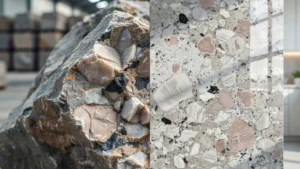
Not all marble looks or behaves the same way, and picking the wrong type for your kitchen’s traffic level is one of the most common regrets I hear about.
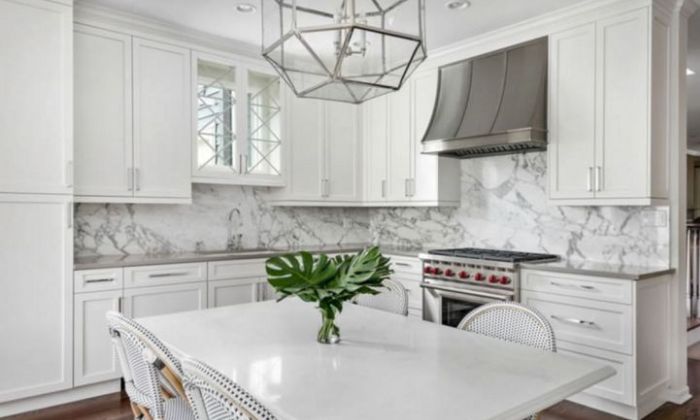
Carrara marble is the most common choice for a marble backsplash for kitchen projects. It has a soft white background with grey, feathery veining, and it costs less than most other marble varieties. It’s a safe pick if you want something classic that won’t fight with your cabinets or countertop.
Calacatta marble costs more, but the veining is bolder and more dramatic. Homeowners who want their backsplash to be the focal point of the room usually land here. It reads as a bit more formal, so it suits kitchens with a heavier design budget already in place.
Statuario marble sits between the two. It has a whiter base than Carrara with veining that’s less busy than Calacatta. If you want something that looks expensive without going full Calacatta, this is worth a look.
Emperador marble is brown instead of white, with warmer veining. It works well in kitchens with wood cabinets or warmer color schemes, and it hides small stains a bit better than the white varieties simply because of its tone.
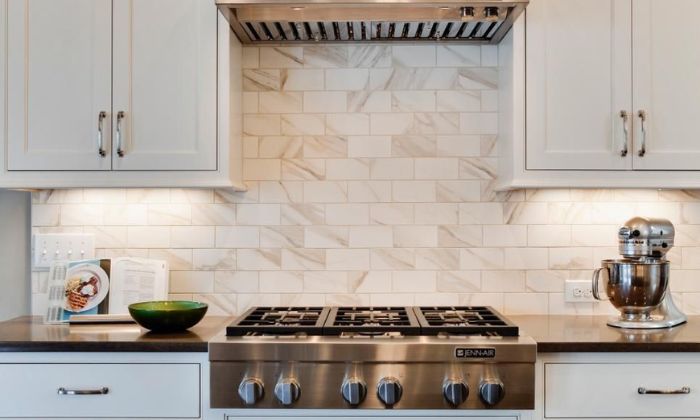
Beyond color, you’ll also choose between a marble tile backsplash (smaller pieces, grout lines, easier to install and repair) and a slab backsplash (one continuous piece, seamless look, higher cost). Tiles are more forgiving for DIY-adjacent projects. Slabs look cleaner but need a professional measurement and cut.
Pros and Cons of a Marble Kitchen Backsplash
While marble is a beautiful option, it’s important to consider the advantages and potential drawbacks before committing to it.
Pros and Cons of a Marble Kitchen Backsplash
Marble has real strengths, but it also has trade-offs that don’t get mentioned enough in glossy renovation photos.
Pros
Marble brings a natural pattern that no printed tile can fully copy. Each slab is different, so your kitchen ends up with a one-of-a-kind wall instead of a repeated design stamped from a factory. It also pairs well with almost any cabinet color, from stark white to deep navy, which makes it a flexible long-term choice if you plan to update other parts of the kitchen later.
A marble backsplash adds resale value in many markets, particularly in homes priced in the mid to upper range. Buyers touring a kitchen tend to notice natural stone quickly, and it signals that the kitchen was renovated with care rather than on the cheapest materials available.
Cons
Marble is porous. It absorbs liquid faster than granite or quartz, so a splash of red wine or tomato sauce left too long can leave a stain if the surface isn’t sealed properly. It’s also softer than granite, meaning it can scratch or etch if acidic foods like lemon juice or vinegar sit on it without being wiped up.
Cost is the other real drawback. Marble tile backsplash installation runs higher than ceramic or porcelain, and slab installation costs more again. If you’re working with a tight budget, marble may not be the first material you reach for, even though it’s often cheaper than granite countertops per square foot.
Design Ideas for Marble Kitchen Backsplash
If you need kitchen marble backsplash ideas, here are a couple that always work well, based on what actually holds up in real houses, not contrived photographs.
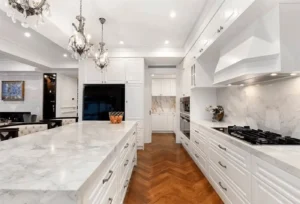
A full-height marble slab from countertop to upper cabinets makes for a stunning effect with zero grout lines to clean. This is most effective in a kitchen where you have one long wall behind the range that is continuous, so the veining may flow uninterruptedly.
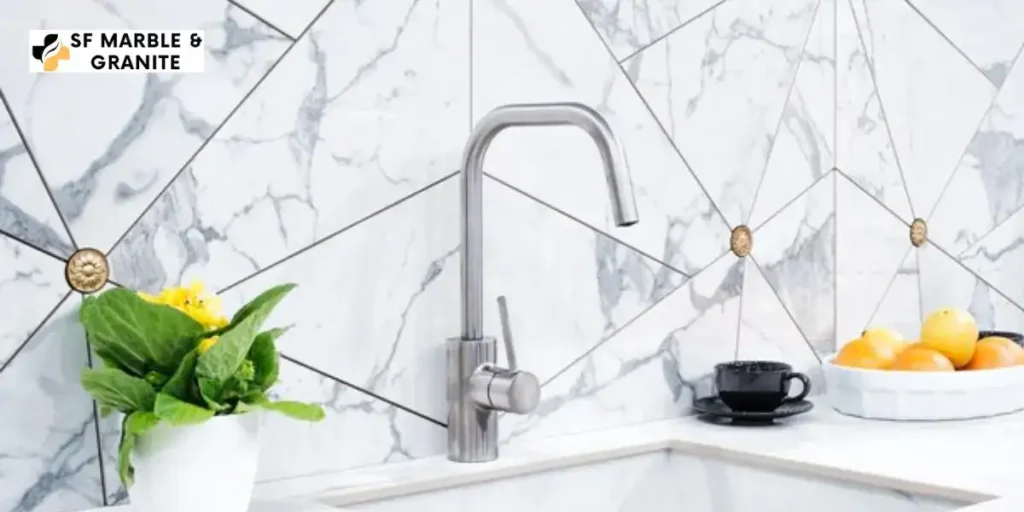
Herringbone marble tile is great if you want texture, but don’t want to get too colorful. There is no bold veining to carry the design so even a simple white marble looks fascinating once it is set diagonally. The pattern catches the eye.
The contrast of a light marble backsplash with dark lower cabinets photographs well and looks current without being trendy in a way that will date rapidly. The combination also makes small kitchens look brighter as the marble reflects light rather than soaking it up.
If you’re not ready for a complete wall of marble, a single accent strip behind the stove is a budget-friendly compromise. You can have the visual benefit of marble in the region that attracts the most attention, but choose a cheaper tile for the rest of the backsplash.
Natural Stone Kitchen Backsplash: How Marble Compares
Subway Tile Backsplash
Marble is not the only choice for a natural stone kitchen backsplash and it’s a good idea to know how it compares to the competition before you commit to it.
Granite is more difficult and more resistant to scratches than marble, and it can stand up better to acidic spills. Marble is famous for its silky, flowing veining and that’s not what you see here, although newer granite slabs have made great strides in this area.
Quartzite resembles marble, but is more like granite in strength. More costly than marble in most areas, it’s a good option if you like the look but want less upkeep concerns.
Soapstone is a quieter, darker choice that develops a patina over time rather than staining outright. More at home in a country or industrial kitchen than a sparkling modern one.
If durability is your main goal and you’re ready to give up part of marble’s traditional appearance, granite or quartzite are worth assessing side by side before you finalize your pick.
Herringbone or Chevron Patterns
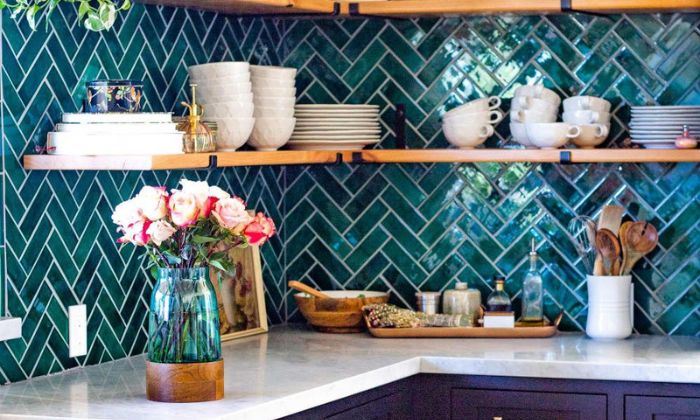
Herringbone and chevron patterns are stylish options for enhancing kitchen design, adding texture and a distinctive flair. These patterns create a sense of movement and draw the eye, making the backsplash a striking focal point. When paired with gray or white marble tiles, they achieve a sleek, modern aesthetic.
The intricate arrangements of these designs offer visual interest while complementing contemporary decor, making them perfect for those seeking to elevate their kitchen’s overall appeal. Incorporating these patterns can transform an ordinary backsplash into a stunning centerpiece that showcases both elegance and creativity.
Mixed Materials
For a distinctive backsplash, combine marble with materials like metal, glass, or mosaic tile. This mix can elevate the aesthetic of your kitchen, adding depth and texture. Pairing a marble backsplash with sleek metal accents introduces a contemporary edge, while glass tiles can enhance light reflection and color variation.
The interplay of these elements creates a visually stunning design that captures attention and showcases your style. By blending marble’s elegance with modern materials, you achieve a unique focal point that enhances the overall ambiance of a contemporary kitchen.
How Much Does a Marble Backsplash Cost?
A marble backsplash typically costs between 40 and 100 dollars per square foot installed, depending on the marble type, tile size, and labor rates in your area. Slab installations run higher, often reaching 150 dollars or more per square foot, while basic Carrara tile stays closer to the lower end of that range.
Material cost alone makes up a large share of the total. Carrara tile is usually the most affordable, Calacatta and Statuario sit in the middle to upper range, and custom slab cuts cost the most because of the labor needed to measure, cut, and fit a single continuous piece around outlets and cabinets.
Labor adds another layer. A straightforward tile installation with standard grout lines costs less than a slab job that requires precision cutting and a two-person install team. Sealing is usually included in professional quotes, but ask directly since some contractors treat it as a separate line item.
Don’t forget the extra costs that quotes sometimes leave out. Removing an old backsplash, patching drywall, and adding edge profiles around outlets can add several hundred dollars to the total. Ask your contractor for an itemized quote before work starts, so nothing catches you off guard on the final bill.
How to Maintain and Care for a Marble Backsplash
Marble upkeep is not difficult but it does demand a little more care than porcelain or ceramic tile.
Seal the marble when it’s first put, then reseal it once a year, or sooner if you notice water stops beading on the surface. A great sealer fills the pores in the stone, and provides you with a buffer against spills before they set in.
Immediately clean up acid leaks. Lemon juice, vinegar, tomato sauce and wine may etch marble in minutes leaving a dull patch that no amount of scrubbing will remove completely. Keep a clean cloth near the stove for this very purpose.
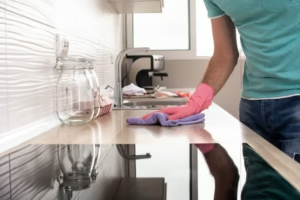
Use a pH neutral stone cleanser, not something with vinegar, ammonia or bleach. These typical household cleaners tear down the sealer over time and make the marble more open to discoloration. A basic mix of mild dish soap and warm water works nicely for everyday wipe-down.
Avoid abrasive scrub pads. They can scrape the surface of softer marbles such as Carrara. A soft microfiber cloth takes care of daily grease and spatter without putting the finish at risk.
A fast technique to check if your seal is still functional is the water test. Drop a small quantity of water on the marble and watch it for a few minutes. If it beads up then the seal is holding. If it soaks in and darkens the stone, time to reseal.
Common Mistakes to Avoid With a Marble Backsplash
A few mistakes come up again and again with first-time marble buyers, and they’re easy to sidestep once you know what to watch for.
Skipping the sealer, or forgetting to reseal annually, is the most frequent one. It seems minor at first, but it’s the difference between a backsplash that ages well and one that shows stains within the first year.
Choosing a busy veining pattern without seeing a full slab first is another. Small tile samples don’t always represent how the veining will look across a full wall, so ask to see a larger sample or photos of the specific slab before it’s cut.
Ignoring the finish is a smaller but real issue. Polished marble shows etching more visibly than honed marble, which has a matte finish that hides small scratches and dull spots better. If your kitchen sees heavy daily cooking, honed marble might save you some frustration.
Final Thoughts
A marble kitchen backsplash makes sense if you want a natural look and don’t mind a bit of extra care to keep it that way. If your kitchen leans toward heavy daily cooking with lots of acidic ingredients, weigh that against how much upkeep you’re realistically willing to commit to.
If you’re also planning to update your countertops, it’s worth handling both projects together so the stone and backsplash match in tone and finish. SF Marble and Granite handles both marble backsplash work and full stone installations, including Granite Countertop Installation in Lowell, so your kitchen gets a consistent look from countertop to backsplash. contact us if you’d like a quote based on your kitchen’s layout and the marble type you’re considering.
FAQs
Is marble a good choice for a kitchen backsplash?
Marble is a good choice for a kitchen backsplash if you’re willing to reseal it yearly and wipe up spills quickly. It offers a natural look no other material fully matches, though it needs more upkeep than granite, quartz, or porcelain tile.
It suits kitchens where the backsplash isn’t directly behind a busy prep area, or where the household is comfortable with basic stone maintenance.
How long does a marble backsplash last?
A properly sealed and maintained marble backsplash lasts 20 years or more. Its lifespan depends mostly on how consistently it’s resealed and how quickly spills get cleaned, rather than on the marble itself wearing out structurally.
Slab installations tend to outlast tile ones simply because there are fewer grout lines to maintain and no seams to catch grease over time.
Does a marble backsplash need to be sealed?
Yes, a marble backsplash needs to be sealed both at installation and roughly once a year afterward. Sealing fills the natural pores in the stone, reducing how quickly it absorbs liquid and lowering the chance of permanent staining.
Skipping this step is the single biggest reason marble backsplashes stain or dull faster than expected.
Is marble tile cheaper than a marble slab backsplash?
Yes, marble tile is generally cheaper than a marble slab backsplash. Tile costs less per square foot and is easier to install, while a slab costs more due to custom cutting and the labor needed for a seamless, one-piece installation.