Swimming Pool Tiles Design: Ideas, Trends & Expert Tips
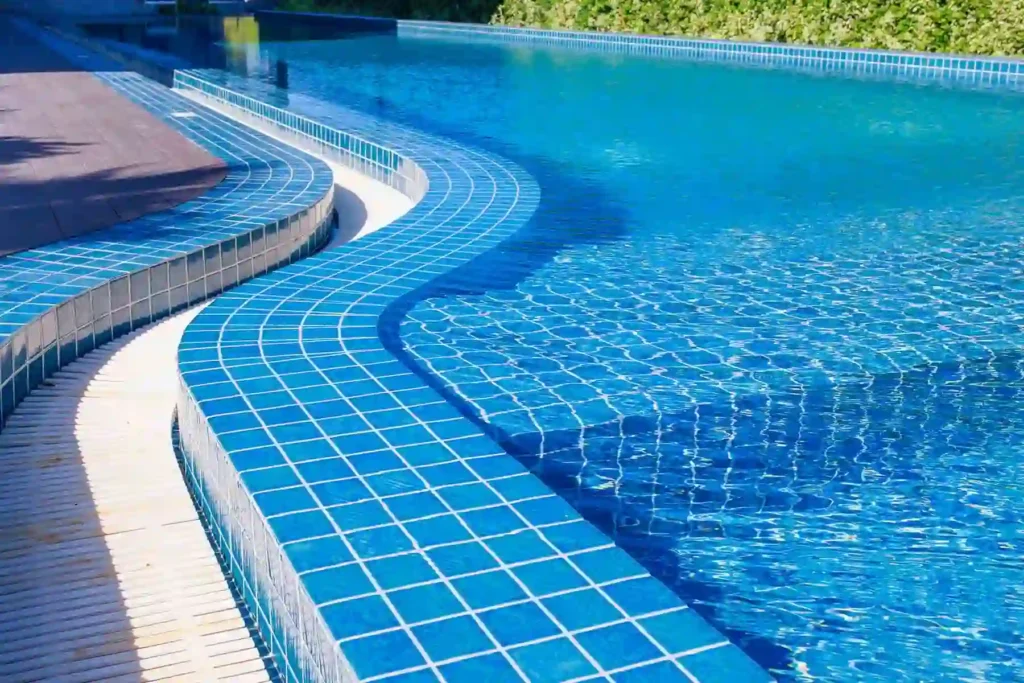
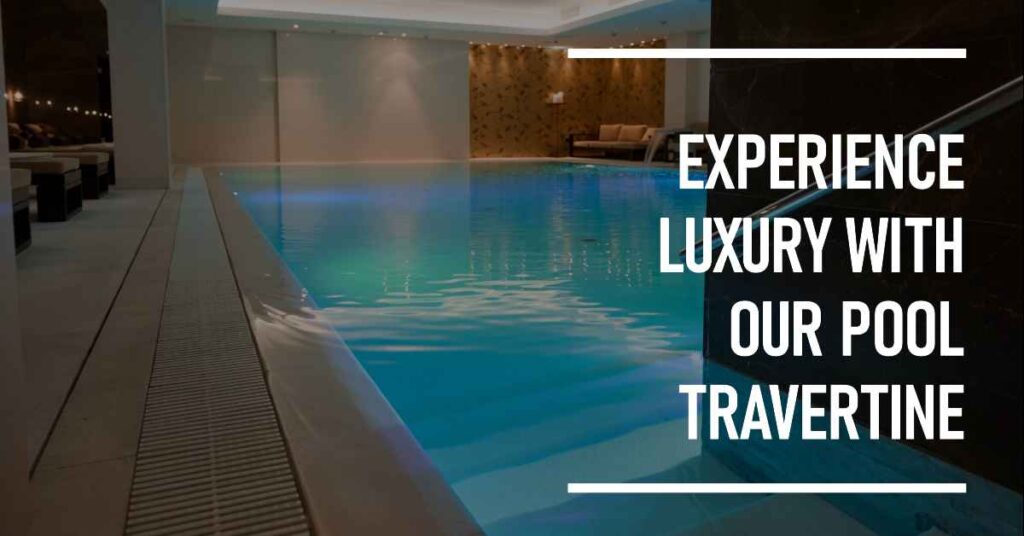
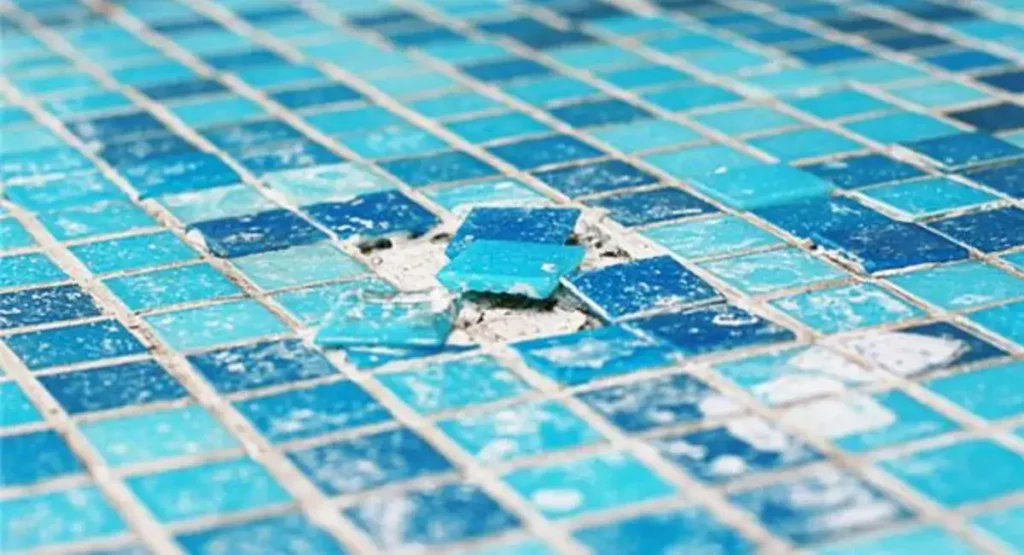
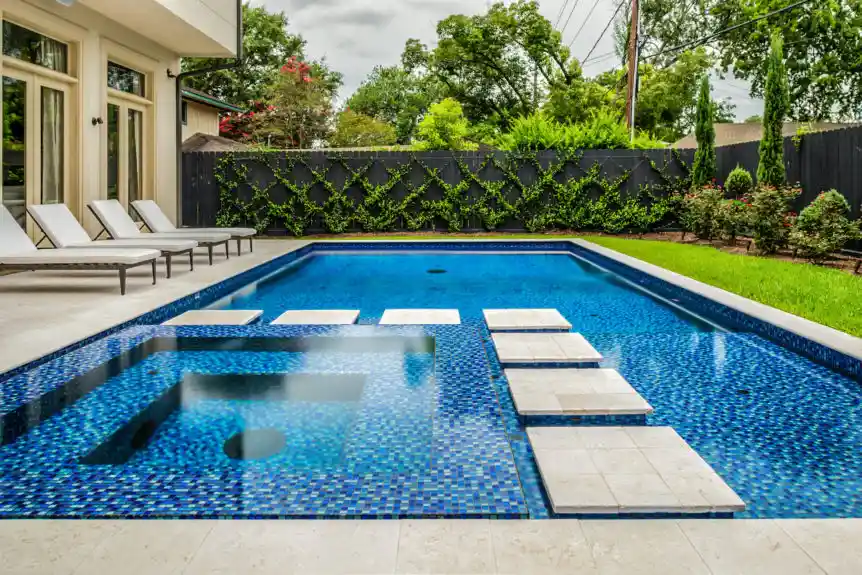
Picking the right tile for your pool changes everything. The color, texture, and material affect how your pool looks, feels, and holds up over time. Most homeowners spend months choosing the perfect pool then rush through the tile decision. That is a mistake you do not want to make. Good swimming pool tiles design is about more than aesthetics. It impacts safety, water clarity, maintenance, and the overall feel of your outdoor space. Get it right and your pool looks stunning for decades. Get it wrong and you are re-tiling within five years. Why Swimming Pool Tiles Design Actually Matters Tiles are not just decorative. They serve real functional purposes: Waterproofing:Tiles seal pool surfaces and prevent water from seeping into the structure Chemical resistance: Pool tiles handle constant chlorine and pH changes without degrading Safety:Textured tiles on steps and ledges prevent slipping Algae resistance: Smooth, non-porous tiles make cleaning significantly easier Reflectivity: Tile color affects how your water looks in sunlight A well-chosen tile design also adds serious resale value to your home. Pools with quality tile finishes consistently command higher property prices. Types of Swimming Pool Tiles Choosing the right material is the first decision. Each type has real strengths and real limitations. Ceramic Tiles Ceramic is the most affordable option for tiles for swimming pools. It is easy to find, comes in hundreds of colors, and handles pool chemicals well. Best for: Budget-conscious homeowners, traditional pool designs Watch out for: Ceramic can crack in freezing temperatures. Not ideal for cold climates. Porcelain Tiles Porcelain is denser and less porous than ceramic. It absorbs almost no water, which makes it extremely durable in pool environments. Best for: High-traffic pools, modern designs, areas with temperature swings Watch out for: Harder to cut and install. Costs more than ceramic. Glass Tiles Glass tiles are the premium choice for swimming pool tile designs. They reflect light beautifully, create vivid colors, and give pools a luxurious, resort-like appearance. Best for: Luxury pools, feature walls, waterlines, and accent strips Watch out for: Expensive. Requires skilled installation. Can show calcium buildup more visibly. Natural Stone Tiles Travertine, slate, and limestone give pools a natural, earthy look. Each piece is unique, which creates a one-of-a-kind finish. Best for: Rustic, Mediterranean, or tropical-style pools Watch out for: Porous surface requires sealing. Some stones are slippery when wet. Mosaic Tiles Mosaic tiles often made from glass or porcelain allow for intricate pool tile designs and custom artwork. Think murals, geometric patterns, and gradient color effects. Best for: Feature areas, pool floors with custom designs, decorative accents Watch out for: More grout lines mean more maintenance. Popular Swimming Pool Tile Design Trends in 2026 Pool design has shifted significantly. Here is what is trending right now. 1. Gradient Blue and Teal Effects Layering multiple shades of blue and teal from shallow to deep creates a natural, ocean-like appearance. Glass tiles work best for this effect because of how they interact with light. 2. Large Format Porcelain Slabs Oversized porcelain tiles sometimes 24×24 inches or larger create a clean, minimalist look with fewer grout lines. This is dominating modern and contemporary pool designs. 3. Black and Dark-Bottom Pools Dark tile on the pool floor creates a dramatic, mirror-like water effect. Charcoal, navy, and deep green are all popular choices. These pools photograph stunningly and look architectural rather than recreational. 4. Natural Stone and Wood-Look Porcelain Homeowners want nature-inspired pools without the maintenance of real stone. Wood-look porcelain and travertine-style tiles deliver that organic feel with much better durability. 5. Geometric and Moroccan Patterns Patterned swimming pool flooring tiles particularly on steps, benches, and shallow ledges are making a strong comeback. Bold geometric patterns add personality without overwhelming the space. 6. Iridescent and Metallic Glass Tiles These tiles shift color depending on light angle and water movement. They create an almost living surface effect that is hard to replicate with any other material. You can read about: How Much Does Pool Tile Cost How to Choose the Right Swimming Pool Tiles Design With so many options, narrowing down your choice comes down to four key factors. Match Your Pool Style A sleek modern pool suits large-format porcelain or dark glass tiles. A Mediterranean garden pool suits terracotta tones and natural stone. Do not fight your architecture work with it. Think About the Water Color You Want Tile color directly affects perceived water color: White and light grey tiles → clear, bright blue water Dark blue or black tiles → deep, rich, almost green-blue water Turquoise tiles → vivid, tropical appearance Tan or beige tiles → warm, natural appearance Prioritize Safety in Key Areas Steps, beach entries, and pool ledges need textured, slip-resistant tiles. Never use smooth, polished tiles in these areas regardless of how good they look. Factor in Long-Term Maintenance Glass tiles look stunning but require regular cleaning to stay that way. Natural stone needs annual sealing. Porcelain is the lowest-maintenance option overall. Be honest about how much upkeep you are willing to do. Where to Place Different Tiles in Your Pool Not every tile works in every location. Here is a practical guide: Location Best Tile Choice Why Waterline Glass or porcelain Handles constant water exposure and chemical contact Pool floor Porcelain or ceramic Durability and even color distribution Steps and benches Textured porcelain Slip resistance is non-negotiable Feature walls Glass mosaic Maximum visual impact Pool coping Natural stone or porcelain Handles foot traffic and edge wear Spa areas Small mosaic tiles Contours to curved surfaces easily Tips for Installing Swimming Pool Tiles Even the best tile fails with poor installation. Keep these points in mind. Use pool-rated adhesive and grout. Standard tile adhesives absorb water and fail in pools. Always use epoxy-based or specifically rated pool adhesives. Waterproof the substrate first. Before any tile goes down, the surface beneath needs proper waterproofing membrane application. Account for expansion and contraction. Water temperature changes cause tile movement. Proper expansion joints prevent cracking over time. Hire an experienced pool tile
Swimming Pool Tiles Design: Ideas, Trends & Expert Tips Read More »