
The Top 10 White Granite Countertop Colors of 2025
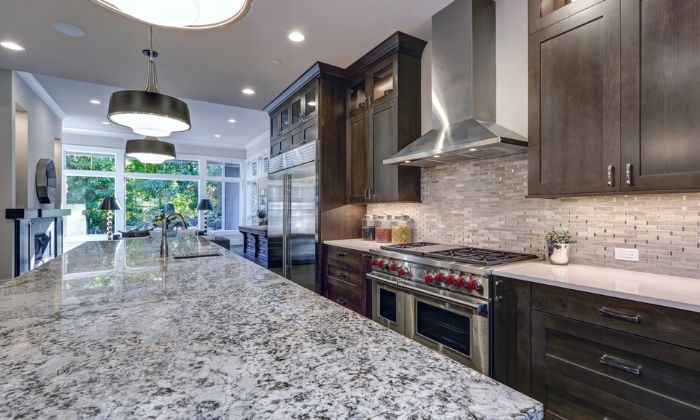
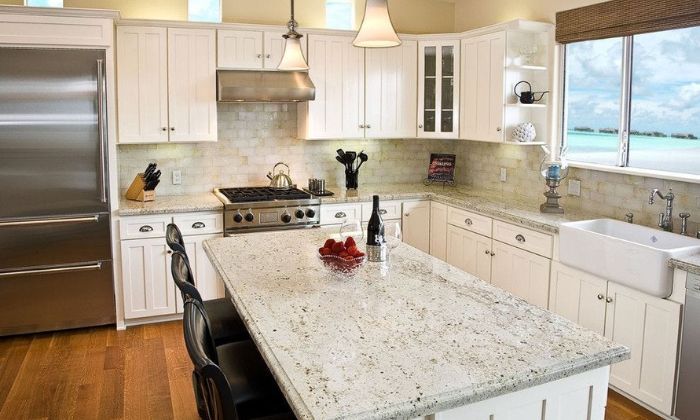
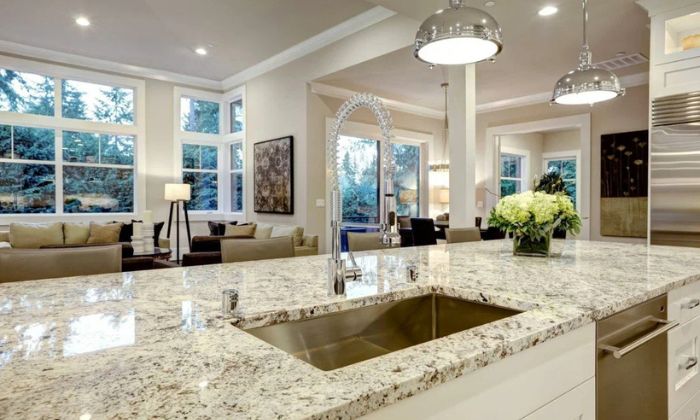
Home White granite countertops have long been a staple in modern kitchens and bathrooms, offering timeless elegance and versatility. As we look ahead to 2025, the top white granite countertop colors are evolving, with a perfect blend of classic whites, subtle veining, and contemporary flair. These countertops not only brighten up any space but also add value and sophistication to your home. If you’re considering installing white granite in your kitchen or bathroom, here are the top 10 white granite countertop colors you should keep in mind. Modern White Granite Countertops Colors Given are the modern white granite colors which are trending in 2025: 1. River White Granite River White Granite is an exquisite natural stone choice, popular among homeowners seeking subtly elegant countertops. Boasting a white background with soft gray veining and occasional bursts of burgundy hues, its flowing veins create a soothing and peaceful ambience, making River White Granite suitable for both kitchen and bathroom countertops. Plus, its timeless neutral colors complement both classic and contemporary decor elements making this timeless option for your home. 2. Moon White Granite Moon White Granite combines pure white with subtle sophistication for an exquisite aesthetic, ideal for modern kitchens or classic bathrooms alike. Characterized by light gray veining and occasional black specks, its sleek polished surfaces feature subtle texturing while remaining modern-looking; minimal veining adds subtle depth for added depth! Whatever design scheme you have in mind for your design scheme Moon White Granite makes an excellent surface that fits in seamlessly! 3. Pitaya White Pitaya White Granite stands out as an intriguing choice for anyone in search of a white granite countertop with more character and personality. This striking natural stone features a brilliant white background dotted with intricate gray veins and patches of black veining for an intriguing aesthetic that is both sophisticated and contemporary. With dynamic veining patterns to add visual interest without overwhelming space, Pitaya White adds warmth and elegance that modern design enthusiasts admire. 4. White Coastal White Coastal Granite is an attractive option for those who appreciate coastal design. This white granite features airy veining in light gray and beige hues, giving it a relaxed yet tranquil vibe. With gentle waves of gray veining running along its surface, this material brings peace and relaxation into any kitchen or bathroom vanities it graces, offering a peaceful yet relaxing ambiance. Additionally, its light neutral tones help illuminate smaller rooms lacking natural lighting; making White Coastal Granite perfect for creating a timeless yet tranquil feel in smaller areas lacking sufficient natural lighting; creating an oasis that exudes tranquility and comfort! 5. White Ice White Ice Granite boasts an elegant icy white backdrop paired with subtle gray veining and black speckles for a striking modern white granite countertop. Perfect for both kitchen and bathroom applications, its smooth surface lends itself to effortless polish, while light gray veining adds depth and warmth. Perfectly suitable for both residential and commercial settings alike, its pure white hue combined with subdued veining make this stone the ideal choice for modern white granite countertops. 6. White Galaxy Granite White Galaxy Granite is known for its striking appearance, featuring a bright white base with random patterns of gray, black, and gold specks. This granite is perfect for creating a dramatic, luxurious atmosphere in any kitchen or bathroom. The natural stone’s dynamic design adds visual interest and makes it stand out as a feature piece in any room. White Galaxy Granite works well in both traditional and contemporary settings, offering a versatile surface that will complement a variety of design styles. Its bold, eye-catching look makes it a popular choice for those who want a statement piece that will last for years. 7. Alaska White Alaska White Granite is a sophisticated and elegant option that features a soft white background with light gray and beige veins. The understated design of this granite makes it a versatile choice for a wide range of kitchen and bathroom styles. Alaska White Granite’s neutral tones blend seamlessly with gray and black cabinetry or accent pieces, creating a timeless, classic look. Whether you’re aiming for a modern, minimalist kitchen or a cozy, traditional bathroom, Alaska White Granite offers a natural stone surface that enhances any space without overpowering it. 8. Dallas White Dallas White Granite is another beautiful white granite option that offers a balance of light gray veining and specks of dark mineral accents. The soft, muted veining creates a delicate pattern that adds texture to the otherwise white background. This granite countertop color is perfect for homeowners who want a clean, sophisticated look with just a hint of visual interest. Dallas White Granite is ideal for modern kitchens and bathrooms that aim for a minimalist yet stylish design. The neutral tones of this granite countertop work well with various cabinetry and color schemes, making it a flexible and enduring choice. 9. Avalon White Avalon White Granite offers a more dramatic design with its bright white background and dark gray and black veins that appear throughout the stone. The bold contrast in this granite creates a modern, striking appearance that is perfect for contemporary kitchens or bathrooms. Avalon White Granite’s high-contrast veining adds depth and visual interest, making it a great choice for spaces that want to make a statement. Whether you want to complement dark cabinetry or light finishes, Avalon White is sure to provide the perfect balance and create an eye-catching focal point in any room. 10. Colonial White Colonial White Granite is a timeless and classic choice for homeowners who want a traditional white granite with subtle elegance. Featuring a warm, creamy white background with soft gray and black veining, Colonial White Granite has an old-world charm that makes it an excellent option for both kitchen and bathroom countertops. The delicate veining creates an overall soft appearance, giving the countertop a refined and polished look. Colonial White Granite is one of the most popular choices for those who prefer a neutral color palette that easily complements
The Top 10 White Granite Countertop Colors of 2025 Read More »