How to Install Decomposed Granite for a Beautiful Outdoor Space
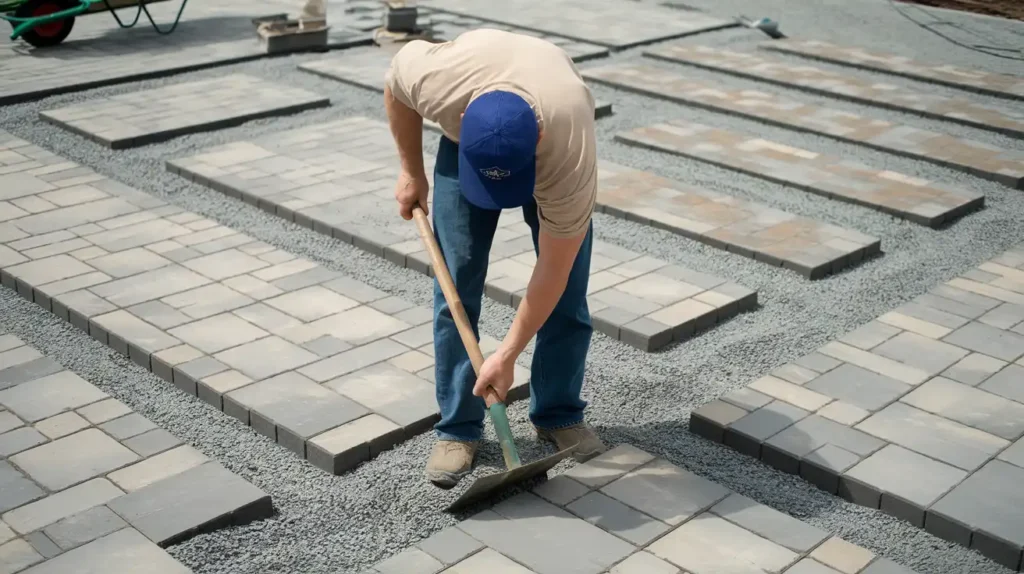
Home How to Install Decomposed Granite has become a popular topic for homeowners and landscapers seeking a cost-effective and visually appealing solution for outdoor projects. Decomposed granite (DG) is a natural material formed from weathered granite rock, offering a rustic yet refined texture that enhances pathways, driveways, patios, and gardens. Its versatility and affordability make it an excellent choice for both large-scale and DIY landscaping ventures. Beyond its aesthetic appeal, DG is valued for its practicality and sustainability. It provides excellent drainage, resists erosion, and requires minimal maintenance, making it ideal for creating durable, eco-friendly outdoor spaces. Whether you’re looking to upgrade your backyard or construct a driveway, decomposed granite is a reliable and adaptable option for transforming your vision into reality. What is Decomposed Granite? Decomposed granite (DG) is a finely weathered material derived from the natural breakdown of granite rocks over time. This crushed, gravel-like substance is known for its earthy appearance and texture, making it a popular choice in landscaping. Its composition typically includes a mix of gravel, sand, and silt, providing a soft yet stable consistency ideal for outdoor applications. For those considering granite installation, DG offers a durable and aesthetically pleasing option. There are three types of decomposed granite to consider: natural DG, stabilized DG, and resin-coated DG. Natural DG offers a loose, organic texture, while stabilized DG includes a binder for added firmness. Resin-coated DG is the most durable, creating a weather-resistant surface ideal for high-traffic areas. Whether installing DG for pathways, patios, or driveways, its versatility and natural look suit many landscaping projects. Benefits of Installing Decomposed Granite Cost-Effectiveness and Affordability Decomposed granite is a budget-friendly option for enhancing outdoor spaces. Its low cost compared to other materials makes it an excellent choice for large or small landscaping projects. Low Maintenance Requirements Once installed, DG requires minimal upkeep, saving time and effort. Its stable surface resists erosion and holds up well under various weather conditions, ensuring durability with little maintenance. Aesthetic Appeal and Natural Look The earthy tones of DG blend seamlessly with outdoor spaces, providing a natural, rustic charm. It enhances the beauty of gardens, pathways, and patios with its organic appearance. Versatility for Various Applications DG is eco-friendly and adaptable, suitable for patios, driveways, pathways, and filling paver joints. Its stable surface and drainage properties make it an excellent material for diverse landscaping needs. How to Install Decomposed Granite Installing decomposed granite (DG) is a straightforward process that delivers professional results for a variety of landscaping projects. Often recommended by landscape architects, DG is a cost-effective and versatile paving material ideal for patios, pathways, driveways, and more. Whether you’re using natural or stabilized decomposed granite, proper preparation ensures a stable and long-lasting surface. Tools and Materials Needed To install decomposed granite, you’ll need the following: Decomposed granite (natural or stabilized DG) Stabilizer (if using stabilized decomposed granite) Tamper or plate compactor Landscaping fabric Shovel, rake, and wheelbarrow Measuring tape Step-by-Step Installation Guide 1. Preparation and Planning Begin by measuring the area where you plan to install decomposed granite. Use these measurements to calculate the amount of DG required, allowing for a depth of 2-4 inches depending on the application. If opting for stabilized DG, ensure you also account for the binder material. 2. Site Preparation Clear the area of any existing vegetation, rocks, or debris. Level the ground using a shovel or rake to create a smooth, even surface. If the area is prone to poor drainage, consider slightly sloping the surface to prevent water accumulation. 3. Adding Base Layers Place landscaping fabric over the cleared area to prevent weed growth and enhance stability. For driveways or high-traffic zones, add a base layer of crushed rock or gravel to further stabilize the foundation. 4. Laying the Decomposed Granite Spread the DG evenly across the area using a shovel and rake. For stabilized decomposed granite, mix the DG with the stabilizer according to the manufacturer’s instructions before spreading. Maintain a consistent thickness to ensure an even finish. 5. Compacting and Finishing Use a tamper or plate compactor to compress the DG, creating a firm and stable surface. For pathways or patios, lightly spray the area with water to help settle the material. Repeat the compaction process as needed until the surface feels solid and smooth. By following these steps, you can install decomposed granite with ease, creating a durable and visually appealing addition to your outdoor space. Whether for decorative pathways or functional driveways, DG is a reliable and sustainable choice in modern landscaping. How Much Decomposed Granite Do You Need? Step Details Example Calculation 1. Measure Area Measure the length and width of the installation area in feet. Length = 20 ft, Width = 10 ft 2. Convert Depth Convert the desired depth from inches to feet (Depth ÷ 12). Depth = 3 inches → 0.25 ft 3. Calculate Volume Multiply Length × Width × Depth to get total volume in cubic feet. 20 × 10 × 0.25 = 50 cubic feet 4. Convert to Cubic Yards Divide the total cubic feet by 27 to convert to cubic yards (if needed). 50 ÷ 27 ≈ 1.85 cubic yards 5. Add Wastage Allowance Add 10-15% extra for wastage and settling (multiply total by 1.1 or 1.15). 1.85 × 1.15 ≈ 2.13 cubic yards Tips for Ordering Always confirm with your supplier about the type of DG (natural, stabilized, or resin-coated) and its coverage rate. For irregular or sloped areas, increase the wastage allowance to 15-20%. It’s better to slightly overestimate than to risk running out of material mid-project. This table ensures accuracy and simplifies the process of estimating decomposed granite for your project. How to Install Decomposed Granite Between Pavers Decomposed granite (DG) is an excellent material for filling gaps between pavers, offering a natural and durable solution for creating solid, stable surfaces. Not only does DG complement the rustic look of a paver pathway, but it also promotes good drainage, preventing water from pooling between the stones. When installed
How to Install Decomposed Granite for a Beautiful Outdoor Space Read More »