S F Marble & Granite

Countertops Installation

How to Select Countertop Edges?

How to Select Countertop Edges | Expert Tips and Advice

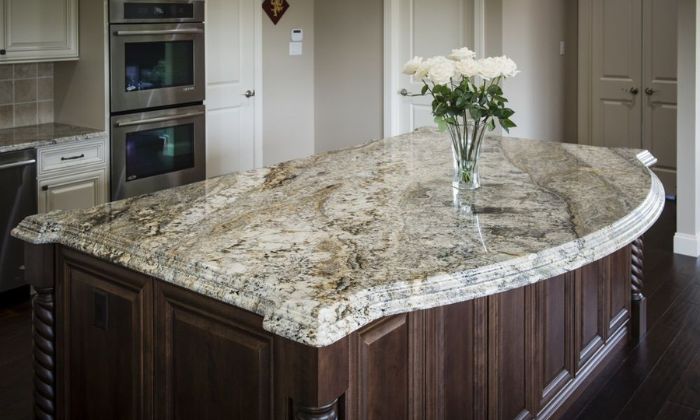
Home How to Select Countertop Edges | Expert Tips and Advice Choose an edge profile that balances your daily needs and the style you love simple, safe shapes like eased or bullnose for busy family kitchens, or decorative curves like ogee and waterfall to make a bold statement. In this guide, we’ll walk you through the key differences between functional versus decorative edge profiles, then dive into each style from the soft rounded pencil edge to dramatic waterfall edges and help you weigh the pros and cons of every option. By understanding how each profile affects look, safety, upkeep, and cost, you’ll confidently pick the perfect edge to tie your whole design together. Choosing between Functional vs. Decorative Edge Profiles When selecting different countertop edge profiles, it’s essential to weigh both functional and decorative considerations. The edge you choose affects how your countertop looks, how easy it is to use, how safe it is, and how much upkeep it needs. Here’s how to balance the two aspects: Functional Edge Profiles Functional edge profiles are designed with practicality in mind. These edges are simple, safe, and easy to take care of, making them great for busy homes or places like kitchens and bathrooms. Eased Edge The eased edge is a top choice for functionality. Its rounded corners make it safer and easier to clean, which is great for families with kids. Bullnose Edge The bullnose edge is fully rounded and has no sharp corners. This helps prevent chipping and makes it easier to clean. This edge is also great for areas where durability is a priority. Pencil Edge The pencil edge offers a soft, rounded finish that blends practicality with a modern look. It’s less prone to damage and easy to maintain which makes it the best option. Decorative Edge Profiles Decorative edge profiles focus on enhancing the visual appeal of your countertops, adding character and elegance to your space. People often choose these edges because they look stylish, but they might need a bit more care. Ogee Edge The ogee edge, with its intricate S-shaped curve, is a classic decorative choice. It adds a touch of luxury and sophistication, making it ideal for traditional or formal kitchen designs. However, the detailed curves may require more frequent cleaning. Mitered Edge Mitered edges make the countertop look thicker, giving a luxurious and elegant touch to modern kitchens. This edge is decorative and bold, perfect for making a statement but involves more complex installation. Live Edge A live edge provides a natural, organic look that stands out in rustic or eclectic spaces. It’s very decorative and has a unique, handmade look that stands out, but it might need more upkeep. Waterfall Edge The waterfall edge is the epitome of modern luxury. Extending the countertop material down the sides of the cabinets creates a smooth, continuous look, making kitchen islands or bathroom vanities look more dramatic. It’s more about aesthetics, and its seamless appearance can elevate the overall design. Types of Countertop Edges Eased Edge Countertop An eased edge is one of the most popular choices for both contemporary kitchens and bathrooms. This edge features a slightly rounded corner, offering a clean and simple look. It’s perfect for those who want a sleek design without sharp edges, making it safe and easy to clean. Pros of Eased Edge Countertop Cons of Eased Edge Countertop Live Edge Countertops For a more natural and rustic appeal, a live edge countertop mimics the raw, unfinished look of natural wood. This edge is often used with wooden or stone countertops and adds a unique, organic feel to your kitchen island or bathroom vanity. Pros of Live Countertop Edges Cons of Live Countertop Edges Waterfall Edge Countertop The waterfall edge makes the countertop material extend down the sides of the cabinets, creating a sleek and continuous look from top to bottom. This design is popular in modern kitchens for a touch of luxury. Pros of Waterfall Edge Countertop Cons of Waterfall Edge Countertop Mitered Edge Countertop A mitered edge countertop is created by joining two pieces of material at a 45-degree angle to create a thick, luxurious edge. This is a popular choice for those who want the look of a thick slab without the additional weight and cost. Pros of Mitered Countertop Edges Cons of Mitered Countertop Edges Ogee Edge Countertop An ogee edge is a classic design with an elegant curve that adds a touch of sophistication to any countertop. This edge profile is often used in traditional and formal kitchen or bathroom designs. Pros of Ogee Edge Countertop Cons of Ogee Edge Countertop Beveled Edge Countertop A beveled edge features a 45-degree angle cut along the top edge of the countertop, creating a sharp, angled look. This edge is popular in both modern and traditional kitchens, offering a clean and structured appearance. Pros of Beveled Countertop Cons of Beveled Countertop Pencil Edge Countertop The pencil edge is a soft, rounded edge that is slightly more defined than an eased edge. It’s a versatile option that works well in various kitchen or bathroom designs, offering a subtle, refined look. Pros of Pencil Edge Countertop Cons of Pencil Edge Countertop Bullnose Edge Countertop A bullnose edge is fully rounded from top to bottom, creating a smooth, continuous curve. This edge is one of the most common and is especially popular for its safety and ease of maintenance. Pros of Bullnose Countertop Edges Cons of Bullnose Countertop Edges Perfect Profiles for Every Style Choosing the right countertop edges can transform your kitchen or bathroom by balancing beauty and practicality. From simple eased or pencil edges that are safe and easy to maintain, to bold waterfall or live edge profiles that make a statement, each option brings its own personality and upkeep needs. At SF Marble & Granite Inc., we guide you through every choice helping you pick the ideal edge that complements your décor and daily routine, and ensure a flawless finish with our expert Countertops Installation in Lowell.

How to Select Countertop Edges | Expert Tips and Advice Read More »

Outdoor granite countertops

Best Outdoor Granite Countertops Installation Service

Home Selecting the right material for outdoor countertops is crucial to ensure both functionality and durability. When designing an outdoor kitchen, countertops need to withstand various weather conditions, resist stains, and maintain their aesthetic appeal over time. One of the most popular choices for outdoor countertops is granite, known for its exceptional strength and natural beauty. Outdoor granite countertops provide a perfect blend of style and resilience, making them an excellent option for outdoor kitchens. Granite’s unique properties, such as resistance to heat, scratches, and the elements, make it ideal for outdoor use, especially in regions with fluctuating weather. Whether you’re designing a sleek, modern outdoor kitchen with granite countertops or opting for a rustic look, granite offers versatility and long-lasting performance. Benefits of Outdoor Granite Countertops Outdoor granite countertops are a popular choice for homeowners looking to enhance their outdoor living spaces. Granite’s unique properties make it an ideal material for outdoor kitchens and entertainment areas.  Here are some key benefits of choosing outdoor granite countertops for your space. Durability and Longevity Granite is known for its incredible durability, making it a perfect choice for outdoor use. When used in outdoor settings, granite countertops can withstand various weather conditions, such as rain, heat, and freezing temperatures, without cracking or fading.  The stone’s natural resistance to scratches, chips, and stains means it can handle heavy use and still look great for years. Investing in an outdoor kitchen granite countertop ensures a long-lasting addition to your home that requires minimal upkeep. Aesthetic Appeal Outdoor granite countertops come in a wide range of colors, patterns, and finishes, allowing homeowners to choose a design that complements their outdoor decor. Whether you prefer a sleek, modern look or a rustic, natural aesthetic, granite offers a variety of options to suit your style.  The stone’s unique veining and natural beauty add an elegant touch to any outdoor kitchen or dining area, creating a welcoming environment for entertaining guests. Ease of Maintenance One of the significant advantages of granite countertops for outdoor kitchens is their ease of maintenance. Granite is naturally resistant to bacteria and mold, making it a hygienic choice for food preparation areas.  Regular cleaning with mild soap and water is typically all that is needed to keep outdoor granite countertops looking pristine. Additionally, sealing the granite periodically helps protect it from potential stains and extends its longevity. Types of Outdoor Granite Countertops Choosing the right granite for your outdoor kitchen countertops involves more than just selecting a color. Understanding the types of granite, popular varieties, and customization options will help you make an informed decision that enhances the beauty and functionality of your outdoor space. Here are some of the most popular granite outdoor kitchen countertops choices: Absolute Black Granite Known for its deep black color and uniform appearance, Absolute Black Granite is a favorite for those seeking a sleek and modern look. It is highly durable and resists staining, making it ideal for outdoor kitchen areas where spills and messes are common. New Venetian Gold Granite This granite features a warm, golden background with specks of brown and gray, making it an excellent choice for outdoor settings that aim for a more natural or rustic appearance. Its light color also helps to reflect heat, keeping the countertop cool even on hot days. Tan Brown Granite Characterized by its rich brown tones with black and gray speckles, Tan Brown Granite adds a sophisticated and earthy feel to outdoor kitchens. It is robust against the elements and provides a unique look that complements various outdoor decor styles. Steel Gray Granite A contemporary choice with a subtle mix of gray hues, Steel Gray Granite offers a more understated look while still delivering the durability granite is known for. This variety is particularly good for homeowners seeking a neutral color palette. Installation Process for Outdoor Granite Countertops Installing outdoor granite countertops involves several steps to ensure a perfect fit and finish. Whether you choose to hire a professional or tackle the installation yourself, understanding the process can help you achieve the best results.  Here’s a step-by-step guide to the installation process and a comparison of professional versus DIY approaches. Planning and Measurement Site Evaluation Start by evaluating the area where the granite countertops will be installed. Ensure that the space is clean, level, and free of obstructions. Accurate Measurements Measure the dimensions of your outdoor kitchen countertops carefully. Include all cuts for sinks, cooktops, and other features. Accurate measurements are crucial to ensure a proper fit and minimize mistakes. Selection and Ordering Choose Granite Type Select the granite variety that suits your style and functional needs. Consider factors like color, pattern, and thickness. If you’re unsure, consult with a specialist about what is the best material for an outdoor countertop based on your climate and usage. Order Samples Request samples of your chosen granite to see how it looks in your outdoor space and to check for color consistency. Place Your Order Once you’ve decided on the granite, place your order with a reputable supplier. Ensure that you order a bit more material than needed to account for any errors or future repairs. Fabrication Template Creation Professional installers will create a template of your countertop layout. This step is crucial for accurate cutting and fitting of the granite slabs. Granite Cutting The granite slabs are then cut according to the template using specialized equipment. This process includes cutting out spaces for sinks, cooktops, and other features. Polishing and Finishing The edges and surfaces of the granite are polished to achieve the desired finish. This may involve adding edge profiles and sealing the granite. Installation Base Preparation Ensure that the base (cabinets or supports) is level and secure. Any unevenness can lead to issues with the countertop installation. Placement of Granite Slabs Carefully place the granite slabs onto the base. This step usually requires lifting equipment due to the weight of the granite. Seaming and Leveling Join the pieces together with epoxy and make sure the

Best Outdoor Granite Countertops Installation Service Read More »

Eased edge countertop

What is an Eased Edge Countertop?

When choosing the perfect countertop for your kitchen or any other space in your home, the edge profile can significantly impact the overall aesthetic and functionality. One of the most popular and versatile options available today is the eased edge countertop. This style of countertop edge is known for its clean, simple lines that provide a subtle, rounded appearance, making it a favorite for modern and contemporary designs. The eased countertop edge not only adds a sleek look to your kitchen but also enhances safety by softening sharp edges. In this article, we’ll explore why the countertop eased edge is a preferred choice for homeowners to install countertops, and how it can seamlessly blend with various interior styles. Types of Eased Edge Countertops It generally comes in a different range of styles, from standard to premium options, each offering unique characteristics to suit various design preferences and functional needs. Here’s a breakdown of the two different types: Standard Eased Edge Countertops Standard countertop eased edges refer to the various shapes and styles in which the outer edges of a countertop can be finished. These edges not only contribute to the aesthetic appeal of the countertop but also influence its functionality and safety.  Choosing the right eased edge countertop profile is essential as it can affect the overall design of the kitchen or space, as well as how comfortable and practical the countertop will be for everyday use. Here are some of the most common types of standard countertop edges: Eased Edge An eased edge is characterized by its slightly rounded top corner, which creates a simple and clean look. This edge style is one of the most popular due to its versatility, blending well with both modern and traditional designs. It offers a subtle finish that softens the sharpness of a straight edge while still maintaining a square appearance. Beveled Edge A beveled edge features an angular cut at the top corner of the countertop, usually at a 45-degree angle. This design adds a distinctive look to the countertop and can create a more refined and elegant appearance. The beveled edge is often used in kitchens with a classic or transitional style, adding a touch of sophistication. Bullnose Edge The bullnose countertop edge is fully rounded, giving the countertop a smooth, curved appearance. This type of edge is not only visually appealing but also highly functional, as it eliminates any sharp corners, making it safer, especially in households with young children. The bullnose countertop edge is a timeless choice that works well in various kitchen styles, from traditional to contemporary. Premium Eased Edge Countertops Premium eased countertop edges are designed to elevate the overall look and feel of a kitchen or bathroom, offering unique, luxurious, and often intricate design options. These edges are crafted to enhance the visual appeal of high-end kitchen countertops, adding a distinct touch that reflects the homeowner’s style and the home’s design aesthetic.  While standard edges like the eased edge provide clean, simple lines, premium edges offer more elaborate designs that stand out, making them a popular choice for those seeking a more customized and sophisticated look. Here are some popular premium countertop edge options: Ogee Edge The ogee edge is a premium countertop edge that features an S-shaped curve with two graceful arches, one concave and one convex. This decorative style is known for its traditional and elegant appeal, often used in classic or luxurious kitchen designs.  The ogee edge adds a sense of depth and complexity to the countertop, making it a focal point in the room. Its intricate shape works well with ornate cabinetry and sophisticated decor, enhancing the overall richness of the space. Mitered Edge The mitered edge is a sleek and modern countertop edge eased design where two pieces of stone are cut at a 45-degree angle and joined together to create a seamless edge. This edge style gives the illusion of a thicker countertop, making it a popular choice for those looking to make a bold statement.  The eased edge countertops and mitered edge countertops are often used with quartz or marble countertops, especially in modern and contemporary kitchens, to create a clean, streamlined look that emphasizes the beauty of the stone. Rock Edge The rock edge, also known as a chiseled or rough edge, features a rugged, natural look that mimics the appearance of raw, unfinished stone. This countertop edge is intentionally left uneven and textured, giving it an organic and earthy feel that is perfect for rustic or farmhouse-style kitchens.  The rock edge adds a unique character and charm, making each countertop one-of-a-kind due to the variation in the natural stone’s texture. Common Home Applications for Eased Edge Countertops  It is a versatile choice that seamlessly fits into a variety of home settings, making it an excellent option for those looking to update their countertops. With their subtle rounded edges, they provide a balance of style, safety, and functionality, making them a favorite for modern homeowners.  Here are the five most common areas where eased edge countertops shine: Kitchens In the kitchen, an eased edge countertop offers a sleek and contemporary look that creates smooth transitions between different surfaces, such as the countertop and backsplash.  The rounded edges help prevent injuries from accidental bumps, which is especially beneficial in a busy kitchen environment. Whether it’s an quartz countertop eased edge or an eased edge granite countertop, this style enhances the modern aesthetic while providing a safe and functional workspace for cooking and meal preparation. Bathrooms For bathroom vanities and sinks, eased edge granite countertops provide a clean, polished look that complements both modern and traditional bathroom designs. The softened edges add a touch of elegance while reducing the risk of bumps and bruises in smaller spaces.  Additionally, the smooth edge profile is easier to clean and maintain, making it a practical choice for bathrooms where moisture and hygiene are key considerations. Laundry Rooms In laundry rooms, where practicality is paramount, eased edge quartz countertops enhance the functionality of the

What is an Eased Edge Countertop? Read More »

walnut kitchen cabinets

10 Best Modern Walnut Kitchen Cabinets Design Ideas

Stylish Walnut Kitchen Cabinets for Modern Homes Home When it comes to kitchen design, few materials bring the natural elegance and versatility that walnut kitchen cabinets do. Known for their rich color, intricate grain patterns, and durability, walnut cabinets are a top choice for homeowners who want a modern, stylish look. Whether you’re renovating an old kitchen or designing a new one, walnut kitchen cabinets can transform your space, adding warmth and sophistication. In this article, we’ll explore the pros and cons of walnut kitchen cabinets, how to care for them, the best ways to style your kitchen with walnut cabinets, and more. Pros of Walnut Kitchen Cabinets Timeless Appeal and Beauty One of the main reasons walnut kitchen cabinets are so popular is their natural beauty. Walnut wood has a rich, deep color that can range from golden brown to dark chocolate, making it versatile enough for any modern kitchen. The wood’s grain pattern is unique, with swirling patterns that add a touch of elegance and sophistication. This makes walnut cabinets a perfect choice for those looking to add a touch of nature to their kitchen design. Durability and Strength Walnut is a hardwood, meaning it’s strong and durable. This makes walnut kitchen cabinets highly resistant to wear and tear, ensuring that they last for years. Their sturdy construction makes them an excellent investment for families or anyone who uses their kitchen frequently. The wood is also resistant to warping, which is an essential feature for cabinetry exposed to the humidity and heat often found in kitchens. Versatility in Design Walnut cabinets come in various shades, from light walnut to dark walnut, allowing you to find the perfect look for your kitchen. Whether you’re after a modern walnut kitchen with sleek lines and contemporary finishes or a rustic walnut kitchen with a more traditional look, there’s a walnut cabinet style to suit every design preference. Walnut also pairs beautifully with a range of countertop materials, such as marble countertops or stainless steel, offering you endless design possibilities. Cons of Walnut Kitchen Cabinets Cost While walnut kitchen cabinets offer many advantages, one of the drawbacks is their cost. Walnut is a premium hardwood, and cabinets made from this wood tend to be more expensive than those made from other materials. However, if you’re looking to invest in long-lasting quality and a timeless design, the price may be worth it. Maintenance Although walnut kitchen cabinets are durable, they do require regular maintenance to keep them looking their best. The wood should be cleaned with a gentle cleaner to avoid damaging the surface. Additionally, walnut wood needs to be treated with a protective finish to prevent moisture damage, scratches, and stains. If not properly maintained, walnut can lose its rich shine over time. Sensitivity to Sunlight Like most wood, walnut kitchen cabinets can fade when exposed to direct sunlight for extended periods. The rich color of walnut wood may gradually lighten or change over time. To prevent this, you can use blinds or curtains to minimize exposure to direct sunlight, ensuring that your walnut cabinets retain their stunning color for longer. How to Care for Walnut Kitchen Cabinets Taking care of walnut kitchen cabinets is relatively easy, but it does require some attention to detail. Here are a few tips to keep your walnut cabinets in top shape: Clean Regularly: Use a soft cloth and mild detergent to wipe down your walnut cabinets. Avoid using harsh chemicals, as they can damage the wood’s surface. Apply a Protective Finish: Walnut wood is porous, so it’s essential to apply a protective finish, such as a wood polish or oil, to help seal the wood and protect it from stains and moisture. Avoid Direct Sunlight: As mentioned earlier, walnut wood can fade under prolonged exposure to sunlight. Protect your cabinets by keeping them away from direct sunlight or using window coverings. Repair Scratches Promptly: If your walnut cabinets get scratched, take care of the damage immediately by buffing out the scratch or using a wood filler to fill in the imperfection. How to Style Your Kitchen with Walnut Cabinets Stylish walnut kitchen cabinets can complement a wide variety of kitchen designs. Here’s how you can style your kitchen with walnut cabinets to make the most of their beauty and versatility: Pair with Light Countertops Walnut kitchen cabinets, especially darker shades like dark walnut, can create a beautiful contrast when paired with light-colored countertops. Marble countertops, in particular, complement walnut wood well, adding an extra touch of luxury to your kitchen design. The light marble’s texture and color provide a striking contrast against the deep tones of walnut wood. Go for Stainless Steel Appliances For a modern walnut kitchen, pair your cabinets with sleek stainless steel appliances. The shiny, reflective surfaces of stainless steel will contrast beautifully with the rich tones of walnut, giving your kitchen a fresh, contemporary look. Stainless steel also offers a functional, durable, and easy-to-clean surface that blends seamlessly with walnut cabinetry. Add a Touch of Black If you’re after a bold, modern look, black walnut kitchen cabinets can be a perfect fit. Pair them with contrasting light-colored backsplashes or white countertops to make the black walnut wood stand out. The dark tones of black walnut create a dramatic effect and give your kitchen a sophisticated, high-end feel. Best Countertops for Walnut Cabinets When selecting countertops for walnut kitchen cabinets, consider materials that either complement or contrast with the warm tones of walnut. Here are a few of the best options: Marble Countertops Marble is an excellent choice for walnut kitchen cabinets, especially for modern walnut kitchen designs. The veining in marble countertops can enhance the natural beauty of walnut, creating a sophisticated and elegant look. Whether you choose white marble with dark veins or a lighter shade of marble, it can create a luxurious ambiance. Granite Countertops Granite is another great option for walnut kitchen cabinets. Available in a range of colors, granite can either complement or contrast with the

10 Best Modern Walnut Kitchen Cabinets Design Ideas Read More »

Cabinets and countertops

Top Quality Cabinets and Countertops for Your Home

Home Top Quality Cabinets and Countertops for Your Home Designing a kitchen goes beyond just picking out the latest styles. It’s about finding the perfect balance between beauty, durability, and cost. When it comes to choosing the right kitchen cabinets and countertops, these three factors are key to creating a kitchen space that not only looks stunning but also stands the test of time. After all, your kitchen is more than just a place to cook; it’s the heart of your home. However, selecting the ideal cabinets and countertops isn’t just about matching colors and materials. It’s about considering how each choice will impact the overall feel and functionality of your kitchen. From understanding your personal style to assessing the practicality of different materials, making informed decisions can elevate your kitchen from ordinary to extraordinary. Partnering with a trusted home improvement expert can help you navigate these choices, ensuring your kitchen design is both beautiful and built to last. Why Choose Quality Cabinets and Countertops? Investing in quality cabinets and countertops ensures longevity and durability. High-quality materials withstand daily wear and tear, making them a cost-effective choice in the long run. They maintain their appearance and functionality for years, enhancing your home’s value. White cabinets and white countertops create a clean, modern look that brightens any room. This timeless combination offers versatility, easily matching various styles and décor. Quality materials keep these surfaces looking pristine, requiring less maintenance over time. Pairing white cabinets and granite countertops provides a classic yet sophisticated aesthetic. Granite adds a touch of luxury and durability, while white cabinets with black countertops offer a fresh, bright contrast. This combination not only enhances your space’s appeal but also boosts its functionality. Types of Cabinets and Countertops When planning a kitchen renovation, understanding what types of kitchen countertops and cabinets are available is crucial. The right combination of materials, styles, and finishes can transform your kitchen into a stylish and functional space. Whether you’re drawn to classic designs or modern trends, exploring different options will help you choose the best fit for your home. Cabinet Options for Modern Kitchens Modern kitchens offer a variety of cabinet styles that cater to diverse tastes and preferences. Some of the most popular styles include: Shaker Cabinets Known for their simple, clean lines and timeless appeal, shaker cabinets are a favorite in many kitchens, especially those with white cabinets and white granite countertops. Their versatility makes them suitable for both traditional and contemporary settings. Slab Cabinets For a sleek and modern look, slab cabinets are the go-to choice. These cabinets feature a flat, frameless design that complements minimalist kitchen styles. They pair beautifully with white countertops and dark cabinets, creating a striking contrast that is both modern and elegant. Inset Cabinets Inset cabinets are designed to sit flush with the frame, offering a seamless, refined appearance. This style is perfect for homeowners looking to achieve a classic, tailored kitchen design. Trending Countertop Materials Countertop trends for 2024 are all about combining aesthetics with functionality. When choosing countertops, it’s essential to consider how the material complements your cabinets.  Here are some of the most popular materials for kitchen cabinets and countertops: Granite Granite countertops offer durability and a wide range of colors and patterns. They pair beautifully with white cabinets, creating a classic, sophisticated look. Granite’s natural veining adds texture and interest to kitchens with white cabinets and white granite countertops. Quartz Quartz countertops are a popular choice for their low maintenance and uniform appearance. They are available in a variety of colors, making them an excellent option for kitchens with white countertops and dark cabinets, providing a modern, high-contrast look. Marble Marble countertops exude luxury and elegance. While they require more care than other materials, their unique veining and timeless beauty make them a desirable choice for homeowners looking to make a statement. Best Combinations of Cabinets and Countertops Choosing the right combination of kitchen countertops and cabinets is essential for achieving your desired kitchen aesthetic. Whether you’re looking for a clean and bright design or a bold and dramatic look, there are numerous options to consider.  Let’s explore some of the best combinations of kitchen cabinets and countertops to inspire your next kitchen renovation. White Cabinets and White Countertops One of the most enduring kitchen trends is the combination of white cabinets and white countertops. This classic pairing creates a fresh, clean look that can make any kitchen feel more spacious and inviting. The all-white aesthetic reflects light beautifully, enhancing the brightness of the kitchen. It’s an ideal choice for homeowners who prefer a minimalist design or want to create an airy, open atmosphere. To add depth and interest to a kitchen with white cabinets and white countertops, consider incorporating textures through materials like marble or quartz. These materials offer subtle variations in color and veining, adding a touch of sophistication without compromising the clean aesthetic. Kitchen with White Cabinets and Black Countertops For a more dramatic and contemporary look, a kitchen with white cabinets and black countertops offers a stunning contrast. This combination balances the lightness of white cabinetry with the boldness of black countertops, creating a striking visual impact. It’s an excellent choice for homeowners looking to make a statement with their kitchen design. Black granite or quartz countertops are popular choices that add depth and richness to the space, while white cabinets keep the overall look from becoming too dark. Pairing this combination with a backsplash for black granite countertops and white cabinets, such as a light-colored subway tile or a reflective glass tile, can enhance the contrast and provide a cohesive look. Kitchens with White Cabinets and Granite Countertops Granite countertops are known for their durability and natural beauty, making them a versatile option for many kitchen styles. Kitchens with white cabinets and granite countertops offer a balanced mix of elegance and practicality. The natural patterns and colors of granite add character to the kitchen, while white cabinets provide a crisp, clean backdrop. This combination works

Top Quality Cabinets and Countertops for Your Home Read More »

How to clean quartz countertops

How To Clean Quartz Countertops

How to Clean Quartz Countertops Home Begin by simply wiping your quartz surfaces with warm, soapy water and a soft microfiber cloth no need for harsh chemicals or elbow grease. This gentle routine keeps spills and crumbs at bay, restores that smooth, polished finish, and ensures your countertops look fresh every day. Quartz earns its reputation as a low-maintenance superstar thanks to its non-porous, stain-resistant makeup and built-in heat tolerance. Whether it’s coffee drips in the morning or dinner prep messes, a quick daily wipe is all it takes to preserve its sleek, modern appeal in any kitchen or bathroom. At SF Marble & Granite, we’ve installed countless quartz countertops in Lowell homes, and we know the simple habits that keep them looking brand new for years. In the following guide, you’ll discover our favorite tips for tackling tougher spots, preventing stains, and maintaining that flawless shine so your quartz continues to shine as brightly as the day it went in. How to Clean and Maintain Butcher Block Countertops? While this guide is primarily focused on quartz countertops, it’s worth briefly mentioning other popular countertop materials, such as butcher block, for comparison. Butcher block offers a warm, natural look that adds character to any kitchen, but it requires more maintenance than quartz. Unlike quartz, which is non-porous and resistant to staining, butcher block countertops can absorb liquids and may require periodic sealing to maintain their durability. That said, if you’re here to learn how to clean quartz countertops, it’s important to know that quartz offers a simpler, low-maintenance option. Unlike butcher block, quartz doesn’t need sealing, and it resists stains, scratches, and heat much better. So, while butcher block may require oiling and careful cleaning, maintaining quartz is much easier with regular cleaning using mild soap and water, keeping your quartz surfaces looking fresh and clean with minimal effort. Why Cleaning Quartz Countertops Is Important? Cleaning your quartz countertops regularly is key to maintaining both their beauty and hygiene. While quartz is incredibly durable, it’s still important to keep it clean to preserve its sleek appearance and functionality. Regular cleaning ensures that your surfaces remain as stunning as the day they were installed, whether in your kitchen, bathroom, or any other high-traffic area of your home. If you’re considering new countertops, make sure to look into countertops installation to find professionals who can help you get the best quartz surfaces for your space. From a sanitary perspective, cleaning is especially crucial in kitchens and bathrooms, where spills, food particles, and germs can easily accumulate. By wiping down your quartz surfaces after each use, you can prevent bacteria buildup and ensure a clean environment. So, when you’re wondering what to clean quartz countertops with, remember that using a gentle, non-abrasive cleaner, like mild soap and water, will do the trick without damaging your countertops. Neglecting to clean quartz countertops can lead to tougher stains and spills that are harder to remove later on. Food stains, oils, or even watermarks can settle in if not cleaned quickly. That’s why it’s important to follow a consistent cleaning routine to keep your quartz countertops looking fresh and free from discoloration. By knowing how to clean quartz countertops properly, you’ll protect their beauty and extend their lifespan, keeping them looking flawless for years to come. Dos and Don’ts of Cleaning Quartz Countertops? To maintain the beauty of your quartz countertops, regular cleaning is essential, there are a few simple rules to follow. By knowing how to clean quartz countertops properly, you can avoid common mistakes that might damage your surfaces and ensure they stay beautiful for years to come. Dos Clean your countertops after each use: It’s always a good idea to clean up spills and crumbs as soon as they happen. This prevents any food or liquids from getting in and makes cleaning easier later on. Wipe countertops with a dry microfiber cloth after cleaning: After washing your quartz surface with a mild cleaner or soap and water, take a moment to wipe it dry with a soft microfiber cloth. This helps maintain the shine and prevents streaks from forming. Don’ts Avoid abrasive cleaners and sponges: Harsh scrubbers can scratch and damage the surface of your quartz countertops. Stick to gentle cleaning methods to protect the finish and keep it looking new. Do not use bleach or harsh chemicals: Bleach and other strong chemicals can dull the surface and cause discoloration. Instead, opt for a cleaner for quartz counter that’s gentle and safe for daily use. By following these simple dos and don’ts, you’ll keep your quartz countertops looking flawless and ensure they stand the test of time. Whether you’re cleaning up after a meal or just giving your surfaces a quick wipe down, knowing how to clean quartz countertops properly makes all the difference! How Often to Clean Quartz Countertops? The frequency of cleaning depends on usage. For high-traffic areas like kitchens and bathrooms, daily cleaning is best to prevent spills, watermarks, and buildup. A quick wipe with a damp cloth and mild cleaner keeps quartz surfaces spotless. In low-traffic areas, like a guest bathroom or vanity, cleaning after each use is usually enough. By maintaining a simple routine and knowing how to clean quartz countertops properly, you can keep them looking pristine with minimal effort! Materials Needed While cleaning your quartz countertops effectively, you don’t need much, just a few essential materials that make the process quick and easy. Here’s what you’ll need to ensure that how do to clean your quartz countertops without any hassle: Microfiber cloth(s): These soft, lint-free cloths are perfect for wiping down your quartz surfaces without scratching them. They also help to buff your countertops to a streak-free shine after cleaning. Dish soap: A gentle dish soap diluted in warm water is an excellent solution for everyday cleaning. It’s effective yet safe for your quartz countertops, leaving them fresh without causing any damage. Water: Plain water is an essential part of the cleaning process, helping to rinse

How To Clean Quartz Countertops Read More »

does-quartzite-stain

Does Quartzite Stain? How to Protect and Clean Your Countertops

Home Does Quartzite Stain? How to Protect and Clean Your Countertops Quartzite is a natural stone known for its stunning patterns, strength, and durability, making it a popular choice for countertops, vanities, and backsplashes. Many homeowners wonder does quartzite stain, especially when exposed to water, oils, or acidic substances. While quartzite is highly resistant compared to softer stones like marble, proper care and maintenance are key to keeping its surface looking flawless. Understanding how to clean, seal, and protect quartzite ensures it retains its beauty for years while minimizing the risk of stains or damage. Understanding Quartzite Quartzite is a natural stone formed from sandstone under heat and pressure. It’s strong, elegant, and often chosen for modern homes. Many people ask, Does quartzite stain, and the answer depends on its natural properties and maintenance. How Quartzite Differs from Granite and Marble Granite: Similar durability but with more grain patterns. Marble: Softer, more likely to scratch or stain. Quartzite: Harder than marble, stylish like marble, yet nearly as resilient as granite. Natural Properties That Affect Staining Dense but slightly porous, which means sealing is important. Can resist most spills but may need quick cleaning to avoid marks. Without care, water or oils can leave faint stains over time. Why Homeowners Love Quartzite A stylish look that mimics the beauty of marble. Long-lasting strength, perfect for quartzite countertops. Easy to care for when you know how to remove stains from quartzite. Adds value to kitchens, vanities, and backsplashes. At SF Marble and Granite, we help homeowners choose and care for quartzite so it keeps its natural shine for years. Can Quartzite Stain Homeowners often ask, Does quartzite stain, especially when used in busy kitchens. While quartzite is harder and denser than marble, it still has small pores that can absorb liquids if not sealed. Factors That Make Quartzite Prone to Stains Lack of proper sealing Spills left too long on the surface Oils and dark liquids that penetrate pores Common Types of Stains Quartzite water stains: Appear as cloudy rings or spots when water seeps in Oil stains: From cooking oils or greasy foods Wine and coffee: Leave darker marks if not cleaned quickly Acidic spills: Cause etching, which looks like dull spots rather than stains Using the right cleaning solutions, like a professional-grade stain out, helps remove marks without damaging the stone. Regular sealing and quick cleanup are the best ways to keep quartzite surfaces looking fresh. How to Prevent Stains on Quartzite A common concern is whether quartzite stains over time. The answer is yes, but with the right care and sealing, you can easily protect the surface. Importance of Sealing Quartzite Surfaces Sealing reduces the risk of stains and etching on quartzite. Most quartzite should be sealed once every 1–2 years. Professional granite fabrication teams often provide sealing during installation. Best Sealers and Application Tips Choose high-quality, penetrating sealers for long-lasting protection. Apply evenly with a soft cloth, let it soak, and wipe off excess. Reapply sooner in busy kitchens or bathrooms. Daily Precautions and Cleaning Habits Clean spills immediately, especially oils, wine, or coffee. Use mild soap and warm water for daily cleaning. Avoid harsh chemicals or rough pads that may damage the surface. When comparing quartzite vs granite, both are durable, but quartzite needs a bit more attention to sealing. With simple care, your quartzite will keep its natural shine for years. How to Remove Stains from Quartzite Wondering if quartzite stain? While quartzite is durable, stains can appear if spills are left untreated. Knowing how to remove stains from quartzite helps keep your surfaces spotless. Water and light marks – Wipe with warm water and a mild cleaner to clean quartz effectively. Oil stains – Apply a baking soda paste, leave for a few hours, then rinse. Wine or acidic spills – Use a pH-neutral stone cleaner instead of harsh chemicals. Tough stains – For deeper marks, call professionals for safe treatment instead of risking damage. By acting quickly and using gentle methods, you can keep quartzite looking fresh without dullness or damage Maintenance & Care Tips Homeowners often ask, Does quartzite stain with daily use? The answer depends on how well you maintain it. Quartzite is strong, but like any natural stone, it needs care. Regular cleaning – Wipe spills quickly with warm water and a soft cloth to avoid quartzite water stains. Recommended products – Use pH-neutral stone cleaners instead of harsh chemicals. They’re gentle and effective. Sealing – Reseal your quartzite once a year to keep it stain-resistant and protected from etching. Long-term care – Avoid dragging heavy pots or tools across the surface, which also applies to marble floor installation and other natural stone. Working with a trusted stone supplier ensures you get quality quartzite that lasts longer with proper care. Why Choose Professional Help Many homeowners worry, does quartzite stain over time? While basic cleaning works for light marks, deeper stains and etching on quartzite often need expert care. Expert solutions – Professionals know how to treat stains safely without harming the stone. Proper sealing – Incorrect sealing can leave quartzite exposed. Expert countertop installation services ensure lasting protection. Avoiding damage – DIY fixes sometimes worsen the problem. Instead, searching for trusted granite countertops near me helps you find skilled teams for long-term care. With professional help, quartzite stays polished, strong, and beautiful for years. get a free quote Final Thought Quartzite stands out for its durability, elegance, and timeless charm. While many wonder does quartzite stain, the answer is simple: with sealing, regular cleaning, and quick action on spills, this stone keeps its beauty for years. For expert guidance and reliable service, SF Marble and Granite is here to help you maintain quartzite with confidence. FAQs Does quartzite stain easily? Quartzite is less porous than marble, but it can stain if spills are left unsealed or untreated. Regular sealing helps reduce the risk. How do I remove stains from quartzite without damage? Light marks can be cleaned with warm

Does Quartzite Stain? How to Protect and Clean Your Countertops Read More »

travertine countertops

The Pros and Cons of Travertine Countertops

Home When it comes to choosing the perfect countertop material for your home, the options can seem endless. Granite, quartz, and marble often dominate the conversation, but have you considered travertine countertops? This natural stone has been used for centuries in architecture and design, offering a rich blend of historical significance and timeless elegance. More than just a durable surface, travertine brings a unique beauty to both kitchens and bathrooms, making it an excellent alternative to more common materials. Whether you’re seeking a rustic, old-world charm or a sleek, modern look, travertine kitchen countertops provide the versatility and aesthetic appeal you need to elevate your home’s design. Is Travertine Good for Countertops? Absolutely! Travertine for countertops offers a stunning, durable surface for both residential and commercial spaces. Just like granite and marble, travertine is a natural stone, known for its smooth texture and timeless beauty. Whether you’re renovating your kitchen or upgrading your bathroom, travertine provides a sophisticated and long-lasting solution. One of the standout features of travertine is its availability in both travertine tile and travertine slab formate, offering flexibility to match your design preferences. With a variety of hues ranging from warm earth tones to cool neutrals, it’s easy to find the perfect match for your space. Travertine Countertops Pros and Cons Travertine countertops are gaining popularity for their luxurious and natural beauty, often compared to high-end stones like marble and granite. This natural stone offers a distinct chic look that appeals to homeowners seeking elegance without breaking the bank. Travertine’s versatility allows it to shine in both indoor and outdoor applications, such as backsplashes, showers, and sinks. Just like any other countertop material, travertine comes with its benefits and drawbacks. One of the most significant advantages is its affordable price point. While granite and marble start at around $15 per square foot, travertine countertops can be found for as low as $11 per square foot, offering luxury at a more accessible price. Pros of Travertine Countertop Cons of Travertine Countertop Is Travertine Countertops Useful in the Kitchen? Travertine kitchen countertops are highly heat-resistant, making them ideal for handling hot pots and pans without damage. This natural stone offers a unique, earthy look that enhances any kitchen’s aesthetic. Its natural beauty makes it a standout choice for those seeking a blend of elegance and functionality. However, travertine countertops in the kitchen require consistent maintenance. Being porous, they are prone to stains and scratches if not properly sealed and cared for. Regular sealing and careful cleaning are necessary to preserve their appearance and durability, ensuring they remain a lasting feature in your kitchen. Should You Choose Travertine as a Kitchen Countertop? When considering travertine countertops, it’s essential to evaluate your kitchen or bathroom’s specific needs. This natural stone boasts durability, heat resistance, and a unique appearance, but it requires regular maintenance to keep it in top condition. Before committing to travertine, research its various colors, patterns, and finishes to see which suits your style. Additionally, consult with natural stone experts to ensure you understand the care requirements and long-term durability. With the right knowledge, you can decide if travertine is the ideal choice for your home. Expert Travertine Countertop Installations You Can Trust Upgrade your home effortlessly with our professional travertine countertop installations. At SF Marble & Granite, we ensure every surface is crafted with precision and care to bring natural elegance into your kitchen. Ready for a transformation? Discover our specialized services at Countertops Installation In Lowell and let our experts turn your vision into reality. FAQs What is the disadvantage of travertine? One of the main drawbacks of travertine is its porosity. This characteristic makes it susceptible to staining and requires regular sealing to maintain its appearance and durability. Additionally, travertine can be prone to scratching and may need frequent maintenance compared to less porous materials. Is travertine good for a kitchen? Travertine can be a stylish choice for kitchens, offering unique beauty and heat resistance. However, due to its porous nature, it requires regular sealing to prevent stains and damage. While it can handle everyday kitchen use, the extra maintenance may not be ideal for all homeowners. Is travertine more expensive than granite? Travertine is less expensive than granite. However, the overall cost can vary based on factors such as quality, finish, and installation. Granite’s durability and lower maintenance needs can sometimes justify its higher price, making it a cost-effective choice in the long run for some.

The Pros and Cons of Travertine Countertops Read More »

Resurface granite countertops

How to Resurface Granite Countertops?

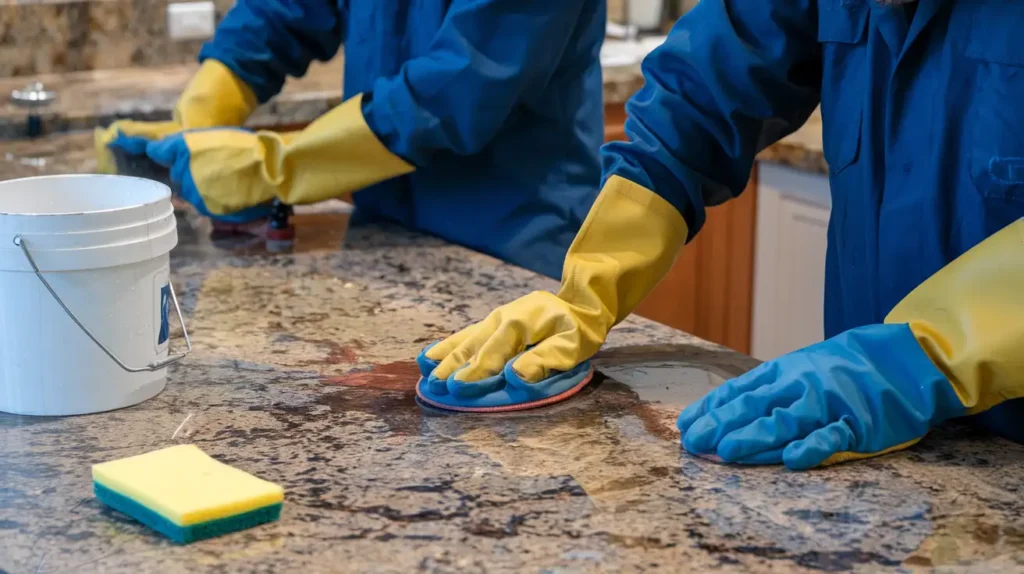
Home How to Resurface Granite Countertops? You restore your granite’s natural shine by first giving it a thorough cleaning, then filling any chips or scratches, sanding the surface smooth with diamond pads, polishing it to a glossy finish, and finally sealing it to lock in protection, this simple sequence brings back that fresh-from-the-factory look. Granite countertops add timeless elegance and toughness to your kitchen, but everyday spills and utensils can dull their sparkle over time. By following these steps, clean, repair, sand, polish, seal, you’ll not only refresh the stone’s beauty but also extend its life. Whether you tackle it yourself or call in professionals, you’ll enjoy a surface that looks as stunning as the day it was installed. What Does It Mean to Resurface Granite Countertops? Resurfacing granite countertops involves restoring their surface to its original smoothness and shine by removing imperfections such as scratches, stains, or dull areas. This process typically includes cleaning, polishing, and sealing the granite to rejuvenate its appearance and protect it from future damage. The key difference between resurfacing and refinishing granite countertops lies in the depth of treatment. Resurfacing focuses on the surface layer, addressing minor wear and restoring the countertop’s shine. Refinishing, on the other hand, involves more extensive work, such as grinding down the stone to remove deep scratches or significant damage, followed by polishing and sealing. Can You Resurface Granite Countertops Yourself? DIY granite countertop resurfacing is feasible, but it requires time, patience, and the right tools. Homeowners can achieve decent results if they’re careful and follow the proper steps. However, the process can be challenging, especially for those without experience working with granite. Necessary Tools and Materials To resurface granite countertops yourself, you’ll need tools and materials such as How to Resurface Granite Countertops: Step-by-Step Guide Step 1: Cleaning and Preparing the Granite Surface Begin by thoroughly cleaning the granite countertop. Use a granite-specific cleaner or a mild dish soap mixed with warm water. Wipe down the entire surface with a soft cloth, ensuring all dirt, grease, and residues are removed. Let the countertop dry completely before moving to the next step. Step 2: Repairing Chips, Cracks, and Other Imperfections Examine the countertop for any chips, cracks, or scratches. Use an epoxy resin or a granite repair kit to fill in these imperfections. Follow the manufacturer’s instructions, and allow the repairs to cure fully. Once dry, gently sand the repaired granite countertops areas to level them with the rest of the surface. Step 3: Sanding the Granite Surface for a Smooth Finish Using diamond polishing pads or a handheld sander, start sanding the granite surface. Begin with a coarse grit (e.g., 100-grit) and gradually move to finer grits (up to 3000-grit) for a smooth finish. Sand in circular motions, applying even pressure across the surface. Wipe away dust between grit changes. Step 4: Applying a Granite Polishing Compound After sanding, apply a granite polishing compound to restore the stone’s shine. Using a soft cloth or a polishing pad, buff the compound into the surface in a circular motion. Continue polishing until the granite achieves a glossy, uniform finish. Wipe off any excess compound with a clean cloth. Step 5: Sealing the Granite to Protect It from Future Damage The final step is sealing the granite to protect it from stains and future wear. Apply a granite sealer evenly across the surface, following the product instructions. Allow the sealer to penetrate the stone for the recommended time, then wipe off any excess. Let the countertop cure for the specified period before use. How Much Does It Cost to Resurface Granite Countertops? The cost to resurface granite countertops can vary depending on whether you choose to do it yourself or hire a professional. DIY Resurfacing Costs If you opt to resurface the countertops yourself, the cost is generally lower. You’ll need to purchase materials like diamond polishing pads, granite cleaner, polishing compound, and sealer, which can range from $100 to $300 depending on the quality and quantity of supplies. If you don’t already own necessary tools like a sander, renting or buying one could add to the expense. Professional Resurfacing Costs Hiring a professional to resurface granite countertops typically costs between $300 and $1,200, depending on the size of the area, the condition of the granite, and the local labor rates. Professionals bring expertise and specialized equipment, which can lead to a higher-quality finish and longer-lasting results. Resurface Granite Countertops to Restore Their Natural Luster When daily use has dulled your stone’s shine or minor scratches have stolen its sparkle, it’s time to resurface granite countertops and bring back that showroom-worthy gleam. Our team at SF Marble & Granite Inc. gently sands away imperfections with diamond polishing pads, buffs on a premium polishing compound, and seals the surface to lock in protection giving you a smooth, glossy finish that lasts. Whether you’ve spotted faint etches around the sink or notice a dull patch by the stove, professional resurfacing saves you the cost and hassle of a full replacement. Plus, when you’re ready for a complete kitchen refresh, ask us about Countertops Installation in Lowell to pair your newly gleaming granite with the perfect complementary surface. Why Choose SF Marble Granite for Your Granite Countertop Resurfacing Needs? Choosing SF Marble Granite for resurfacing granite countertops needs ensures you receive top-quality service backed by years of experience and expertise. Our team of skilled professionals is dedicated to restoring your granite surfaces to their original beauty, using the latest techniques and high-grade materials. We understand the unique characteristics of granite and tailor our approach to deliver a flawless finish that enhances the longevity and aesthetic appeal of your countertops. At SF Marble Granite, we prioritize customer satisfaction, offering personalized service to meet your specific needs and preferences. Our commitment to excellence means you can trust us to handle your resurfacing project with precision and care, providing results that exceed expectations. Whether you’re looking to refresh the look of your kitchen or maintain the

How to Resurface Granite Countertops? Read More »

granite kitchen countertops

High Quality Granite Kitchen Countertops for Your Home

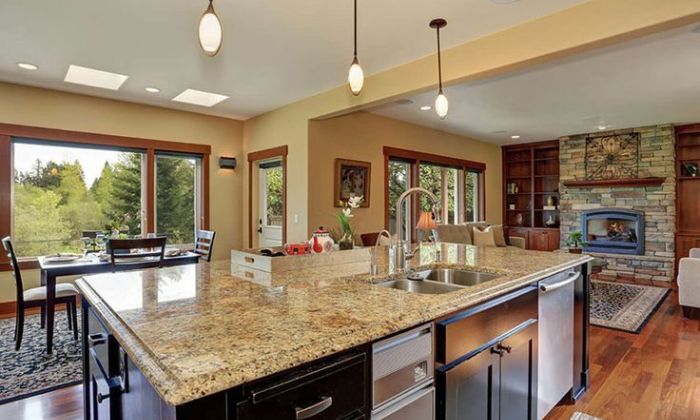
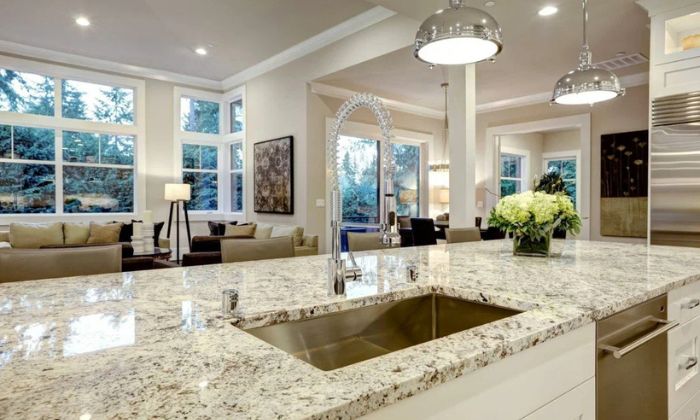
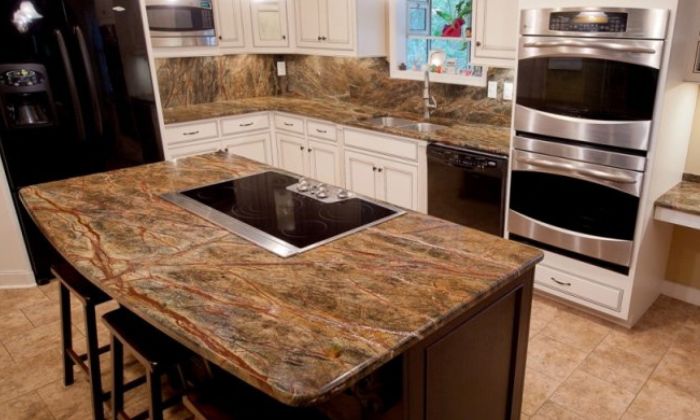
Best Granite Kitchen Countertop Ideas for a Perfect Cooking Space Granite kitchen countertops are a top choice for homeowners looking to blend style, durability, and functionality in their cooking space. Known for their natural beauty and exceptional strength, granite countertops add a luxurious feel to any kitchen. With a variety of granite designs for kitchens available today, choosing the right countertop can enhance both the look and value of your home. This article explores the best ideas for granite kitchen countertops, highlighting their benefits, popular color options, and design tips. Benefits of Granite Kitchen Countertops Granite kitchen countertops come with several advantages that make them ideal for busy kitchens. Durability and Strength Granite countertops are highly valued for their durability and strength. Known for its hardness, granite resists scratches and withstands high temperatures, allowing hot pots and pans to be placed directly on its surface without damage. This resilience makes granite a practical, long-lasting choice for kitchen countertops, ensuring they maintain their look and functionality over time. Aesthetic Appeal Granite’s aesthetic appeal lies in its diverse colors and patterns, making it perfect for creating unique, custom kitchen designs. Whether you choose sleek black or classic white granite, the natural veining and textures provide a distinctive, one of a kind look that enhances your kitchen’s style. Its versatile appearance allows it to fit seamlessly with various design themes, adding an elegant, organic touch to the space. Each granite countertop is unique, ensuring your kitchen has a natural beauty that stands out. Increased Home Value Upgrading to granite kitchen countertops can significantly enhance your home’s resale value. Many homebuyers prioritize high-quality features in a kitchen, and granite is particularly appealing due to its luxurious look and durability. The presence of granite countertops often signifies a well-maintained home, making it more attractive in the competitive real estate market. As a result, investing in these countertops not only elevates the aesthetic appeal of your kitchen but also serves as a smart financial decision that can yield a higher return when selling your home. Low Maintenance Granite kitchen surfaces are low maintenance, making them a popular choice for homeowners. When properly sealed, granite countertops resist stains, allowing them to maintain their beauty with minimal effort. Routine cleaning is straightforward and can be accomplished with just a mild soap and water solution. This ease of maintenance not only preserves the appearance of the countertops but also saves time, making granite a practical option for busy kitchens. Overall, the combination of stain resistance and simple cleaning methods contributes to the appeal of granite surfaces in modern kitchens. Popular Color Options for Granite Kitchen Countertops Granite comes in various colors, each offering its own unique charm. Here are some popular granite kitchen countertop colors that can transform your cooking space: Black Granite Kitchen Countertops Black granite countertops are a classic and elegant choice that enhances the overall aesthetics of any kitchen. Their deep, rich color provides a stunning contrast against lighter cabinetry, making them suitable for both modern and traditional styles. The durability and natural beauty of black granite ensure that it not only looks sophisticated but also withstands the demands of daily use. With various patterns and finishes available, black granite can seamlessly integrate into any kitchen design, offering a luxurious look that remains timeless and versatile. Choosing black granite countertops elevates the kitchen’s visual appeal and functionality. White Granite Kitchen Countertops White granite kitchen countertops are an ideal choice for homeowners seeking a bright and spacious atmosphere. Their light color enhances natural light, creating an open and inviting environment. This versatile stone complements a wide range of design styles, from rustic charm to sleek contemporary aesthetics. In addition to its aesthetic appeal, white granite offers durability and resistance to heat and scratches, making it a practical option for busy kitchens. Whether used as a focal point or a subtle accent, white granite countertops can transform any kitchen into a stylish and functional space. Grey Granite Kitchen Countertops Grey granite kitchen countertops feature a versatile neutral hue that complements various kitchen styles, from modern to traditional. Their understated elegance enhances the overall aesthetic without overpowering other design elements. The subtle texture and natural patterns found in grey granite add visual interest while maintaining a sleek appearance. This type of countertop is especially suited for minimalist and industrial kitchens, where simplicity and functionality are key. Additionally, grey granite is durable and resistant to heat and scratches, making it a practical choice for daily use while contributing to a sophisticated and timeless kitchen environment. Blue Granite Kitchen Countertops Blue granite kitchen countertops are a stunning choice that infuses vibrancy and character into any kitchen. Available in a spectrum of shades from deep navy to soft azure, blue granite creates a striking focal point. Its unique patterns and colors can complement various design styles, making it versatile for both modern and traditional kitchens. Beyond aesthetics, blue granite is durable and resistant to heat and scratches, ensuring it withstands the rigors of daily use. By choosing blue granite, homeowners can achieve a stylish and functional space that reflects their personal taste and enhances the overall kitchen decor. Brown Granite Kitchen Countertops Brown granite kitchen countertops offer a warm, earthy aesthetic that beautifully complements wooden cabinetry. This natural stone adds a cozy and inviting touch to the kitchen, creating a seamless connection between the cooking space and the rest of the home. The rich, varied tones of brown granite enhance the overall warmth of the kitchen, making it a perfect choice for those looking to establish a welcoming environment. Additionally, brown granite is durable and easy to maintain, ensuring that it not only looks great but also withstands the rigors of daily use, making it both a practical and stylish choice for any kitchen.   Granite Kitchen Countertop Design Ideas Choosing the right design for granite kitchen countertops can elevate your kitchen’s style. Here are some popular ideas: Granite Countertop Patterns Granite countertops feature a diverse array of patterns, ranging from

High Quality Granite Kitchen Countertops for Your Home Read More »

Scroll to Top